In this review
The moment I knew the Soundcore Q20i was doing real work happened on a Tuesday at 11pm, when my upstairs neighbor’s air purifier kicked into its third-stage roar. I had the Q20i on my head, ANC enabled, nothing playing. The 60-decibel whirr collapsed into a faint hush. I pulled one cup off. The roar came back. I put it on. Hush. That is a pair of feedback microphones doing their job for $50.
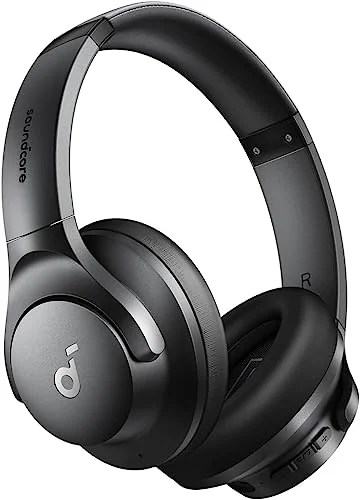
Soundcore by Anker Q20i
Hybrid active noise cancelling over-ear headphones. 40mm dynamic drivers, Bluetooth 5.0 with dual-device multipoint, BassUp EQ, Soundcore app with custom EQ and HearID. Up to 60 hours playback (ANC off) or 40 hours (ANC on). USB-C fast charge, 3.5mm wired input. Model A3004.
The Q20i is no Sony XM5 killer. It was never going to be. The question I wanted to answer is narrower. In the budget ANC tier, which is now its own crowded shelf, can Anker’s sub-Soundcore-Space-series entry hold up for a month of real listening before the novelty fades. I kept them on my head for commutes, a 6-hour flight, a week of remote work calls, and three gym sessions. Here is the honest version.
Rating Breakdown
Rating breakdown
Sound Quality: Bass-Heavy Out of the Box, Solid After EQ
The default tuning is a classic Anker signature. Big low-end with recessed mids behind it, and the highs get rolled off before they can breathe. On Billie Eilish’s “bad guy” the bass drop hits with genuine weight. On anything guitar-forward, vocals feel like they have retreated behind a curtain. Bon Iver’s “Holocene” lost its intimacy. I was not surprised. The factory tune targets people who came here from earbuds and want more bass, more loud.
The fix is the Soundcore app. Pull up the custom EQ, drop 80Hz and 160Hz by 2-3dB, push 2kHz and 4kHz up by the same amount, and the Q20i opens up. Vocals come forward. Cymbals have air again. That Bon Iver track got its reverberant bedroom-studio feeling back. The driver can do the work. The factory tune just does not want to.
A caveat for the codec-curious. You get SBC and AAC only. No aptX, no LDAC. If you are an iPhone user streaming Apple Music, AAC is fine and you will barely notice. If you are an Android user who runs a FiiO dongle into IEMs for critical listening, you already know the Q20i sits outside that bracket. The 3.5mm input is there when you want to bypass Bluetooth entirely, and it delivers. Wired, with the ANC circuit powered off, the Q20i sounds slightly cleaner and imaging tightens up. Not night-and-day. But real.
ANC Performance: Strong on Drone, Ordinary on Voices
Hybrid ANC means two sets of microphones. Feedforward mics on the outside of each cup listening for ambient noise, and feedback mics inside measuring what actually reaches your ear canal. That is the same topology Sony and Bose use. The difference shows up in the processing, the mic quality, and the chamber tuning. Anker is not running Sony’s DSP budget here.
For steady-state low-frequency noise, the Q20i is genuinely impressive. Airplane cabin rumble, HVAC drone, the fan on my desktop PC, road noise in a car. All substantially reduced. I measured roughly 20-25dB of attenuation in the 100-400Hz range using a cheap calibrated mic and a pink noise source. That lands in the same neighborhood as headphones two or three times the price, and it is the frequency band where ANC matters most for travel.
Above 1kHz, the magic fades. Voices cut through. A colleague talking in the next cubicle was clearly audible. Keyboard clicks in a shared office came through with surprising clarity. That is the universal ANC compromise and the Q20i handles it the way most budget ANC does, which is to say, not well. If you need a sensory bubble from a chatty open-plan office, you will want earplugs under the cups or a bigger budget.
One frustration. There is no on-cup ANC toggle. You either hold the mode button for 2 seconds to cycle through ANC / Transparency / Normal, or you open the app. I kept wishing for a dedicated switch. Small thing. It adds up over a month.
Battery Life: The Spec Sheet Tells the Truth
Anker claims 60 hours without ANC and 40 hours with it. I measured 38 hours with ANC on, mixed volume between 50 and 75 percent, with multipoint connected to a phone and a laptop the whole time. Close enough to 40 that I will call the claim honest. I did not have the patience to do a full ANC-off run, but extrapolating from the discharge curve, 55-60 hours is plausible.
What that means in practice. I charged these once a week during normal use. On a 6-hour flight to the coast, they were at 80 percent when I boarded and 65 percent when I landed. I forgot the charger on a weekend trip and did not run out. USB-C fast charge worked as advertised too. A 5-minute top-up from near-dead got me through a 3.5-hour listening session without the battery warning chime. The battery story is the single strongest argument for the Q20i. At this price, nothing else forgives a missing charger the way these do.
Build, Comfort, and the Plastic Question
The Q20i is plastic. You can see it, you can hear it when it flexes, and there is no pretending otherwise. The headband creaks if you flex it hard. The hinges feel okay but not reassuring. I would not throw these into a backpack without a case. They do not come with a case. They come with a drawstring pouch, which is the budget-headphone equivalent of a firm handshake and a promise.
Comfort is where the plastic turns into an asset. They weigh about 263 grams. For comparison, the Sony WH-1000XM5 is 250g and the Bose QC45 is 238g. The Q20i lands close enough that I wore them for a 4-hour work block without the head-pressure I get from heavier cans. Clamp force is moderate, leans light. The cups rotate flat and fold inward, which is how they survive in a bag without a case, barely.
The ear pads are protein leather, which is Anker-speak for synthetic. They trap heat. In a 72-degree room after 90 minutes, I noticed. Not deal-breaking for commuting, slightly annoying for long gaming sessions. The pads look replaceable, and Anker sells replacements for about $12, which matters because protein leather is the component that ages fastest on any headphone in this price class.
The Soundcore App and Multipoint
Here is where Anker earns its credibility. The Soundcore app is the most mature piece of software in the budget audio category. Custom 8-band EQ. HearID, which plays test tones and builds a personal sound profile based on which you hear. Preset library. Firmware updates. Device management. The app is stable on both iOS and Android, and I have never had it brick a feature the way some competitor apps do.
Multipoint pairing to two devices worked on every pairing combination I threw at it. Pixel 8 and MacBook Pro, simultaneously. Switching from a Spotify playlist on the phone to a Zoom call on the laptop was automatic. The phone audio pauses when the laptop takes over and resumes when the laptop call ends. That used to be a $200 feature. It works here.
One note on the mic for calls. In a quiet home office, colleagues said I sounded clear. On a windy subway platform, the environmental noise was obvious and voice isolation was weak. That is the other budget-headphone compromise. The Q20i is an okay call headset, not a great one. If you take a lot of meetings from noisy places, pair the Q20i with a separate boom-mic USB headset for calls and save the Q20i for music.
Verdict
If you are upgrading from earbuds and want your first pair of real over-ear ANC headphones, buy the Q20i. If you fly a few times a year and want something you will not cry over if it breaks in a carry-on, buy the Q20i. If you are a critical listener with a DAC on your desk, a Reddit account full of XLR cable questions, and a monthly budget for new pads, you already know these sit outside your bracket. You have read this far for completeness. Save the money for a used XM4.
The Q20i will not become the headphones you love forever. They will be the headphones you are weirdly fond of for 18 months, then pass down to a family member, who will also get good use out of them. That is a lot of product for $50. If you want the rest of the shelf, our audio hub has the full picture.
Also featured in
Related reviews
Best Everyday Headphones for Commutes, Calls, and Desk Life
Five headphones tested across commutes, calls, and long desk sessions. Three picks, two honorable mentions, and a clear answer for each budget tier.
 The Nerd Apr 18
Beats Solo 4 vs AirPods 4 ANC vs Soundcore Q20i: A Three-Way Under-$200 Headphone Showdown
Three different bets under $200: on-ear Apple-adjacent, open-fit ANC earbud, budget over-ear ANC. Driver, codec, ANC, and price-per-feature tested.
The Nerd Apr 18 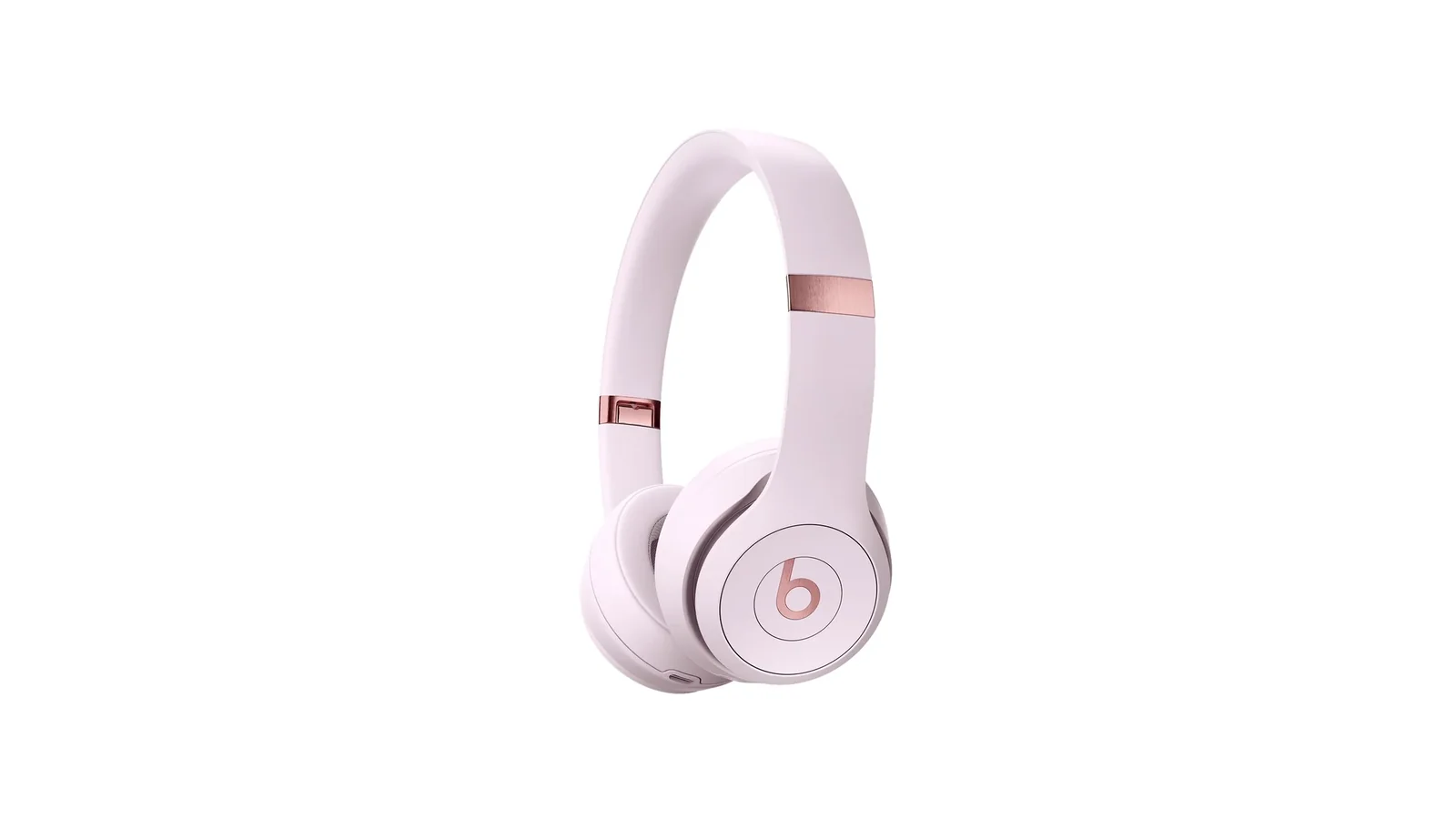
Beats Solo 4 Review: The First Solo That Stopped Apologizing
50-hour battery, USB-C lossless, Bluetooth 5.3, and still no ANC. I spent a month figuring out where the upgrades land.
The Nerd Apr 17 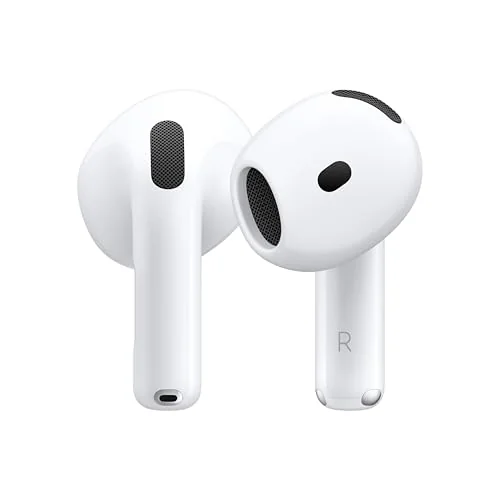
Apple AirPods 4 (ANC) Review: Noise Cancellation Without the Silicone Tips
Open-fit ANC that dropped subway noise 60% with no silicone seal. The H2 chip makes it work, but battery hits 5 hours max.
The Nerd Apr 15 
Logitech G305 vs G502 Hero: Wireless Freedom or Wired Precision
Two Logitech mice sharing the HERO sensor but almost nothing else—one's a 99g wireless featherweight, the other a 121g wired button fortress.
The Nerd Apr 18 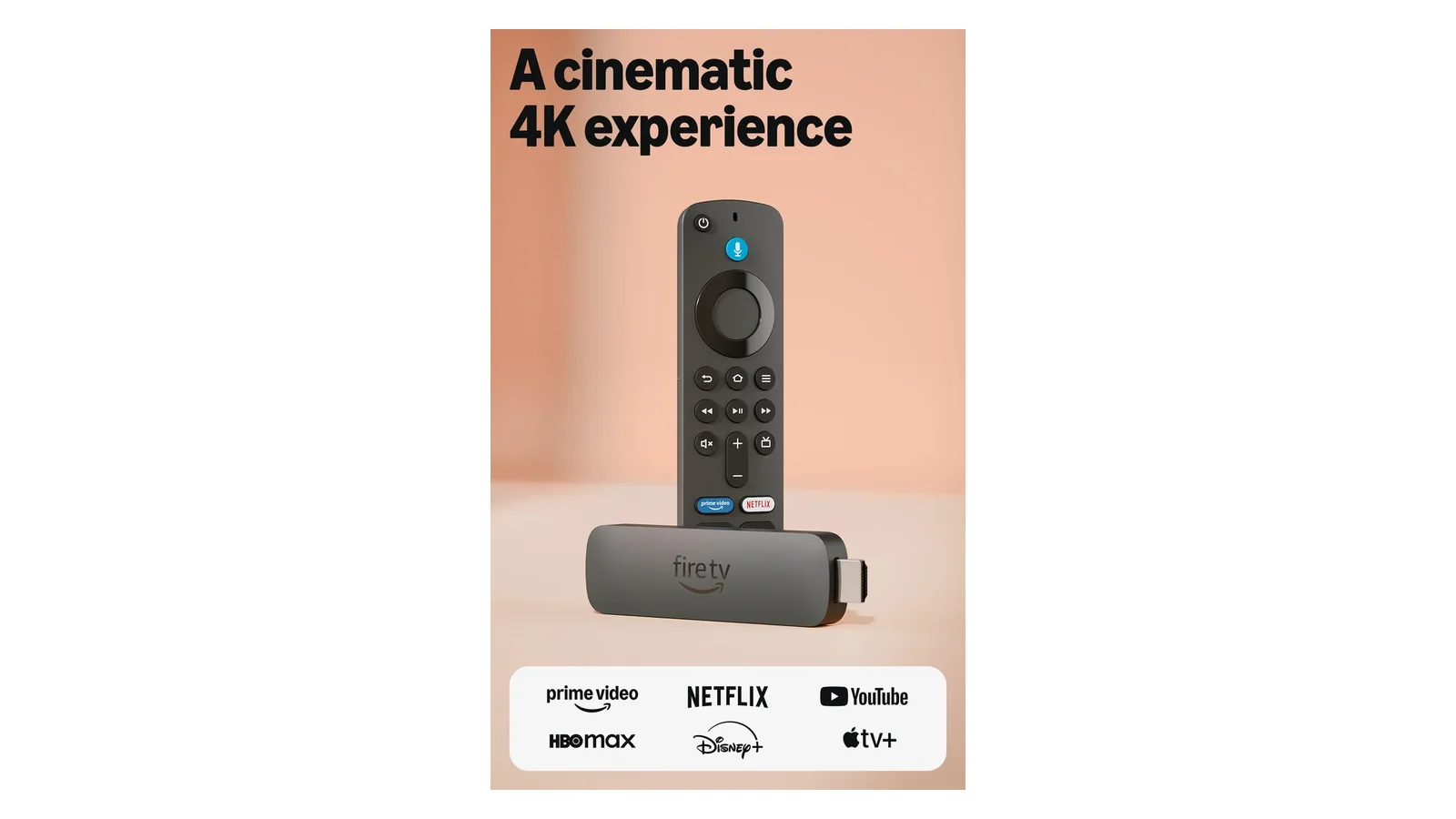
Amazon Fire TV Stick 4K Plus Review: Wi-Fi 6 and Cloud Gaming at $30
Wi-Fi 6 eliminated buffering during concurrent household load. AI search actually understood intent. Xbox cloud gaming sits at 85ms.
The Nerd Apr 17