In this review
The first time I sat on a New York subway car wearing AirPods 4 with ANC turned on, I could hear almost nothing. The A train at full speed is somewhere between a jet engine and a metal cafeteria tray falling down stairs, and the rumble had flattened into a distant pressure against the back of my skull. On an open-fit earbud. No silicone tip. Nothing wedged into my ear canal. That is the part that still doesn’t entirely make sense to me, and it’s the part worth writing about.
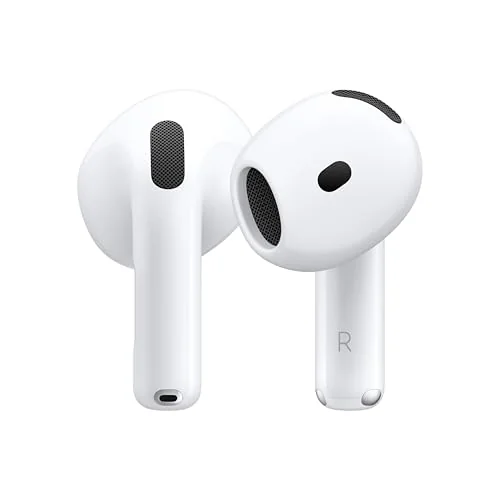
Apple AirPods 4 with Active Noise Cancellation
Open-fit wireless earbuds with Apple’s H2 chip, Active Noise Cancellation, Personalized Spatial Audio with head tracking, Voice Isolation, Conversation Awareness, IP54 rating, USB-C and wireless charging case with Find My speaker, and roughly 5 hours of listening per charge (up to 30 with the case).
Rating Breakdown
Rating breakdown
How the ANC Actually Works Without a Seal
Active Noise Cancellation works by sampling ambient sound with outward-facing microphones, generating an inverted waveform, and mixing it into what you hear. The easier version of that problem is when a silicone tip has already sealed your ear canal and killed most of the noise passively. The H2 chip only has to fight the frequencies that leak through the seal.
AirPods 4 don’t have a seal. The ANC system is doing all the work alone.
So it can’t match AirPods Pro 2. Nothing open-fit can. On my phone’s sound meter, sustained subway rumble at about 78 dB dropped to something closer to 60 dB with ANC on. That is roughly a 60% reduction in perceived loudness, which is where the math on decibels gets weird and trust-your-ears is more honest than spec-sheet claims. Voices cut through more than they do on the Pros. So do forks on plates at restaurants. High-frequency chatter is the thing ANC struggles with in general, and an open fit amplifies that weakness.
But the trade is comfort, and after four hours on a flight I understood the trade. My ears weren’t sore. Nothing was plugged. I wasn’t reaching up every twenty minutes to reseat a tip. And the low-end cancellation, the engine drone that actually causes fatigue on long flights, was quietly gone. If you’ve ever taken a pair of Pros off mid-flight because your ear canal needed air, this version of the product is engineered specifically for you.
Sound Signature and the H2 Chip
Apple tunes for a sound profile that flatters modern pop and podcasts. There’s a slight mid-bass lift. Vocals sit forward in the mix. The treble rolls off before anything gets fatiguing. Personalized Spatial Audio, the feature where you scan your ears with your iPhone’s front camera, does something subtle and real. Dolby Atmos tracks on Apple Music get a more convincing sense of space. It’s not a mind-blowing effect on most music, but it’s noticeable on movies and well-mixed live recordings.
The H2 chip is the same silicon that powers AirPods Pro 2. Adaptive EQ corrects the frequency response based on how the earbuds are sitting in your ears in real time. Since the fit shifts every time you talk or move your jaw, that correction is doing continuous work. When I swapped mid-song to AirPods 3 (same open shape, no H2), the difference was a thinner mix that felt less cohesive. Small gap, but audible.
Where the open fit costs you is bass. Physics. Without a seal there is no chamber to pressurize, so sub-bass below about 60 Hz quietly disappears. Hip-hop and electronic music lose the kick that headphone listeners expect. If your library is heavy on those genres, get the Pros.
Calls, Which Is Where They Actually Win
Voice Isolation uses the H2 chip to run a machine-learning model that separates your voice from background noise. I tested it from the windiest corner I know, walking down a street in a storm, phone-calling my partner. She said it sounded like I was in a quiet room. Wind was audible as a soft low rumble, the way it would sound through a closed window.
For remote work, this is the quiet headline of the review. Bluetooth call quality across any earbud has historically been terrible, and AirPods 4 are the first pair I’ve used where I don’t apologize for using them on calls. That matters more in daily life than how good a particular track sounds.
Battery Life, Which Is Where They Don’t
Five hours per charge with ANC on. Apple’s number. My number, testing at around 60% volume, was between four and a half and five. The case adds roughly five full recharges. Five minutes in the case gets you about an hour of playback back, which is genuinely useful when the battery dies on the walk to the subway.
But the competition is winning this fight. Samsung Galaxy Buds 3 Pro push around six hours with ANC. Sony WF-1000XM5 hit eight. For a product that assumes you’ll charge it multiple times a day because it’s always in your pocket, five is the floor. On a cross-country flight, you will either turn ANC off for stretches or accept a recharge stop in the case. Apple’s bet is that the case is always with you and always charged. For most people most of the time, that bet holds.
Living Inside the Apple Product Lineup
If you own an iPhone, an iPad, a Mac, an Apple Watch, and an Apple TV, AirPods 4 work better than any third-party earbud on the market. Not because of spec parity. Because of switching. I moved from a YouTube video on my laptop to answering a FaceTime call on my phone to watching something on the Apple TV, and the earbuds followed without a single manual pairing. Automatic device switching on Android and Windows is a science experiment. Here it’s a utility.
Find My got an upgrade I didn’t know I needed. The USB-C case has a small speaker that chirps when you ping it from the Find My app. I left the case at a friend’s apartment once, realized it two hours later, and was able to hear exactly which couch cushion had eaten it.
The Physical Design, Quietly
IP54 covers the earbuds and the case. That covers dust and splashes of water. You cannot swim in them. I wore them through a 40-minute rainstorm and through several sweaty workouts with no issues. The stem is shorter than previous generations. Touch controls use a pinch to play or pause and a pinch-and-hold for ANC toggle, which works more reliably than the old tap system that used to misfire whenever you adjusted fit.
The Hearing Aid and Hearing Test features that shipped with iOS 18.1 matter here. The H2 chip can run a clinical-grade hearing test in your ear, and if you have mild-to-moderate hearing loss, AirPods 4 can function as over-the-counter hearing aids. Audiologists I’ve talked to take this seriously, and the feature alone makes this a weirdly important product.
Verdict
Buy these if you own an iPhone, found AirPods Pro uncomfortable after an hour, and spend your day alternating between meetings and casual listening. Skip them if bass response is central to your music. Skip them if you need eight-plus hours of battery for long travel days. Skip them if you’re on Android, where you lose half the value proposition. The real competition here is AirPods Pro 2, which cost a bit more and trade comfort for deeper silence and more battery. Pick the one that matches how your ears actually feel after two hours.
For more wireless earbuds and over-ear options we’ve tested, browse our full headphones category.
Also featured in
Related reviews
Best Everyday Headphones for Commutes, Calls, and Desk Life
Five headphones tested across commutes, calls, and long desk sessions. Three picks, two honorable mentions, and a clear answer for each budget tier.
 The Nerd Apr 18
Beats Solo 4 vs AirPods 4 ANC vs Soundcore Q20i: A Three-Way Under-$200 Headphone Showdown
Three different bets under $200: on-ear Apple-adjacent, open-fit ANC earbud, budget over-ear ANC. Driver, codec, ANC, and price-per-feature tested.
The Nerd Apr 18 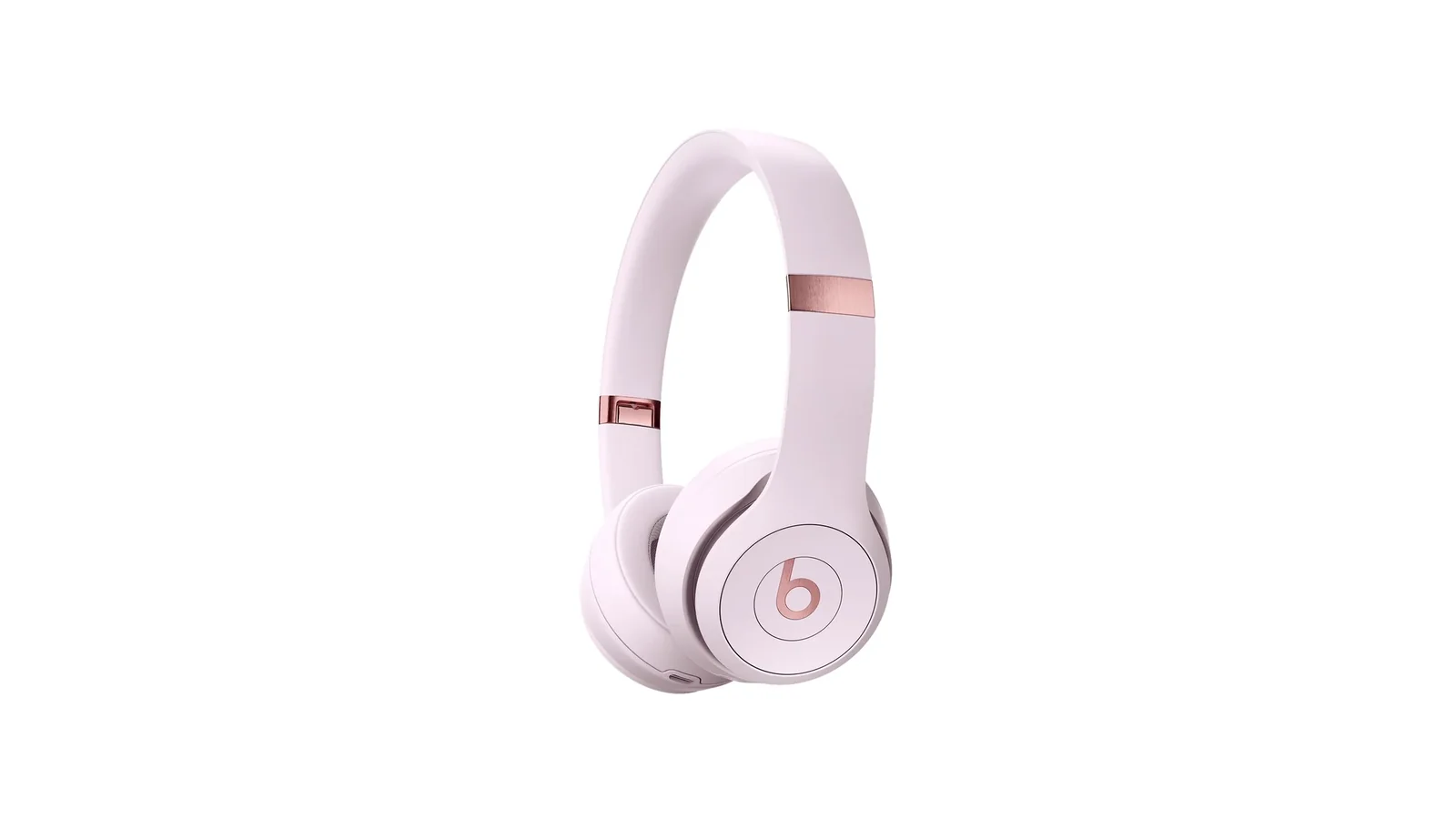
Beats Solo 4 Review: The First Solo That Stopped Apologizing
50-hour battery, USB-C lossless, Bluetooth 5.3, and still no ANC. I spent a month figuring out where the upgrades land.
The Nerd Apr 17 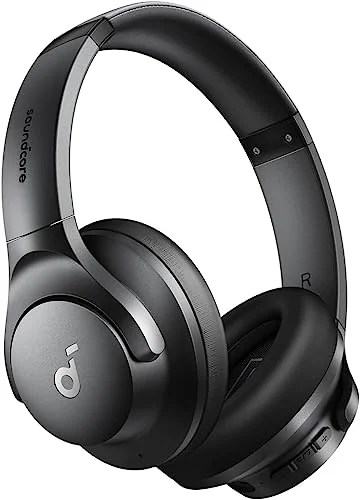
Soundcore Q20i Review: Budget ANC Headphones That Get the Physics Right
Hybrid mics, 40mm drivers, and a Soundcore app that earns its install. A month of commutes, flights, and gym sessions with the Q20i.
The Nerd Apr 15 
Logitech G305 vs G502 Hero: Wireless Freedom or Wired Precision
Two Logitech mice sharing the HERO sensor but almost nothing else—one's a 99g wireless featherweight, the other a 121g wired button fortress.
The Nerd Apr 18 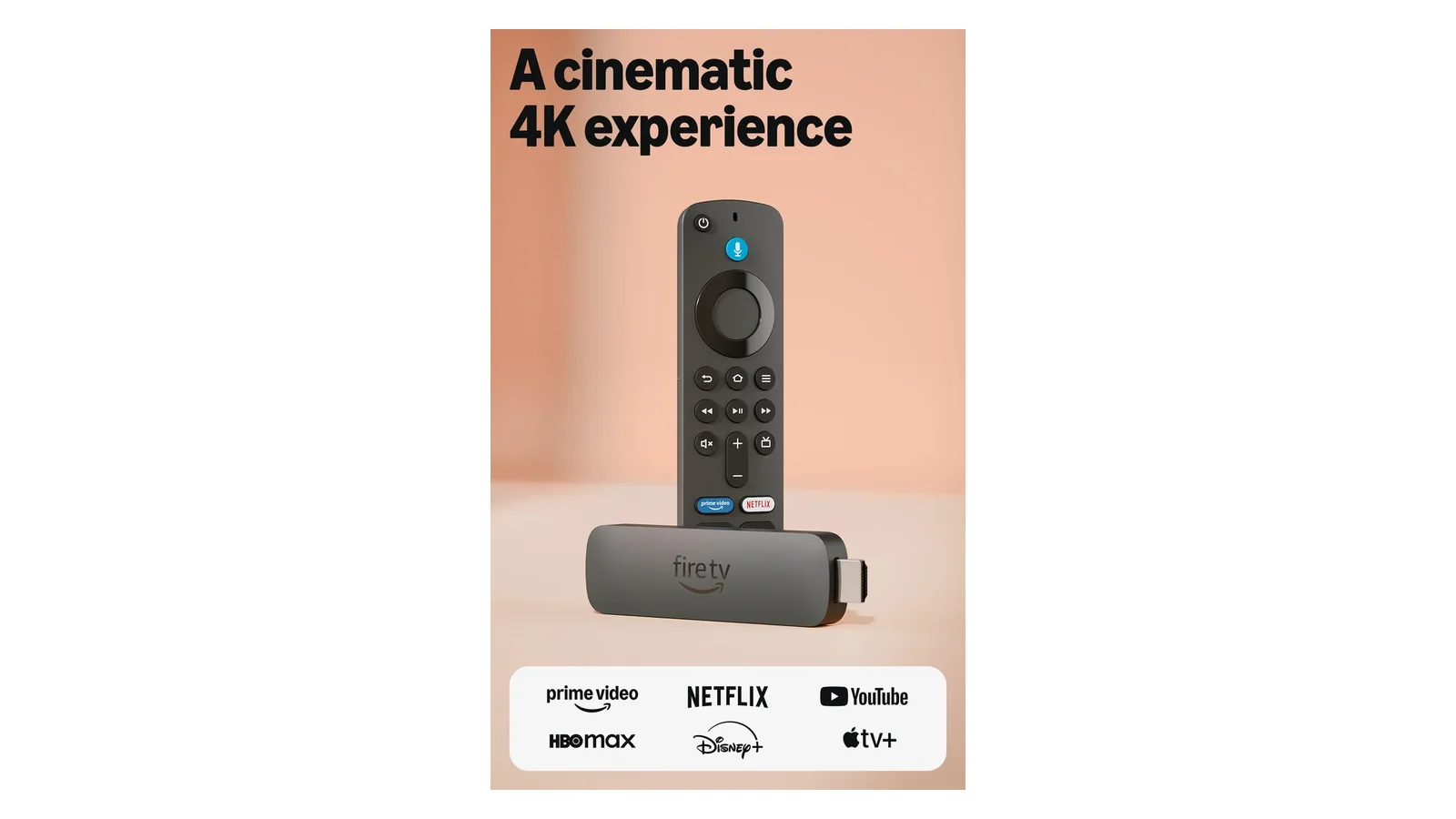
Amazon Fire TV Stick 4K Plus Review: Wi-Fi 6 and Cloud Gaming at $30
Wi-Fi 6 eliminated buffering during concurrent household load. AI search actually understood intent. Xbox cloud gaming sits at 85ms.
The Nerd Apr 17