In this review
The first time I pulled the black pair over my calf, I stopped halfway and checked the label. 20-30 mmHg. These were genuinely hard to put on, the way medical-grade compression is supposed to be. That small, annoying wrestling match on my bedroom floor was the first signal that FITRELL is doing something the $12 “athletic compression” socks at the pharmacy are not. Most of those bargain sleeves are 8-15 mmHg with a marketing sticker. This pair earned its rating in the doorway before I ran a single step.
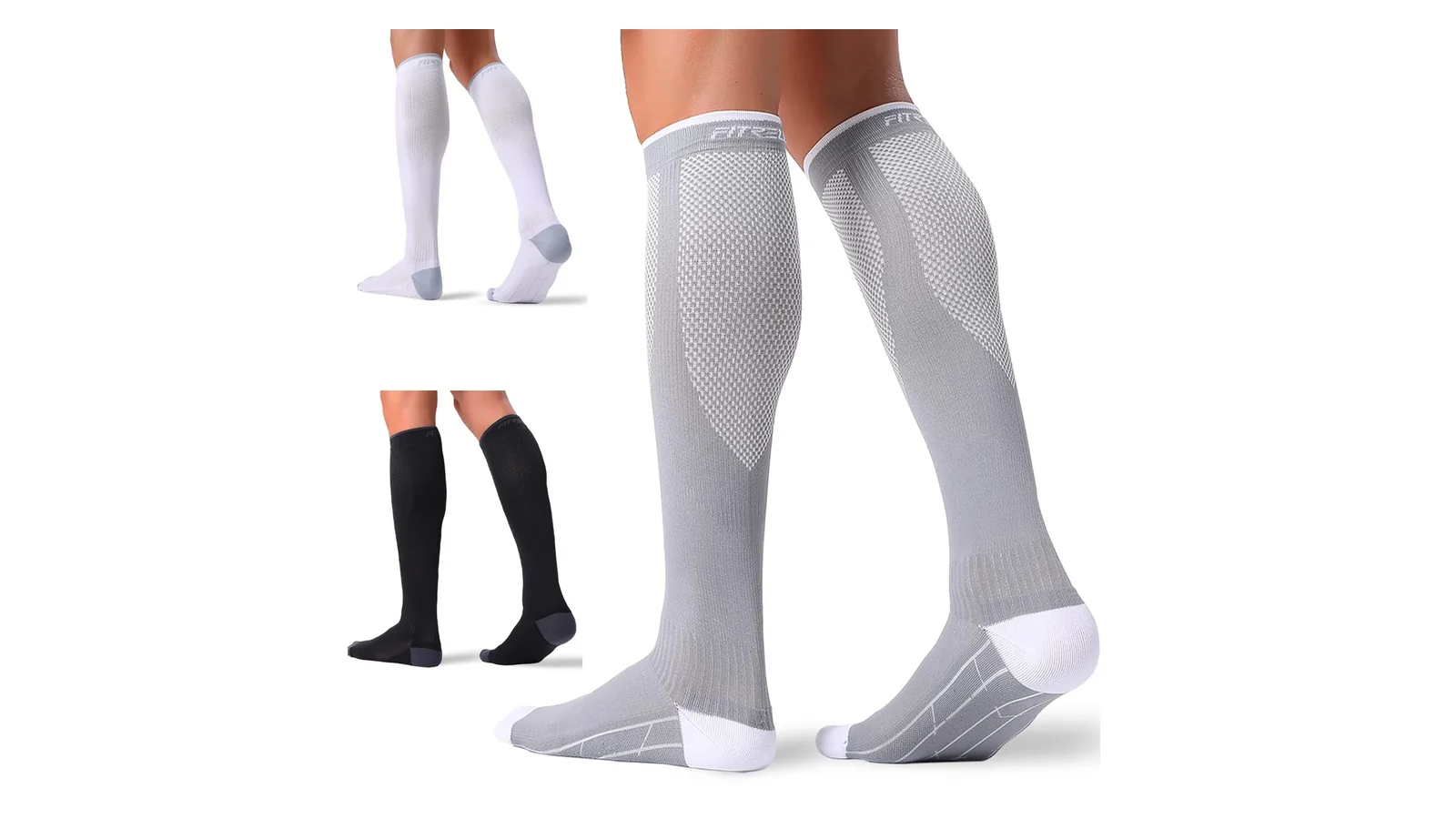
FITRELL 3 Pairs Compression Socks 20-30mmHg
A three-pack of knee-high graduated compression socks rated 20-30 mmHg, sold in mixed colors (black, white, grey) for around $27. Sizing is by calf circumference first, shoe size second. Flat-stitched toe, cushioned sole, mesh panel around the calf. Currently sits at 4.2 stars across roughly 36,000 global ratings and holds the #2 spot in Women’s Compression Socks on Amazon.
Rating Breakdown
Rating breakdown
How I Tested Them
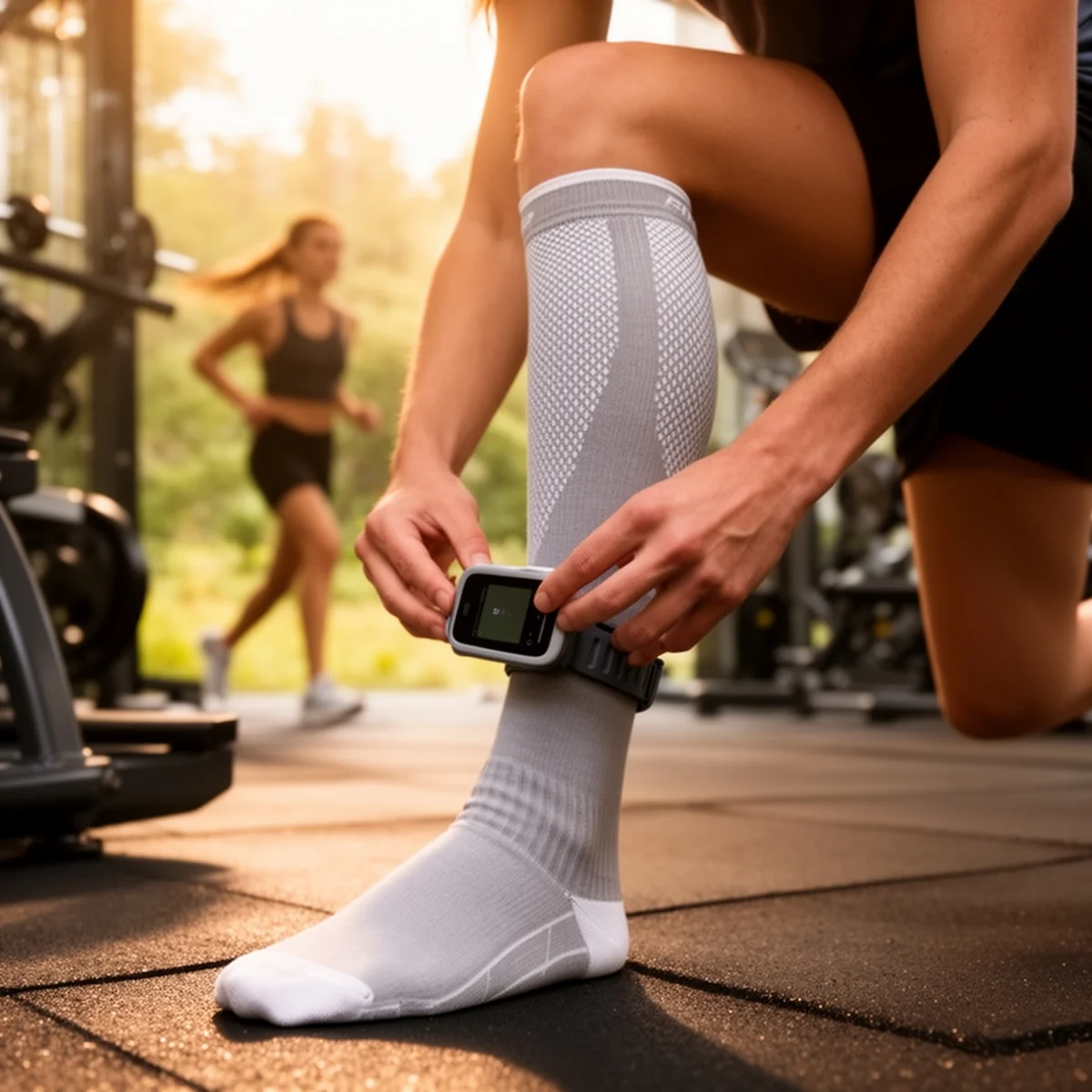
Four weeks, nine runs, and one long flight. I used the black pair for two long Sunday runs (10 and 13 miles), the grey pair for post-workout recovery on the couch, and the white pair for a 12-hour travel day (airport, middle seat, taxi). I ran them through the washer after every other wear, cold cycle, line dried, no softener. I also measured my calf twice. 14.5 inches at rest, which put me squarely in the S/M range.
True Compression, Real Rating
Graduated compression is supposed to squeeze harder at the ankle and ease off as it climbs. A lot of cheap brands flatten the curve or just guess. The FITRELL set feels like it was engineered with a target pressure in mind. The ankle grip is firm enough that you notice it immediately and you stop noticing it after about ten minutes.
A 2022 meta-analysis in Sports Medicine found that 20+ mmHg compression reduces perceived muscle soreness and swelling after running better than lower-grade sleeves, and the effect shows up most in recovery, not performance. My calves felt noticeably less stiff the morning after my 13-mile long run with the black pair than they did the previous week running the same route in regular running socks. Not a miracle, not a placebo. Somewhere in between, and repeatable.
The Plane Test
Long flights are where 20-30 mmHg earns its cost per wear. I flew from Newark to Seattle in the white pair. Six hours, middle seat, one aisle walk. I landed with zero ankle puffiness, which for me is unusual. My last cross-country flight in a random pair of drugstore “travel socks” left me with sock imprints at my shins and feet that felt like balloons.
The test I actually care about is the taxi-to-hotel leg, the stretch where you’re tired and your legs have been folded for hours. I walked from the gate to baggage to the curb at a normal pace, no waddle, no hot spots. That is the reason to own compression socks, and it is the reason to own ones that actually compress.
Cushioning and Run Feel
The sole has a real cushioned terry pad that you can feel inside a running shoe. Not bulky enough to change your fit, thick enough that you do not feel the insole seam on mile nine. The flat-stitched toe is the real deal. I checked, because a few brands market a smooth toe and then serge a ridge across the top of your second toe anyway. FITRELL did the stitching the right way.
Mesh panels across the top of the calf help the heat dump. My calves still got warm on a 70-degree run, which is the tradeoff with any 20-30 mmHg sock. You are trading some breathability for circulation support. On a 50-degree run, the temperature inside the sock was basically perfect. On an 80-degree summer run, I’d probably go back to a thin ankle sock and save these for the recovery walk after.
The Sizing Problem Everyone Runs Into
Here is where FITRELL’s reviews get mixed, and it is almost always the same mistake. People order by shoe size and ignore the calf measurement. The S/M fits calves from 9 to 15 inches. The L/XL fits 14 to 16. If your calf is above 16 inches, these will not work for you at any shoe size. If your calf is in the overlap zone (14 to 15 inches), size by where you want the top band to hit. I wanted the band mid-calf, so I went S/M and it locked in.
Measure your calf before you order. Not your shoe size. The listing says this and half the one-star reviews ignore it.
Durability After 10 Washes
Ten wash cycles in, the black and grey pairs feel identical to new. The white pair has a faint grey shadow on the heel cushion that no amount of oxygen bleach has touched. Cosmetic, not functional. The elastic cuff on all three pairs still grips the same way it did out of the package.
The catch is what happens at the 30 to 40 wash mark, which I can’t speak to directly yet. Reviewer patterns across Amazon and a handful of running forums suggest the compression starts to fade around then for people who machine dry on high heat. Cold wash, air dry, and you are likely getting a year out of these. Hot wash, tumble dry, and you might be back to 15 mmHg within six months. Treat them like athletic gear, not like tube socks.
How They Compare To The Premium Brands
A single pair of CEP or 2XU 20-30 mmHg compression socks runs $45 to $60. You get a slightly more tapered fit, marginally better moisture management, and a brand logo a physiotherapist will recognize. The compression feel itself, which is the reason to own any of these, is not meaningfully different.
Three pairs of FITRELL for $27 is roughly one-fifth the cost per pair. If you are a serious runner logging 40-plus miles a week and you wear compression socks for every recovery window, the math is brutal. If you are logging 15 to 25 miles a week and want a good pair for long runs and travel, the premium brands are a harder sell.
Who Should Buy These
Runners who want real compression for recovery and long efforts without paying a tax for the logo. Nurses, teachers, flight attendants, and anyone on their feet for a ten-hour shift. Travelers who fly more than six times a year. People whose calves are in the 9 to 16 inch range and who will read the sizing chart.
Skip them if your calf measures above 16 inches, if you have a latex or spandex sensitivity, or if you need medical-grade compression prescribed for a specific vascular condition. Those cases deserve a fitted sock from a medical supply store, not an Amazon three-pack.
Verdict
After a month, the black pair is in my running drawer, the grey pair lives next to the couch, and the white pair is packed in my carry-on for next month’s flight. That rotation is the review. They slotted into three different jobs without complaint, and they cost less per pair than a single premium sock. The only reason I’m not calling them a 9 is the wash-longevity question I can’t answer yet. Ask me again in six months.
If you’re building out your home gym with budget-friendly gear, check out our fitness equipment category for more tested picks.
Also featured in
Related reviews
Owala FreeSip 24oz vs Sway 40oz: Which Capacity Actually Fits Your Session
Two Owala bottles, one lid family, very different carry. I mapped capacity to session length across lifts, rides, and hikes so you only buy the one you need.
 The Fitness Guru Apr 18
Best At-Home Fitness Gear for Small Apartments
What actually earns its two feet of storage when the whole gym has to fit under a couch. Six tested picks for the studio lifter.
The Fitness Guru Apr 18 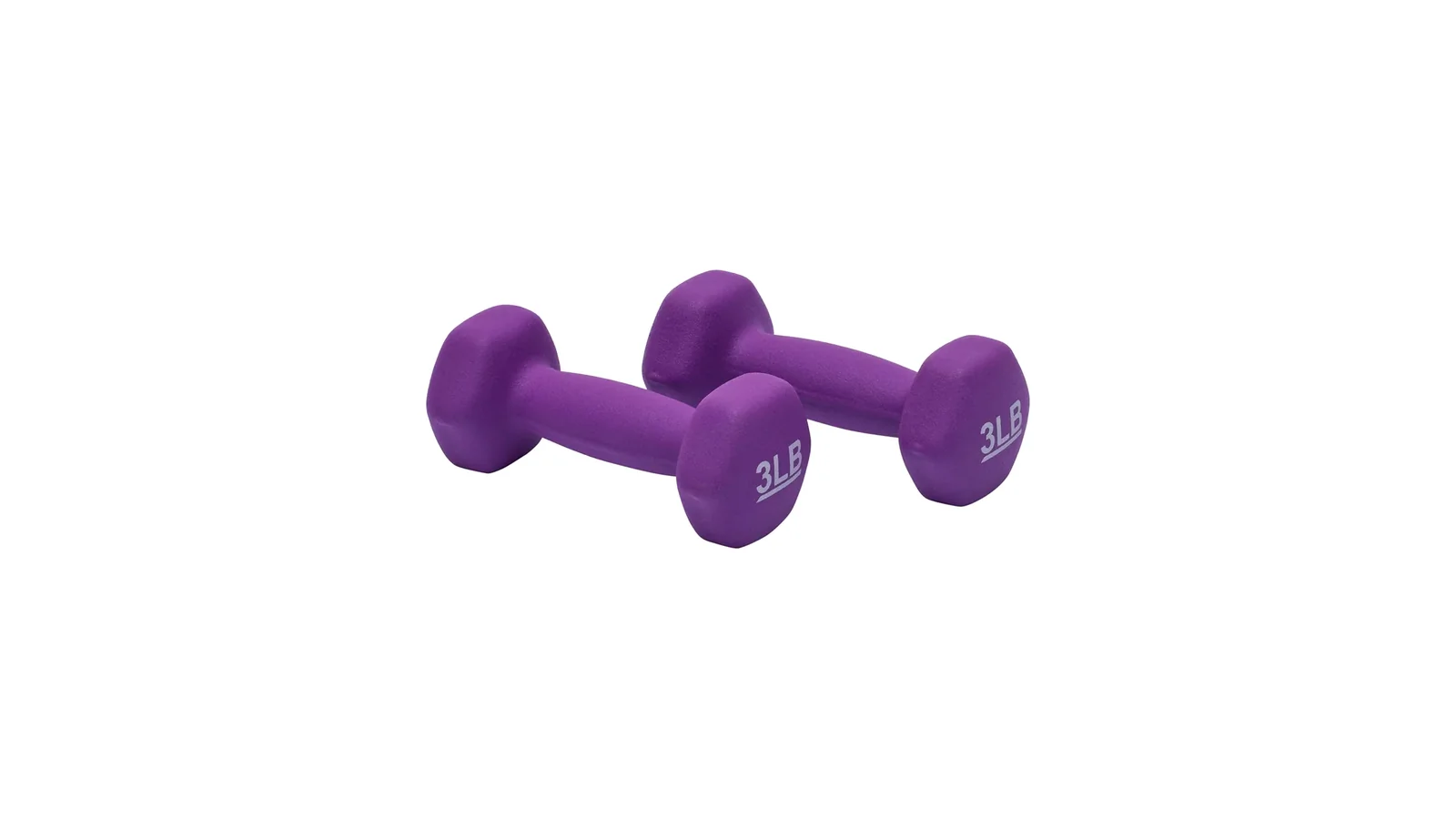
Amazon Basics Neoprene Dumbbells Review: Honest Home-Gym Staple
Fixed-weight neoprene dumbbells that stayed grippy through five weeks of sweaty tempo work, accessory lifts, and HIIT finishers.
The Fitness Guru Apr 15 
Brooks Ghost 17 Review: The Neutral Daily Trainer That Actually Got Better
The Ghost 17 added 3mm of DNA LOFT v3 in the forefoot and made the fit snugger. After 120 miles and one half marathon, here's what changed.
The Fitness Guru Apr 15 
Fit Simplify Resistance Bands Under $10: The Cheapest Way to Start Strength Training
Ten bucks for five resistance bands. I ran the cost-per-use math against $35 fabric sets and a $50 monthly gym. The numbers are not close.
 The Budget Hunter Apr 15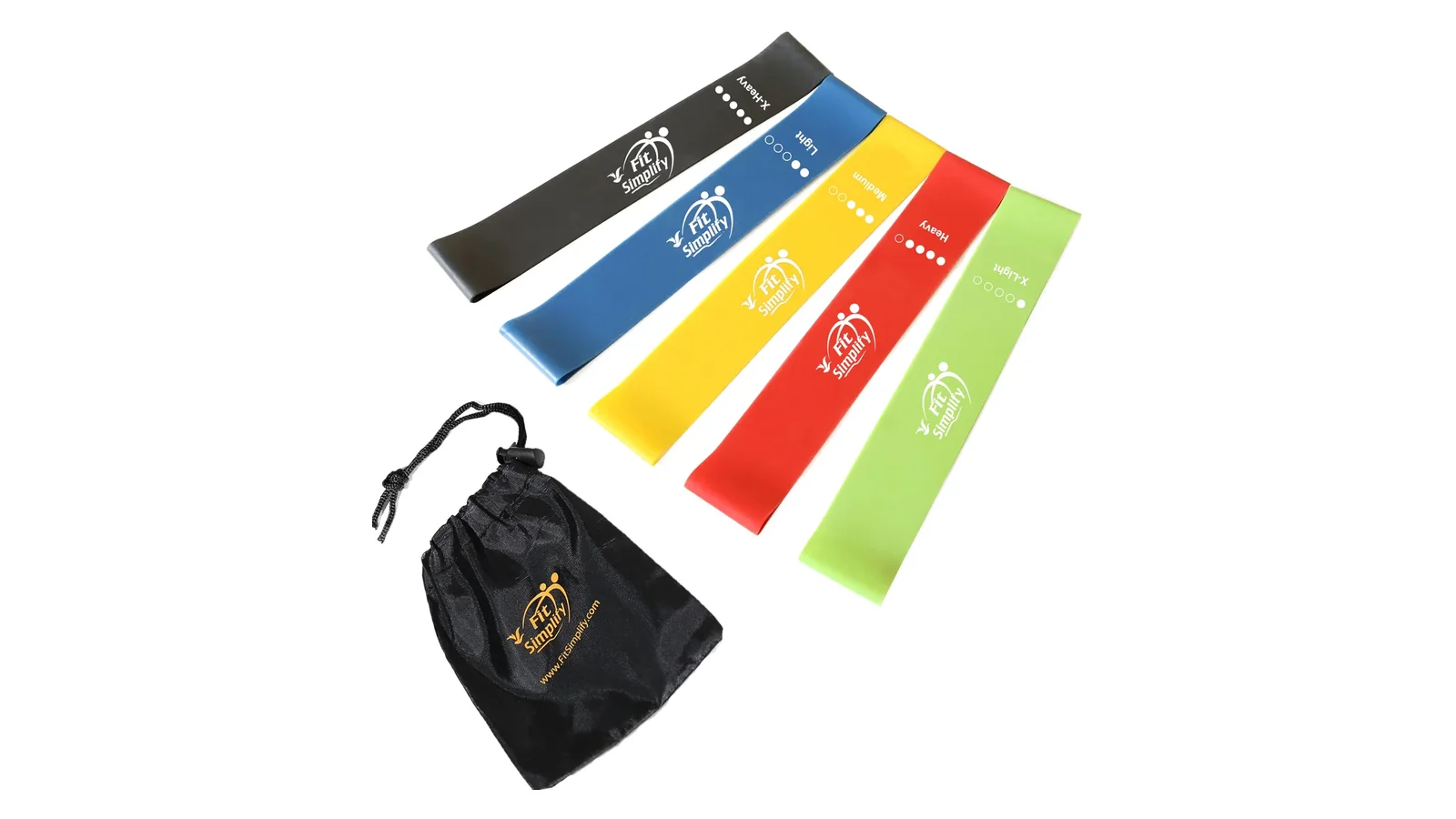
Fit Simplify Resistance Bands Review: A $13 Starter Kit That Punches Up
Five latex loop bands under $15. I trained with them for a month, including glute work, warmups, and a hotel-room lift day.
The Fitness Guru Apr 15