In this review
Two Owala bottles. Same FreeSip lid with the straw-or-swig trick. Same leak-proof reputation. One is 24 ounces and fits in a jersey pocket vibe. The other is 40 ounces and covers you from warm-up to the drive home. The question I kept getting asked at the rack was whether the bigger one is worth the weight. So I ran them both through a full training week and did the math.
Quick Verdict
If most of your sessions run under 75 minutes and you refill at home or at the gym fountain, the 24 oz is the one. Lighter carry, easier to wash, lower price. The Sway 40 oz earns its keep when your session is 90 minutes or longer, or when you do not want to plan a refill. Match capacity to session length and you stop overthinking this.
Owala FreeSip Insulated Stainless Steel Water Bottle, 24 oz, Black Cherry
Double-wall insulated stainless steel at 24 ounces. FreeSip lid pairs a built-in straw with a wide swig spout, so you pick the drink mode per sip. Push-button open, carry loop that doubles as a lock, base sized for standard cup holders. Around 27 dollars on Amazon.
Owala FreeSip Sway Insulated Stainless Steel Water Bottle, 40 oz, Dreamy Field
Forty-ounce version with the same FreeSip lid, a tapered base that still clears most car cup holders, and a hinged bucket handle that locks the push button shut. Hand wash the cup, dishwasher safe on the lid. Around 35 dollars on Amazon.
Hydration Math by Session Type
Sports scientists peg sweat loss at roughly 0.5 to 1.0 liter per hour for moderate training in a cool room, and up to 1.5 liters per hour for hard efforts in warm conditions. A 24 oz bottle is 710 ml. A 40 oz bottle is 1,180 ml. So if you are mid-intensity in a climate-controlled gym, 24 oz covers about 60 to 90 minutes of loss. Push that same session outdoors in summer and 24 oz disappears inside an hour.
Translate that to real sessions. A 45-minute strength block in a 70 degree room, I sweat out maybe 400 to 500 ml. Easy 24 oz day, with a swig left in the bottom when I walk to the car. A 60-minute HIIT session gets me to the edge of the 24 oz tank, and I usually want another pull during cool-down. A 90-minute long ride in 75 degree weather clears 40 oz cleanly, and I have ended more than one gravel ride empty with miles to go. That is the case for the Sway.
Specs Side by Side
| Feature | FreeSip 24 oz | FreeSip Sway 40 oz |
|---|---|---|
| Capacity | 24 oz / 710 ml | 40 oz / 1,180 ml |
| Empty weight | About 0.9 lb | About 1.4 lb |
| Full weight | Roughly 2.5 lb | Roughly 3.9 lb |
| Height | Around 9.6 in | Around 11.5 in |
| Cold retention claim | 24 hours | 24 hours |
| My overnight ice test | Ice shards at 12 hrs | Ice shards at 12 hrs |
| Lid type | FreeSip push button + loop lock | FreeSip push button + bucket handle lock |
| Cup holder fit | Yes, standard | Yes, tapered base |
| Dishwasher | Lid only, cup hand wash | Lid only, cup hand wash |
| Street price | About $27 | About $35 |
The weight delta is the number most people skip. Full, the Sway is roughly 1.4 pounds heavier than the 24 oz. On a drive-to-the-gym carry, that is nothing. In a 35-liter pack for a 4-hour hike, it shows up on your collarbone by hour two. Context matters.
The 24 oz: Where It Wins
The 24 oz is the bottle that disappears into a routine. It lives in the side pocket of my training duffel, fits my road bike cage, and rides in the car cup holder without drama. The straw handles the in-between-sets sip while I chalk up. The wide swig kicks in when I am walking to the rower and want water in fast. Over three weeks it became the bottle I grabbed on autopilot.
Leak testing was the same story as the full review. Inverted in the bag with the lock engaged, driven twenty minutes, zero escape. The lid never popped open under a bouncy gravel bike ride. For a sub-75-minute session in a cool gym, I never ran dry, and the cleanup at the end is three seconds in the sink plus a weekly trip through the dishwasher top rack for the lid.
The one weak spot is the small carry loop. Two fingers fit, barely. Not an issue from the lot to the squat rack. It is an issue if you think of this as a hiking bottle dangling from a pack strap. For that job, use a bottle cage or a side pocket and the loop stops mattering.
The Sway 40 oz: Where It Wins
The Sway is the bottle that solves a different problem. Ninety-minute sessions. Outdoor rides in July. The 2 to 4 hour day where you do not want to plan a refill. It carried me through a long back-day plus 45 minutes of conditioning without a drought, and it made the 75-mile drive home without a sip refill stop.
The bucket handle earns its keep twice over. Closed down over the push button, it adds a second lock on the lid, and I confirmed with three bag-shake tests that nothing gets out. Open, it hangs off a locker hook or a carabiner while I change shoes. The carry is genuinely comfortable, unlike the 24 oz loop.
The tapered base is the other structural win. I dropped the full Sway into a 2019 Civic cup holder, a Subaru Outback holder, and a handlebar cage. All three took it. My old Stanley Quencher had to ride the passenger seat on two of those. For anyone who drives to training, that alone is worth the bump in price.
Rating breakdown
When 24 oz Is Enough
Match the bottle to the session. Here is how the math landed for me across three weeks of testing:
- 30-minute mobility or easy lift: 24 oz is overkill and it still wins. You will drink half.
- 45 to 60-minute strength session in a cool gym: 24 oz, comfortably.
- 60-minute HIIT or spin class: 24 oz if you refill mid-class, Sway if you do not.
- Hot yoga, 75 minutes: 40 oz, no argument.
- Office desk hydration with a water fountain ten feet away: 24 oz.
- Commute day where you carry one bottle from 7 AM to 3 PM: 40 oz.
The 24 oz is also the easier bottle to carry if you already own a lumbar pack or a running vest with a standard pocket. The Sway does not ride well in either.
When You Need the 40 oz
- 90-minute long rides in summer heat.
- 4-hour hikes where you do not want to stop to refill at a trailhead spigot.
- Long travel days in a car, airport to hotel carry included.
- Training days stacked back to back with 15-minute breaks between sessions.
- Heavy sweaters who clear a liter an hour in a warm room.
The Sway is also the better pick if the last bottle you owned was a Stanley Quencher and you want the cup holder fit and the proper lock without giving up capacity.
Buy Call
If you drive to the gym, train four or five days a week, and refill between sessions, save the money and get the 24 oz. It is lighter, cheaper, and it washes faster. If you train outdoors in the heat, ride or hike for multiple hours, or you are the person who always ends up rationing the last inch of water, spend the 8 extra dollars for the Sway. Both use the same FreeSip lid, so drink-mode flexibility is the same either way.
Own one of them already and wondering if you need the other one. If you have the 24 oz and your longest session is under 75 minutes, no. If you have the Sway and most of your sessions are short desk or gym days, the 24 oz is a nice second carry for a bike cage or a short commute.
For more gear that has earned a spot in my training rotation, see our fitness equipment reviews.
Also featured in
Related reviews
Best At-Home Fitness Gear for Small Apartments
What actually earns its two feet of storage when the whole gym has to fit under a couch. Six tested picks for the studio lifter.
 The Fitness Guru Apr 18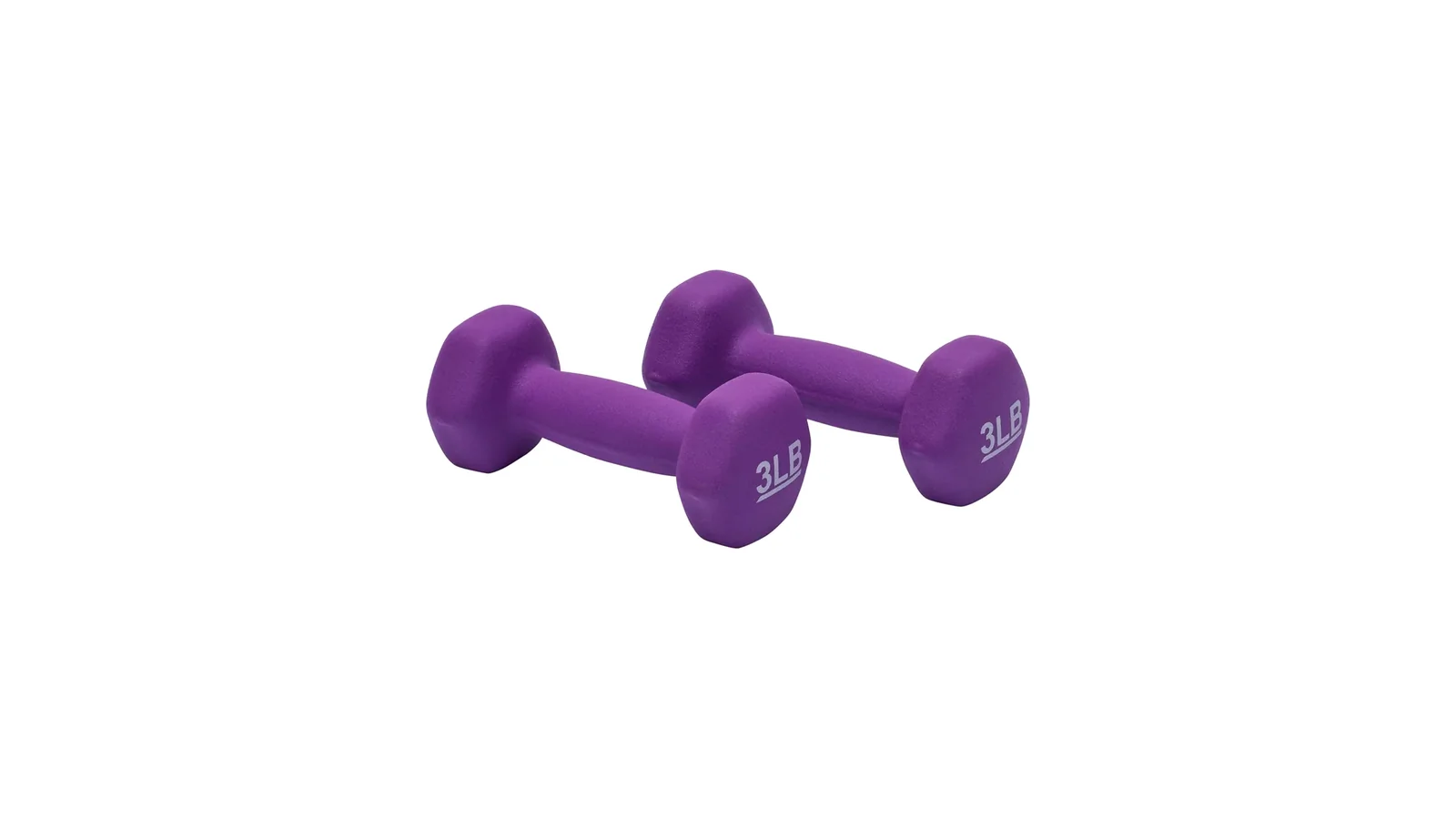
Amazon Basics Neoprene Dumbbells Review: Honest Home-Gym Staple
Fixed-weight neoprene dumbbells that stayed grippy through five weeks of sweaty tempo work, accessory lifts, and HIIT finishers.
The Fitness Guru Apr 15 
Brooks Ghost 17 Review: The Neutral Daily Trainer That Actually Got Better
The Ghost 17 added 3mm of DNA LOFT v3 in the forefoot and made the fit snugger. After 120 miles and one half marathon, here's what changed.
The Fitness Guru Apr 15 
Fit Simplify Resistance Bands Under $10: The Cheapest Way to Start Strength Training
Ten bucks for five resistance bands. I ran the cost-per-use math against $35 fabric sets and a $50 monthly gym. The numbers are not close.
 The Budget Hunter Apr 15
Fit Simplify Resistance Bands Review: A $13 Starter Kit That Punches Up
Five latex loop bands under $15. I trained with them for a month, including glute work, warmups, and a hotel-room lift day.
The Fitness Guru Apr 15 
FITRELL 20-30mmHg Compression Socks Review: Honest Compression At A Three-Pack Price
Three pairs of 20-30 mmHg compression socks for $27. I wore them through long runs, recovery days, and a 12-hour flight to see if the rating is real.
The Fitness Guru Apr 15