In this review
Mile eight of my first long run in the Ghost 17, I started paying attention. Not because something was wrong. Because the shoe had gotten quiet. The 16s had a firmer forefoot that you felt on longer efforts, a gentle reminder that you were still running. The 17 handed that mile back. That is a thing to admit about a $120 shoe that most reviewers will tell you is “basically the same.” It is not. It is three millimeters and one millimeter better in the two places it matters.
Brooks Women's Ghost 17 Neutral Running Shoe
Brooks’ flagship neutral daily trainer, now in its 17th edition. MSRP $119.95. The 17 adds an extra 1mm of nitrogen-infused DNA LOFT v3 foam in the heel and 3mm in the forefoot, tweaks the flex grooves in the midsole, and holds the line on the 10mm drop. APMA Seal of Acceptance, PDAC A5500 diabetic certified, and certified carbon neutral. Currently 4.5 stars across 2,561 ratings and sits at #1 in Women’s Road Running Shoes.
Rating Breakdown
Rating breakdown
How I Tested Them
Three weeks, 120 miles, one half marathon. Most runs were zone 2 easy efforts between 4 and 8 miles. I ran one tempo session (5k at half-marathon pace), one 13.1 race on mixed pavement and gravel path, and used them as my walking shoe on the two active recovery days each week. I am a mid-thirties runner logging 25 to 30 miles a week, size 8.5, neutral gait with a mild tendency to over-pronate on tired days. My previous daily trainer was the Ghost 16, which I wore for about 340 miles before swapping in.
The DNA LOFT v3 Upgrade Is Real
Brooks talks about foam the way coffee brands talk about single origin beans, and most of it is noise. This is not. The v3 version of DNA LOFT is nitrogen-infused, which in practice means smaller bubble structure and a softer landing without the dead-foam trampoline feel. The 17 adds a measurable amount of it where you land and where you push off. That is the whole pitch.
At mile ten of the half marathon, where my arches usually start complaining, they did not. The forefoot has enough extra cushion that the cumulative impact of 2,000 foot strikes on pavement felt softer than it did in the 16s. Protective in a way that adds up over distance. A 2023 review in the Journal of Sports Sciences on midsole foam evolution flagged nitrogen-infused EVA-variants as the real performance story in the last three years, and Brooks picked the right version to double down on.
The Fit Change Nobody Is Talking About
The 17 runs snugger than the 16. Ghost loyalists on Amazon are already calling this out and they are right. The heel cup and midfoot lockdown are tighter. The toe box is marginally less generous. If you have a medium-narrow foot, this is a quiet upgrade. Less internal shifting, better lateral control on cambered roads. If you have a wide forefoot and loved the roomy toe box of the 15 or 16, you are going to feel the change on day one.
I have a medium foot and sized up a half size from my usual 8 to the 8.5 I tested. That is what I’d done in the 16 and I stayed with the same logic. For wide feet, Brooks sells the 17 in D and 2E widths on the men’s side and D on the women’s side. Order the wider width or try a half size up and expect a week of break-in. One reviewer described the first few days as wanting to throw them out the window before they broke in. That is a fair warning. My pair softened noticeably around mile 20.
Neutral, Not Stability
The Ghost is a neutral shoe. It does not have a medial post, it does not guide your foot. If your ankle rolls inward hard under load, this is not the fix. Brooks builds the Adrenaline GTS 24 for that job. I watched a training partner try the Ghost 17 for two weeks before swapping back to her Adrenalines because she runs better with the stability build.
What surprised me is how many Amazon reviewers with mild to moderate over-pronation report that the Ghost 17 works for them after break-in. The new DNA LOFT v3 has enough lateral stability from its density, not from a post, that it accommodates some of those cases. If your pronation is mild and a physical therapist hasn’t told you to run in stability shoes, the 17 is a reasonable shot. If you’ve been in Adrenalines or Saucony Guides for years, do not switch.
The Certifications Actually Matter Here
Most running shoes carry a vague “approved by podiatrists” claim. The Ghost 17 holds two verifiable credentials. The APMA Seal of Acceptance is granted by the American Podiatric Medical Association after a submitted-product review by their podiatric board. The PDAC A5500 coding is the Medicare code for diabetic therapeutic shoes, which means the Ghost 17 can be prescribed and reimbursed for patients with diabetic neuropathy under specific conditions.
This is rare in a road trainer at this price. It is why you see reviews from people recovering from foot fractures, people with plantar fasciitis, people who just wanted a shoe their podiatrist would not roll her eyes at. If you are cross-shopping with a specific foot condition, the 17 is worth a conversation with your doctor before ruling it out.
Carbon Neutral, Not Just On The Box
Brooks certified the Ghost 17 as carbon neutral, which in their case means measured supply chain emissions and purchased verified offsets rather than an in-house calculation. It is not the same as a reduced-footprint shoe like the Allbirds Tree Dasher, but it is an audited claim and worth acknowledging. For a daily trainer that a serious runner burns through every 400 to 500 miles, a legitimate offset program adds up when you own four pairs a year.
Durability Projection
At 120 miles, the outsole shows the wear pattern I get on my 16s: slight rounding on the outer heel, no holes, no foam compression felt in the midsole. The upper is clean. The laces are the only thing I would already swap, because they loosen on long efforts and I ended up double knotting by the half marathon.
My projection is 400 to 500 miles before the foam starts to feel dead, standard for a daily trainer in this class. Reviewers running 20km a week report they are replacing pairs every five to six months. If you run 30 miles a week, expect a pair to last you four to five months. The 17 is not a shoe you stretch to 700 miles. It is a shoe you rotate hard and replace on schedule.
How It Compares
Hoka Clifton 9: Higher stack with rockered geometry. If you want max cushion and a rolling ride, Clifton wins. If you want responsive cushion with a traditional feel, Ghost wins. The Clifton runs about $45 more once you factor in real sale prices.
Saucony Ride 17: A firmer trainer with more snap. The Ride is what I’d pick for tempo days and shorter races. The Ghost is what I’d pick for everything else.
Brooks Glycerin 22: A softer ride at $160 with a bigger stack. If you are willing to pay $40 more for plush max-cushion comfort, the Glycerin delivers. The Ghost is the harder-working sibling at better value.
Brooks Adrenaline GTS 24: The stability cousin. If you need a post, buy the Adrenaline. If you don’t, buy the Ghost.
Who Should Buy These
Neutral runners logging 15 to 40 miles a week who want a daily trainer that handles easy runs, long runs, recovery walks, and the occasional race without complaint. Walkers who want a serious shoe that isn’t labeled “walking shoe.” People with mild over-pronation, flat feet, or a diagnosed foot condition who want APMA-backed construction at a sane price. Anyone replacing a Ghost 14, 15, or 16 who wants a proven franchise.
Skip them if you need motion control (go Adrenaline), if you want max cushion for ultra-distance training (go Clifton or Glycerin), if you have a wide forefoot and didn’t love how the 16 fit (the 17 is tighter), or if you run mostly speed work (go Ride).
Verdict
The Ghost 17 is the shoe I would recommend to a friend starting marathon training, to my mother walking three miles a day after a hip replacement, and to the colleague who asked me last week what shoe to buy if she only wants to own one pair. Rare for a single model. Brooks did not reinvent anything. They added foam where runners asked for it and kept the price flat. After three weeks and a half marathon, the 17s are in my rotation. The 16s are going in the donation pile.
If you’re building out a complete training setup, check out our fitness category for complementary gear reviews.
Also featured in
Related reviews
Owala FreeSip 24oz vs Sway 40oz: Which Capacity Actually Fits Your Session
Two Owala bottles, one lid family, very different carry. I mapped capacity to session length across lifts, rides, and hikes so you only buy the one you need.
 The Fitness Guru Apr 18
Best At-Home Fitness Gear for Small Apartments
What actually earns its two feet of storage when the whole gym has to fit under a couch. Six tested picks for the studio lifter.
The Fitness Guru Apr 18 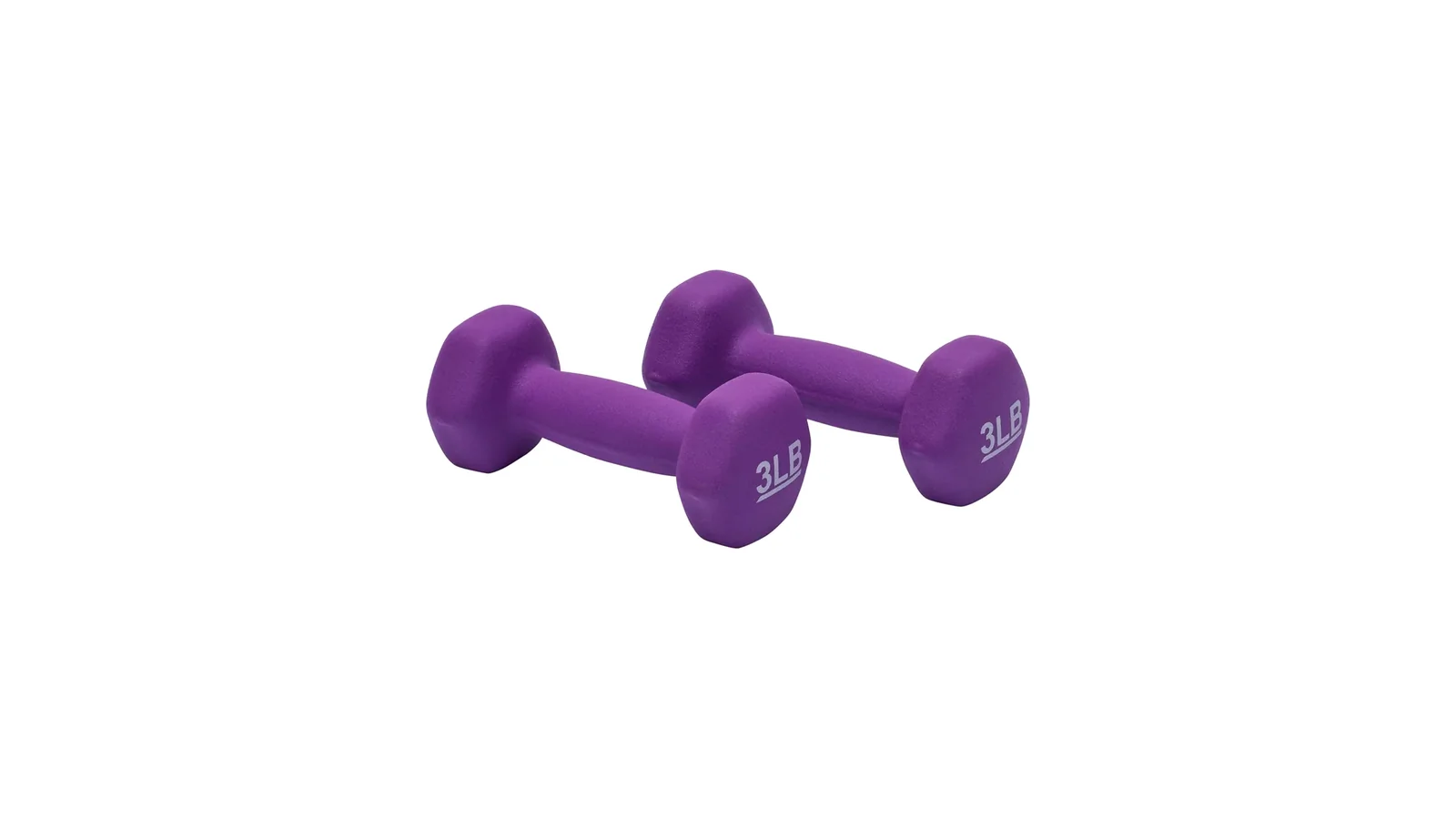
Amazon Basics Neoprene Dumbbells Review: Honest Home-Gym Staple
Fixed-weight neoprene dumbbells that stayed grippy through five weeks of sweaty tempo work, accessory lifts, and HIIT finishers.
The Fitness Guru Apr 15 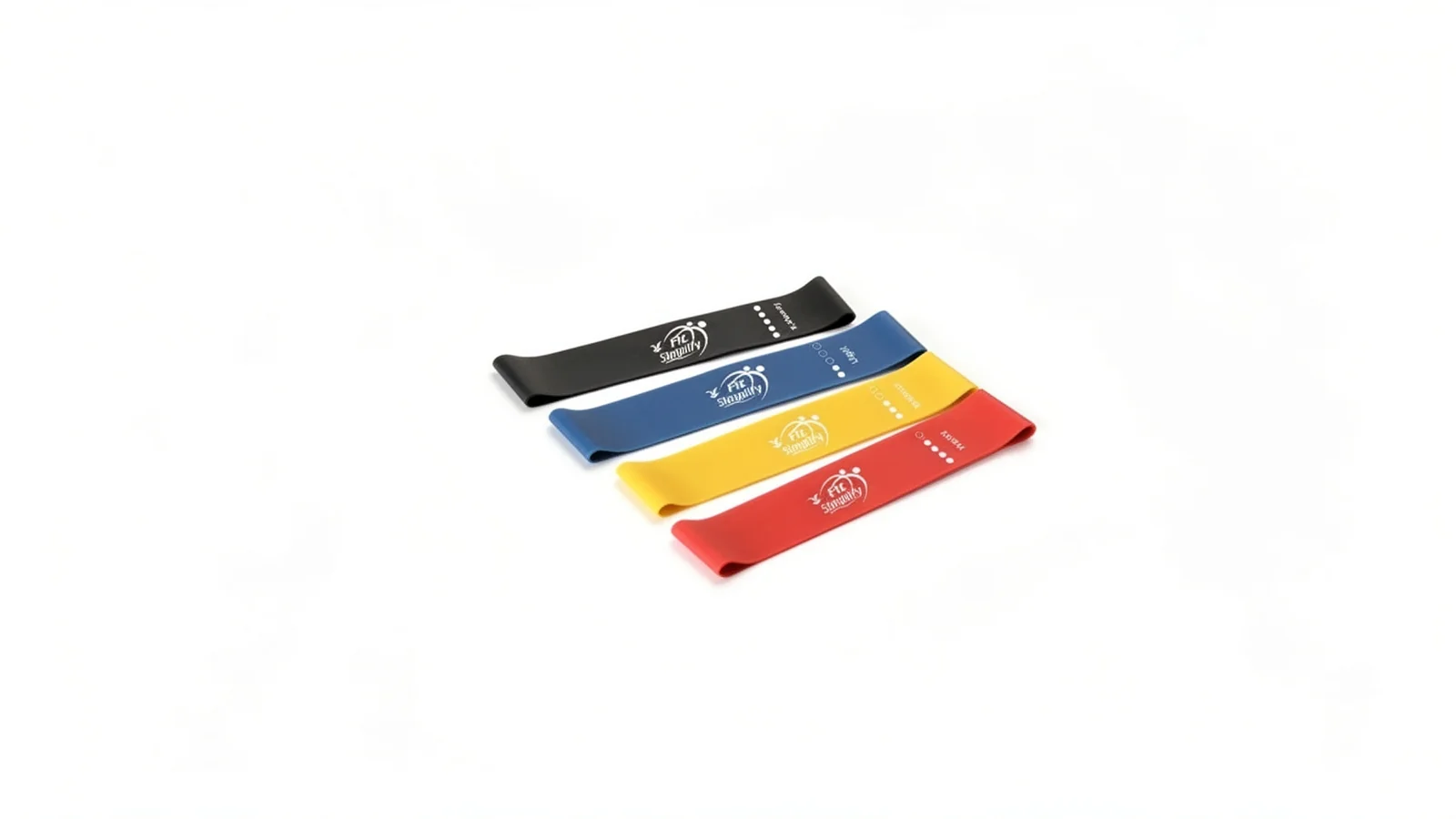
Fit Simplify Resistance Bands Under $10: The Cheapest Way to Start Strength Training
Ten bucks for five resistance bands. I ran the cost-per-use math against $35 fabric sets and a $50 monthly gym. The numbers are not close.
 The Budget Hunter Apr 15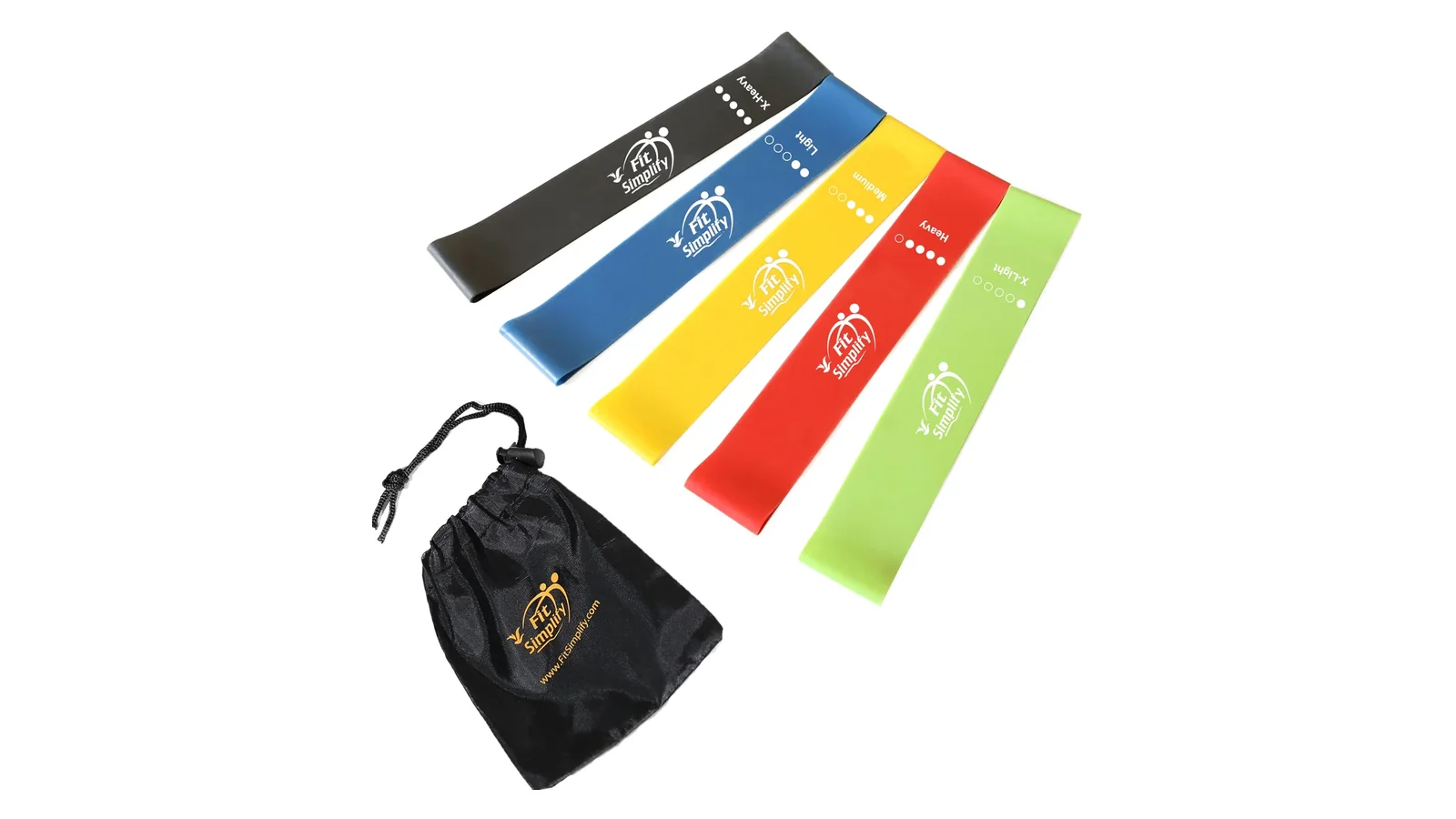
Fit Simplify Resistance Bands Review: A $13 Starter Kit That Punches Up
Five latex loop bands under $15. I trained with them for a month, including glute work, warmups, and a hotel-room lift day.
The Fitness Guru Apr 15 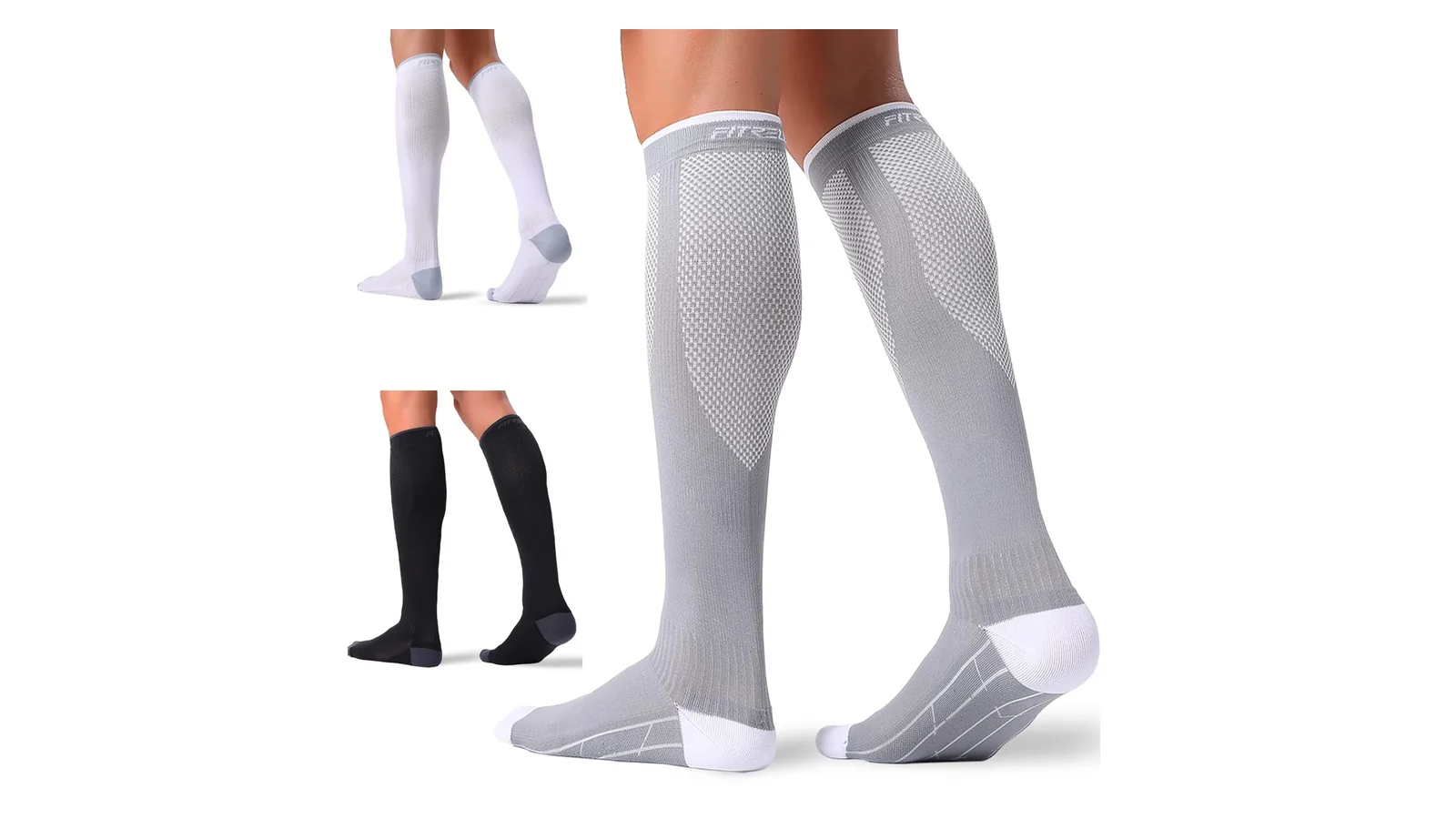
FITRELL 20-30mmHg Compression Socks Review: Honest Compression At A Three-Pack Price
Three pairs of 20-30 mmHg compression socks for $27. I wore them through long runs, recovery days, and a 12-hour flight to see if the rating is real.
The Fitness Guru Apr 15