
In this review
A friend texted me a screenshot of her Amazon cart. Three fabric hip bands, $38 shipped. She wanted to know if it was worth it. I sent her back a link to the Fit Simplify Resistance Loop Exercise Bands 5-Pack. Five bands, $9.98. She said, “That can’t be the same thing.” Not exactly. But close enough that the gap costs $28 and buys you one feature: bands that don’t roll on bare skin. That is the entire premium. Everything else is identical or in Fit Simplify’s favor.
Fit Simplify Resistance Loop Exercise Bands 5-Pack
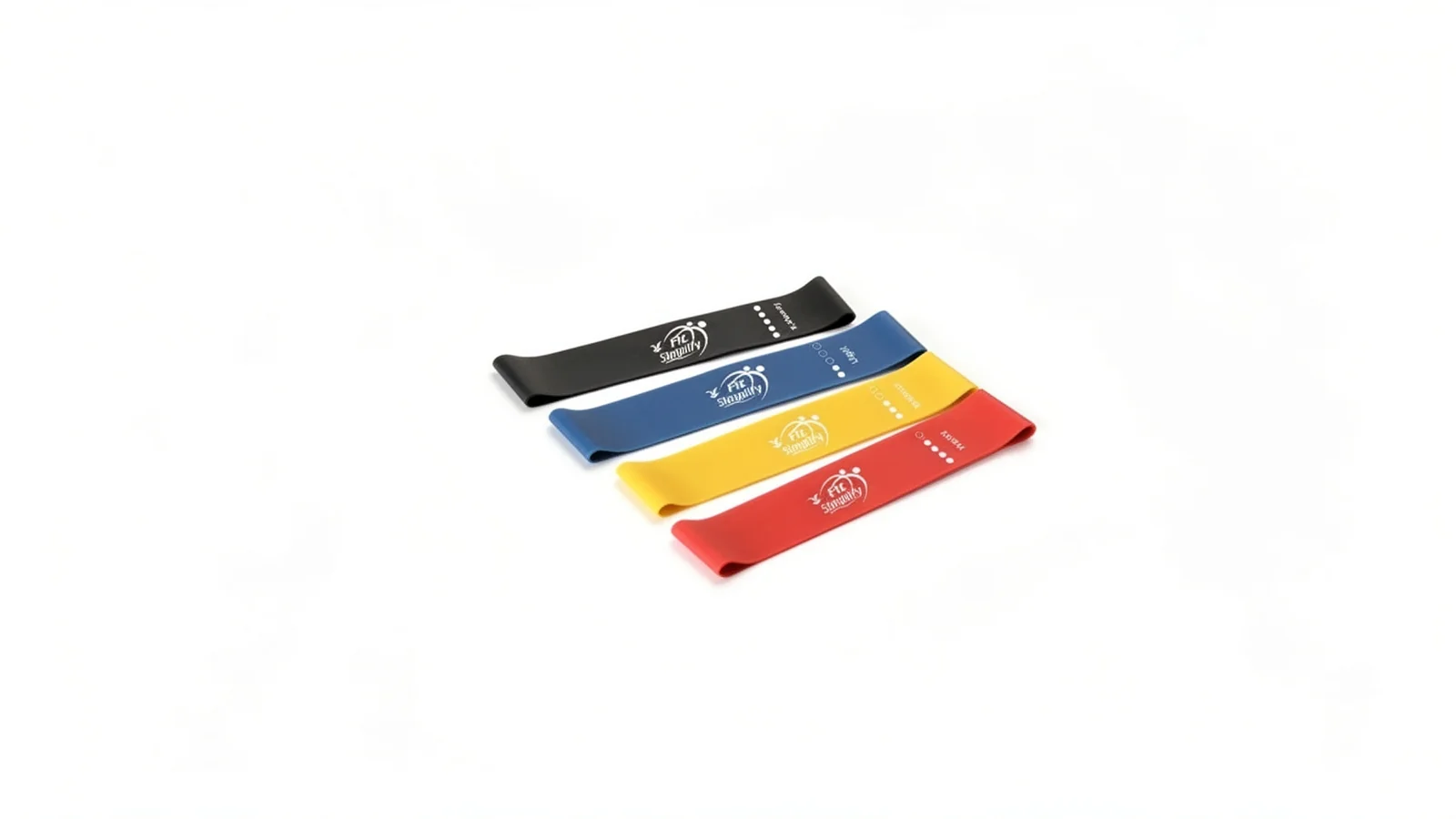
Five 12” x 2” latex loop bands graduated from Extra Light to Extra Heavy, a drawstring carry bag, a paper exercise guide, and access to the brand’s free online video library. Street price sits at $9.98. Rating of 4.5 stars across 135,115 reviews, which is one of the highest review counts on Amazon for any fitness product.
Rating Breakdown
Rating breakdown
The Math I Ran Before Buying
I want you to see the numbers I wrote down before I hit the order button. A monthly gym membership at a reasonable chain runs $30 to $50 in most US metros. Peloton app is $13 a month. A single boutique class in my city is $28. I am not telling you to cancel any of that. I am telling you that $9.98 for a five-band set is less than one class and roughly a third of one month at the cheapest gym.
If you use these bands twice a week for a year, that is 104 sessions. Cost per use: nine and a half cents. If you quit in six weeks like most new-year resolutions, cost per use is about 83 cents. The worst-case scenario for these bands is still cheaper than gum.
The fabric band alternative, which I will come back to, runs $25 to $40 for a three-pack. Cost per use at the same frequency is between 24 and 38 cents. Still cheap. But roughly three to four times the Fit Simplify number for a product that does less in fewer situations.
What You Actually Get at $9.98
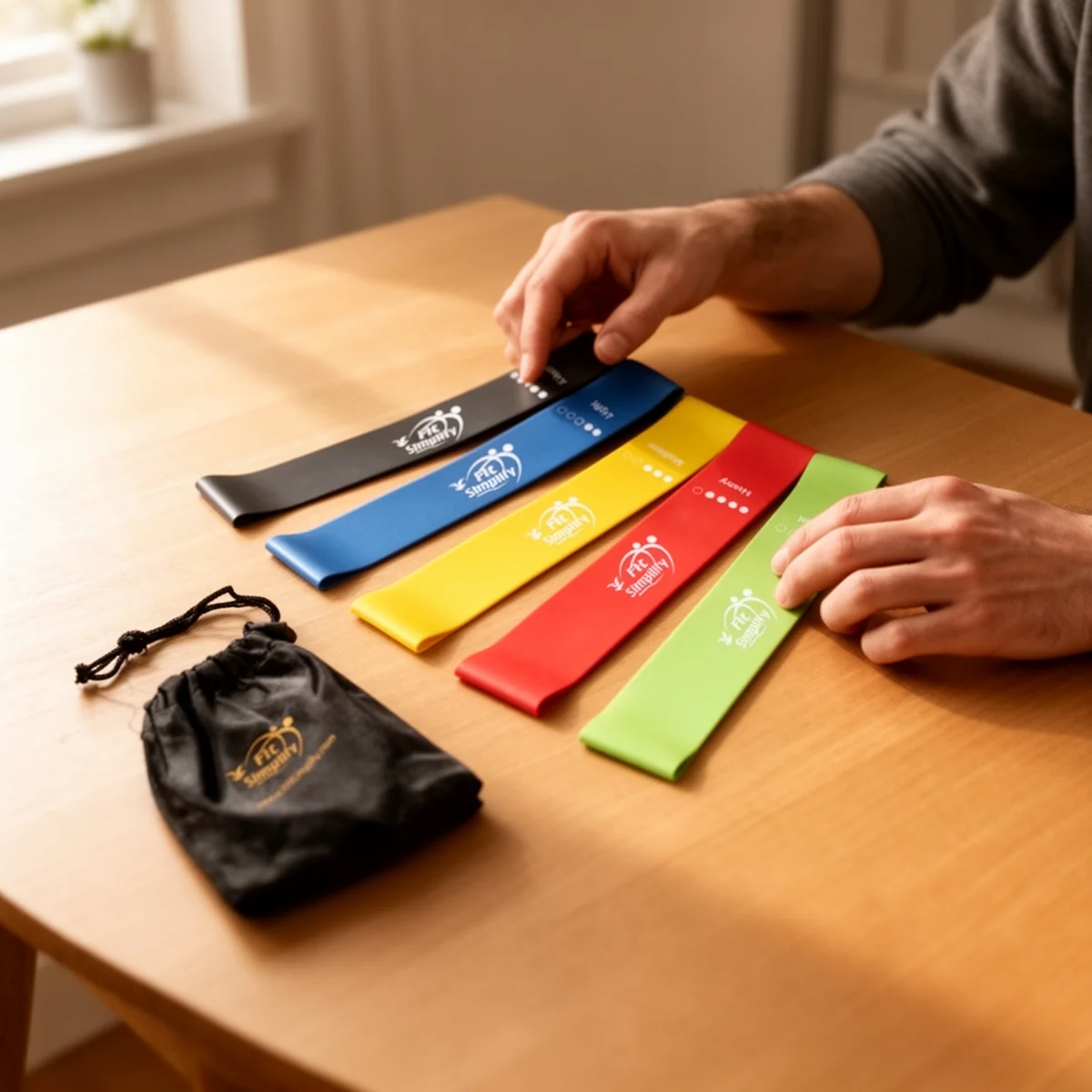
Five latex loops at graduated tensions. The marketing calls them Extra Light, Light, Medium, Heavy, and Extra Heavy, and the labels mostly track with reality. Extra Light is a genuine warmup band for shoulder pull-aparts and hip activation. Extra Heavy is hard enough that banded squats with it loaded at the top feel like real work.
In the box: the bands, a drawstring bag small enough to live in a laptop sleeve, a printed mini-guide, and a QR code to the brand’s video library. The videos are the sleeper feature. Most cheap fitness gear ships with a photocopied pamphlet showing a stock model doing exercises in a loft. Fit Simplify’s videos are short, clean, and cover about 40 moves. That is the kind of value-add that usually shows up on a $30 product, not a $10 one.
What you do not get: a carrying case with dedicated slots, color-coded resistance ratings printed on the bands themselves (the text rubs off within a few months), or a door anchor. The door anchor omission matters if you want to do rowing motions. You can fake it with a heavy door latch, which I did in a hotel room for three days without drama.
The Brand Tax on Fabric Bands
Fabric hip bands are the obvious upgrade option, and this is the only place the cost comparison gets interesting. A set of three fabric bands from Te-Rich or similar runs about $25. Premium names like Bala or Thera-Band can hit $40. The one thing fabric bands genuinely do better: they stay put on bare skin during glute work. The band does not roll up the thigh, so you stop resetting between reps.
That is the entire feature. You are paying a $15 to $30 premium, which is a 250 to 400 percent markup over Fit Simplify, for one fix: a band that doesn’t roll during lateral walks and clamshells.
The honest diagnostic is how much of your training is specifically glute isolation done on bare skin. If that describes every session, buy fabric. If it describes a few warmup moves before squats, pay the $9.98 and wear leggings. I tested both in the same session, on the same legs, with the same exercises. The Fit Simplify bands rolled once or twice per set and I reset them in half a second. The fabric set did not roll. The $28 gap did not move a single rep count.
Hidden Costs: There Are None
This is where the budget math finishes. Most fitness gear at the low end has hidden costs baked in. Cheap dumbbells need a rack. Kettlebells need rubber matting. Treadmill belts need replacing. Spin bike shoes lock you into a brand.
The Fit Simplify bands have zero hidden costs. No consumables. No compatible accessories. No subscription. No replacement parts sold separately. If one band dies in 18 months of heavy use (which is what a handful of reviews report, usually the Extra Light going first), you replace the whole five-band set for $9.98 and still come out ahead of what a single fabric band would have cost.
Storage is free because they live in the included drawstring bag in a desk drawer. Travel is free because the whole kit weighs under a pound. There is no gear you have to buy to use the gear you already bought.
Durability Versus Price
The relevant durability bar is whether they outlast your motivation to use them, which is a much lower bar than lasting forever. Based on the review data across 135,000 ratings, most buyers clear it. Reports of bands snapping cluster around very heavy daily use over many months, with the Extra Light and Light as the usual casualties. The Medium through Extra Heavy tend to hold up through a year or more of regular home use.
Natural latex does degrade faster in direct sunlight and in hot cars. Store them in a drawer. Do not leave the bag on a balcony in July. Those two habits alone will stretch these through multiple resolution cycles.
One review from a physical therapist mentioned using them with kids for gross motor work on a daily basis and still having the set intact after months. If a PT’s clinic can burn through a set at that volume and come back for more at $9.98, you are probably fine for home use.
Where to Buy and Price Stability
I watched the Amazon price on these for about a month before pulling the trigger. It sat at $9.98 the entire time, with one Prime Day dip to $8.47 that lasted roughly 36 hours. Unlike a lot of fitness gear, this one does not swing wildly. There is no point waiting for a “real sale” because the street price is already at rock bottom. If you catch a Prime Day discount, good. If not, you are paying about the price of a drive-through lunch for a year of home workouts.
Availability is steady. The brand has been on Amazon since 2015, which in Amazon-fitness-product years is ancient. They are not going anywhere, and replacement sets are always in stock.
Who Should Actually Buy These
If you are starting strength work from zero and want to see if you will stick with it, this is the lowest-risk way to find out. If you are a traveler who loses a month of training every time a work trip lands, these solve that problem for under a Chipotle burrito. If a physical therapist handed you a rehab routine and mentioned “resistance bands,” buy these and skip the branded medical version your insurance company tried to upsell. If you share a home gym with a partner or kids and need five tensions so different bodies can use the same kit, the graduated set wins.
Who should spend more. Competitive lifters doing exclusively glute isolation on bare skin. People with latex allergies. Anyone who specifically needs longer tube bands with handles for pull-up assistance or press movements. That is about it.
Verdict
My friend with the $38 fabric cart ended up buying the Fit Simplify set instead and texted me six weeks later to say the gap bought her a better pair of running shoes. That is the whole argument. Every dollar you don’t overpay for gear is a dollar available for something that actually needs the spend.
At $9.98, the question flips from whether the bands are good enough to what excuse you have left for not starting.
If you’re building a complete home gym on a budget, check out our other fitness equipment reviews for dumbbells, mats, and more sub-$20 finds.
Also featured in
Related reviews
Owala FreeSip 24oz vs Sway 40oz: Which Capacity Actually Fits Your Session
Two Owala bottles, one lid family, very different carry. I mapped capacity to session length across lifts, rides, and hikes so you only buy the one you need.
 The Fitness Guru Apr 18
Best At-Home Fitness Gear for Small Apartments
What actually earns its two feet of storage when the whole gym has to fit under a couch. Six tested picks for the studio lifter.
The Fitness Guru Apr 18 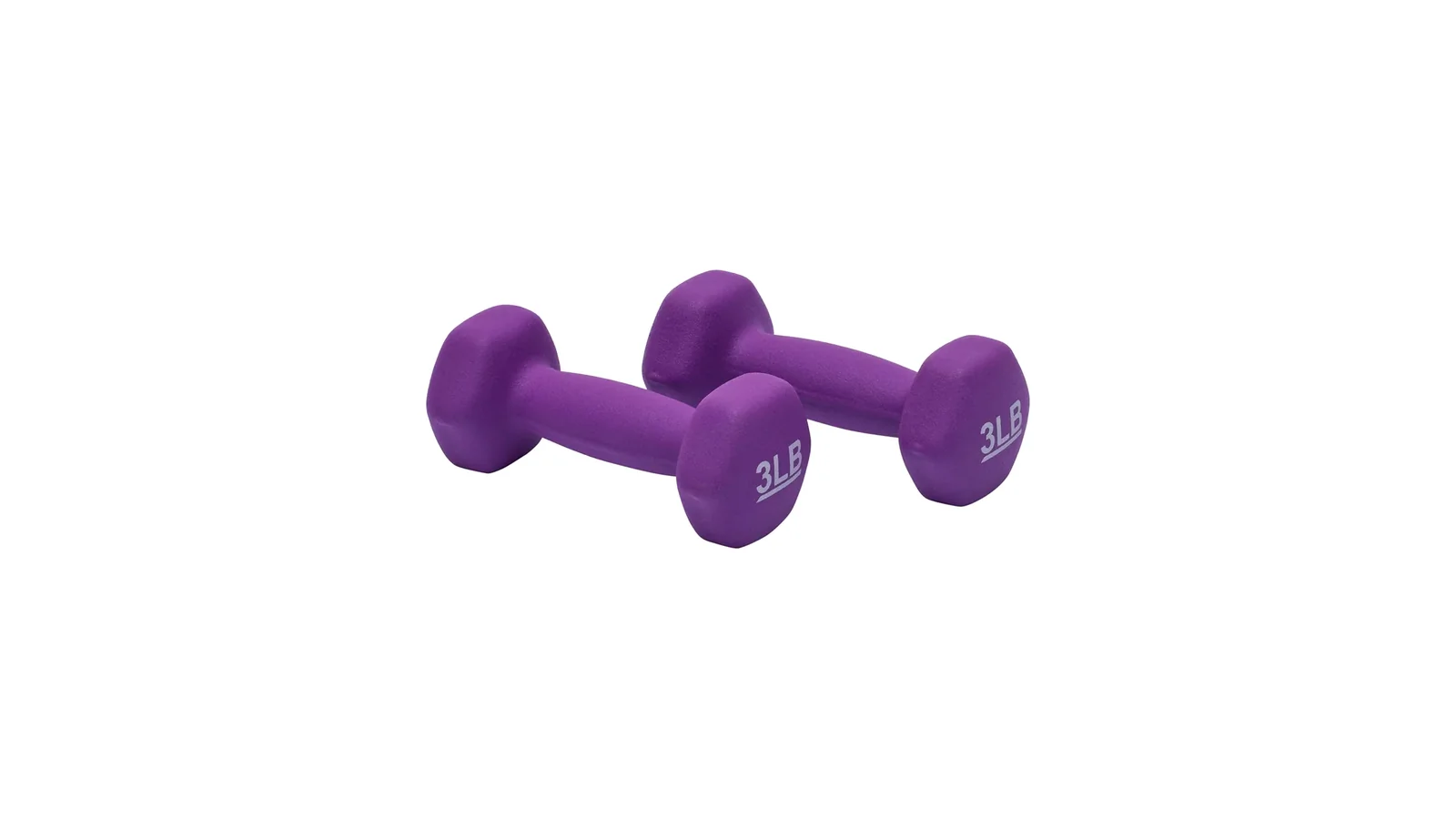
Amazon Basics Neoprene Dumbbells Review: Honest Home-Gym Staple
Fixed-weight neoprene dumbbells that stayed grippy through five weeks of sweaty tempo work, accessory lifts, and HIIT finishers.
The Fitness Guru Apr 15 
Brooks Ghost 17 Review: The Neutral Daily Trainer That Actually Got Better
The Ghost 17 added 3mm of DNA LOFT v3 in the forefoot and made the fit snugger. After 120 miles and one half marathon, here's what changed.
The Fitness Guru Apr 15 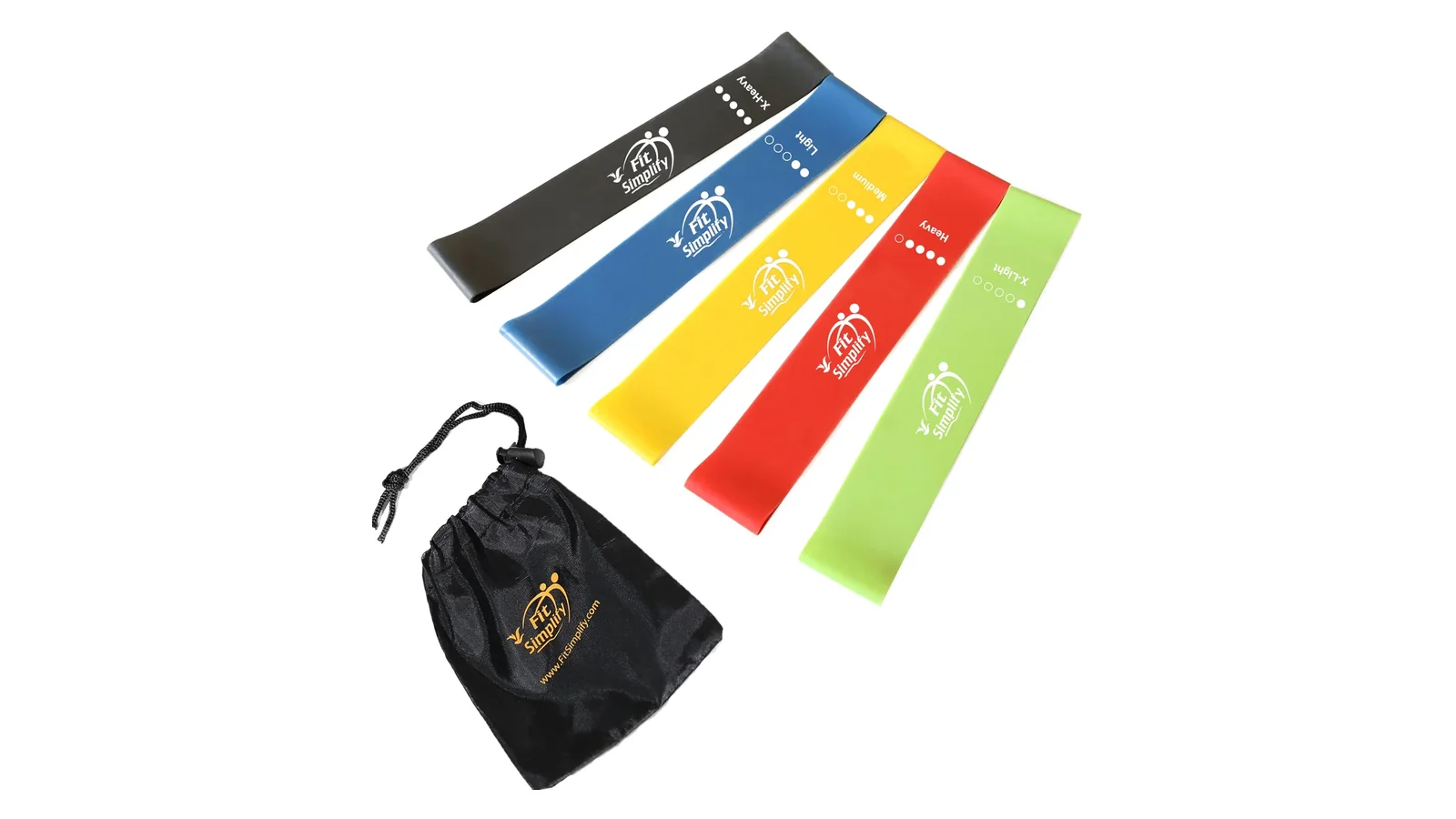
Fit Simplify Resistance Bands Review: A $13 Starter Kit That Punches Up
Five latex loop bands under $15. I trained with them for a month, including glute work, warmups, and a hotel-room lift day.
The Fitness Guru Apr 15 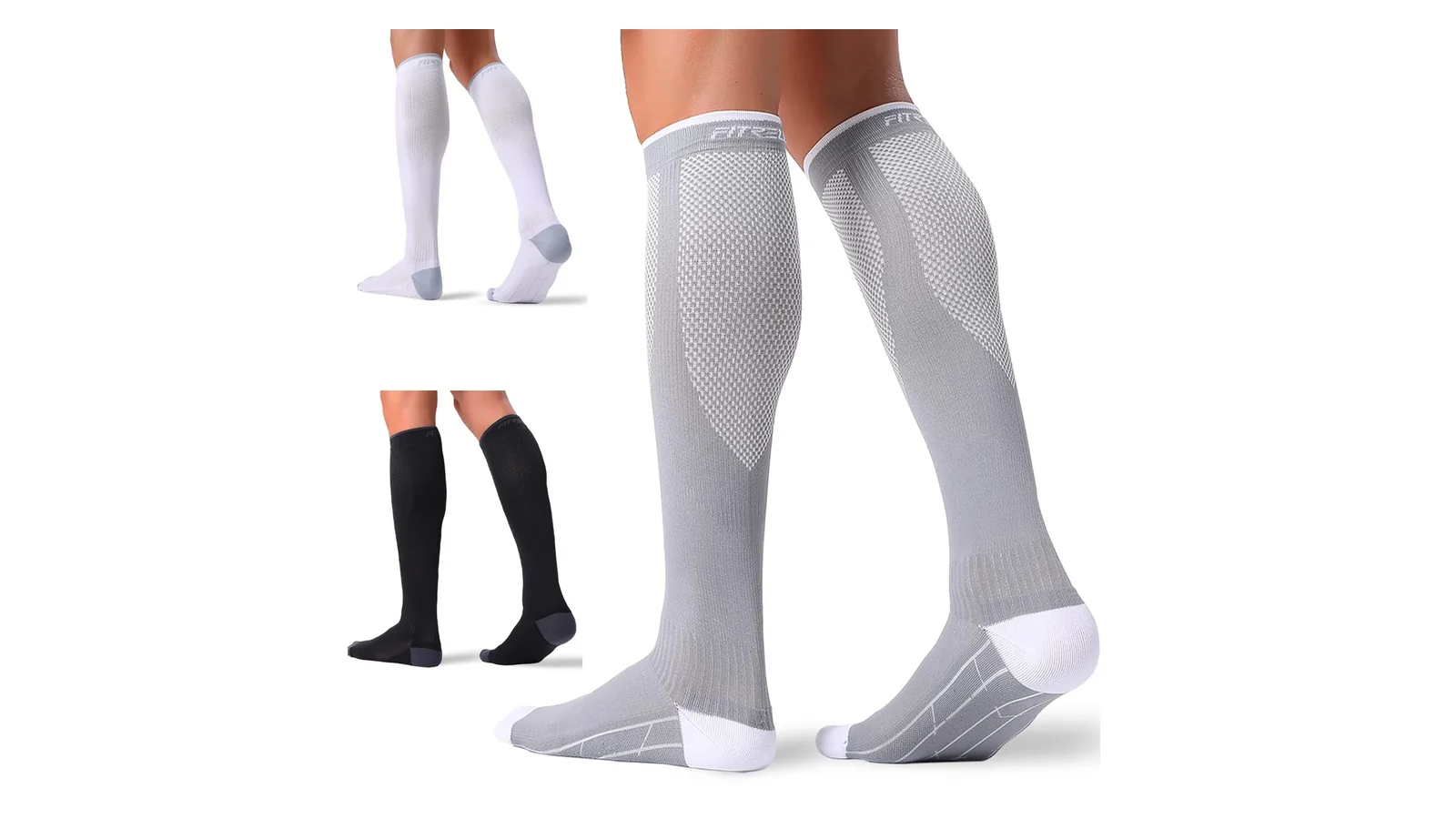
FITRELL 20-30mmHg Compression Socks Review: Honest Compression At A Three-Pack Price
Three pairs of 20-30 mmHg compression socks for $27. I wore them through long runs, recovery days, and a 12-hour flight to see if the rating is real.
The Fitness Guru Apr 15