In this review
The filter light on my neighbor’s Whirlpool had been blinking orange for about four months before he called me. His water dispenser was pouring out something that tasted faintly like a swimming pool, and the ice smelled like whatever leftovers had been sitting in the back of the freezer. He asked if I could help him figure out what he needed.
I looked at the tag inside the fridge door. Model number ended in a code that matched the EDR1RXD1 bayonet-style filter. Ordered one. Drove over on a Saturday with a pitcher and a roll of paper towels, because anyone who has skipped the flush step on a carbon filter knows what happens next.
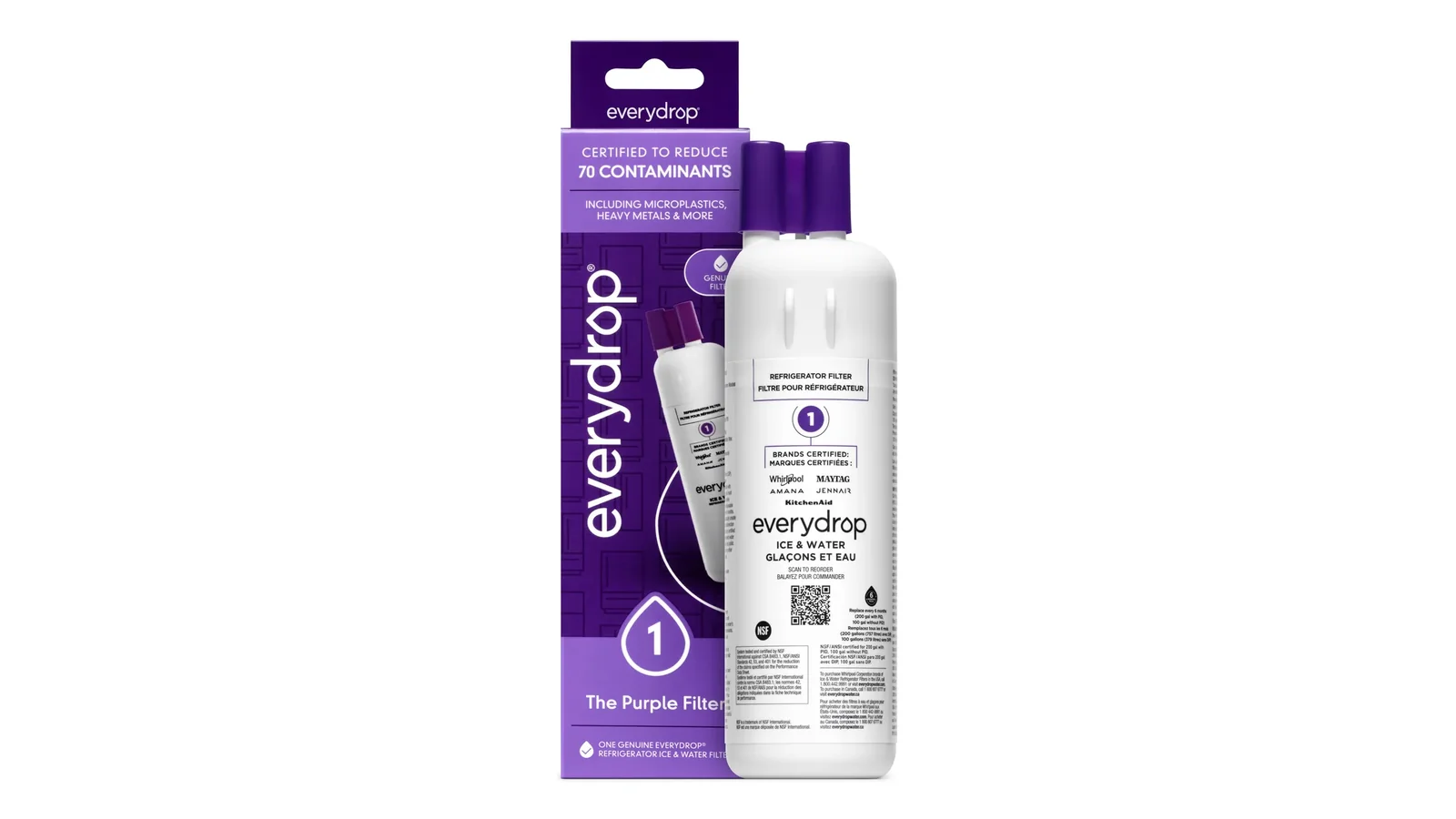
Whirlpool EDR1RXD1 Refrigerator Water Filter (EveryDrop Filter 1)
The genuine OEM EveryDrop by Whirlpool Filter 1. Push-in bayonet style, fits Whirlpool, Maytag, KitchenAid, JENN-AIR, and Amana refrigerators that use the original Filter 1 housing. Replaces the older W10295370A. NSF 42 and NSF 53 certified per the manufacturer for chlorine taste, odor, and lead reduction. Rated for 200 gallons or six months, whichever comes first.
Rating Breakdown
Rating breakdown
Fit and Install
A filter swap should take under two minutes. This one did.
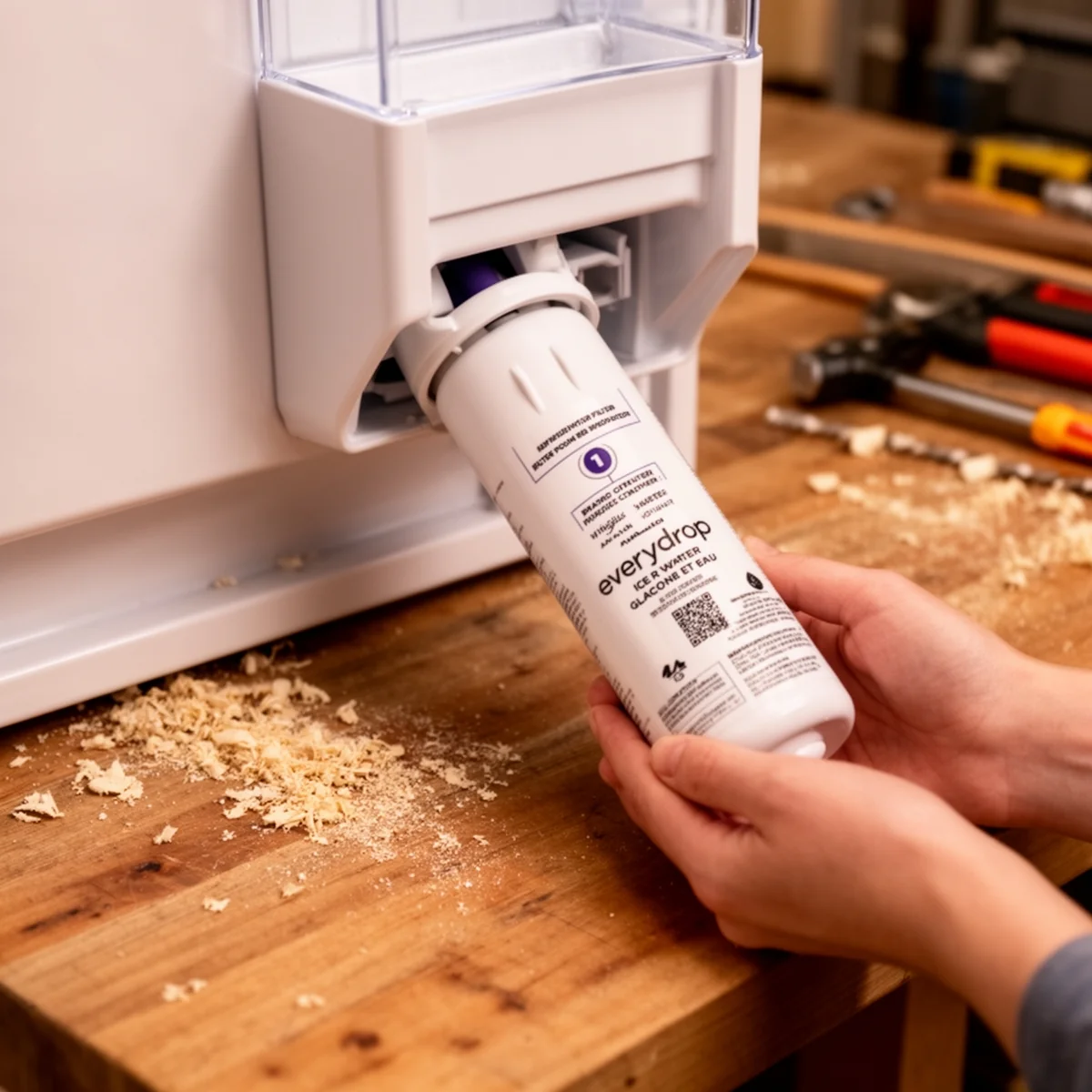
The EDR1RXD1 is a bayonet fit. You grab the old filter, rotate it a quarter turn counterclockwise, and it pops straight out of the housing in the upper-right corner of the fridge compartment. Drop the new one in, rotate a quarter turn clockwise, and you feel it seat. No tools. No shutting off the water supply. The filter head is pressure-sealed from both sides during the swap, so you do not get the little geyser you might expect.
I have seen people buy third-party filters that look identical in the photos but have a tolerance problem on the bayonet tabs. Either they will not seat fully, or they will seat and then leak a slow drip past the O-ring. The OEM filter fits the way the housing was cut to receive it. No wiggle, no play, clicks home on the first try.
If your fridge has a status indicator, hold the button down for three seconds after install to reset it. That is a fridge menu thing, not a filter thing, but it is the step people forget and then blame on the filter.
The Flush Matters
Every carbon filter ships with loose charcoal fines inside the media bed. If you install a new filter and immediately pour a glass, you get gray water with visible specks. People freak out. They post photos. They return the filter. The filter is fine.
Whirlpool’s instructions say to run about three gallons through the new filter before drinking. I measured two and a half on my neighbor’s unit before the water ran clear, then kept going to four gallons total just to be safe. That is about fifteen minutes of dispensing into a pitcher and dumping it into the sink.
Skip this and you will spend a week thinking you bought a defective filter. Do the flush. Every time.
Taste, Before and After
Before the swap, his water had a chlorine bite that hit on the back of the tongue. Not strong. Noticeable. The ice in the door had picked up freezer odor because the old filter was at eleven months of use and had effectively zero carbon capacity left.
Twenty-four hours after install and flush, I did a side-by-side taste test with the tap water straight from the kitchen sink, the fridge dispenser, and a bottled spring water for reference. The fridge water was cleaner than tap, clearly. Not as neutral as the bottled, but closer to it than to the tap. Ice made after the swap had no detectable odor.
Worth noting. A carbon filter does not change the mineral content of your water. If your municipal source runs hard, your water will still taste hard after a new filter. What changes is the chlorine taste, the organic off-flavors, and whatever volatile compounds the carbon catches on the way through. If your water tasted metallic before the swap, that is a different problem. You need a whole-house filter or a reverse osmosis unit, not a $37 fridge filter.
Filter Life and the 6-Month Question
Whirlpool rates this filter at 200 gallons or six months. The 200-gallon number is the real limit. The six-month clock in the fridge is just a calendar, not a flow meter.
A household of two that uses the dispenser for drinking water and makes ice daily will hit six months before 200 gallons. A household of five, with everyone filling water bottles and the kids running ice through a cup crusher, will hit 200 gallons in maybe four months and the light will still say good. In that case, the water will start tasting like it did before the swap, and the filter is telling you it is done even though the fridge is not.
Pay attention to taste. That is the real indicator.
The cost works out to about six dollars a month at six-month intervals, or closer to nine a month if you swap every four. Compare that to bottled water for a family and it is not even close on cost. Compare it to a $12 aftermarket filter and you start asking questions, which I will get to.
The OEM vs. Aftermarket Question
You can buy a Waterdrop, GlacialPure, or PureLine filter that claims to fit the same housing for fifteen to twenty dollars. I have tried three different aftermarket brands on three different friends’ fridges over the last couple of years. Mixed results.
Two of the three installed without drama and performed well for the first few months. One leaked a slow drip past the bayonet seal within about six weeks. Another triggered the fridge’s “filter error” code because the electronic handshake on newer Whirlpool models can reject filters without the correct RFID chip. That is a game of whack-a-mole with firmware updates, and the aftermarket companies are always one step behind.
NSF 53 certification is the other piece. The EDR1RXD1 is tested and certified for lead reduction by the manufacturer. Aftermarket brands vary wildly. Some have real NSF paperwork. Some have certifications from companies nobody has heard of. Some have a sticker that says “tested to NSF standards” which means nothing legally. If you are filtering water for kids, or you live in an older home with questionable pipes, the OEM certification is worth the price difference.
If you have an older fridge without the filter error detection, and you are just trying to knock chlorine out of suburban municipal water, the aftermarket route can work. Just know what you are buying and from whom.
What Could Be Better
The price. Thirty-seven bucks for a cartridge of activated carbon is rough. The OEM tax on this product is real, and Whirlpool has every reason to keep it high. Nothing to do about that beyond buying in multi-packs, which knock a few dollars off per filter.
There is no actual flow meter on the filter or in most fridges. You are relying on a calendar timer that resets when you hold a button. A real flow sensor would tell you when 200 gallons have passed and would end the guesswork. At this price point, I would expect that. I do not get it.
And the counterfeit problem on marketplace listings is bad. I bought the one I installed from a reputable seller on the manufacturer’s site. Other listings on the same ASIN have had quality control complaints that trace back to gray-market or knockoff inventory shipped by third-party sellers. Check the seller before you click buy. A genuine filter comes in Whirlpool packaging with the lot number and an RFID tag that matches the fridge’s handshake.
If you’re upgrading other parts of your home, check out our full DIY and home improvement reviews.
Related reviews
DEWALT DCK240C2 20V MAX Drill and Impact Driver Combo Review: Real-World Take
The DCK240C2 combo ended up in my truck for fence work, engine bay jobs, and a kitchen install. The tools are solid—the 1.3Ah batteries are not.
 The Handyman Apr 15
GE XWFE Refrigerator Water Filter Review: Pay the Toll or Go Without
The GE XWFE is a five-minute swap that costs $50 every six months and locks out every aftermarket filter. Here's when it's worth it.
The Handyman Apr 15 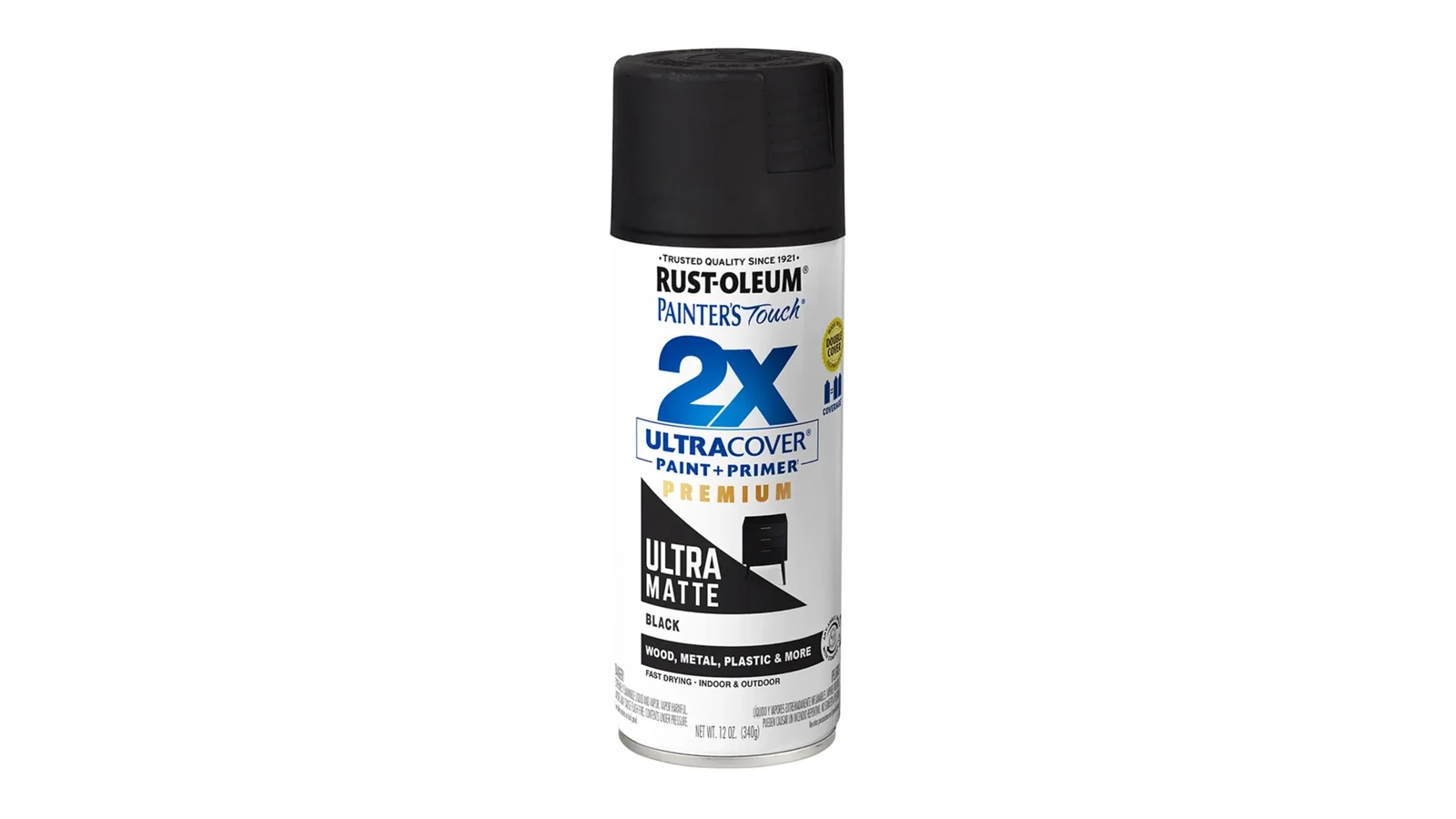
Rust-Oleum Painter's Touch 2X Ultra Cover Review: A Handyman's Take on Finish and Technique
2X Ultra Cover Matte Black on railings, mailbox posts, HVAC grates—where the $10 can earns its keep, where you need enamel.
The Handyman Apr 15 
Best Budget DIY & Tool Picks: Seven Sub-$30 Items That Punch Way Above Their Price
Seven sub-$30 DIY picks I kept using: a 40-piece screwdriver kit, DeWalt drill bits, Fiskars pruners, bands, a mouse, paint, and a scale.
 The Budget Hunter Apr 18
DeWalt 14-Piece vs 21-Piece Titanium Drill Bit Sets: Which One Lives in the Drill Bag
The 14-piece rides in the drill bag for daily pilot work. The 21-piece fills the fractional gaps and stays in the shop.
The Handyman Apr 18 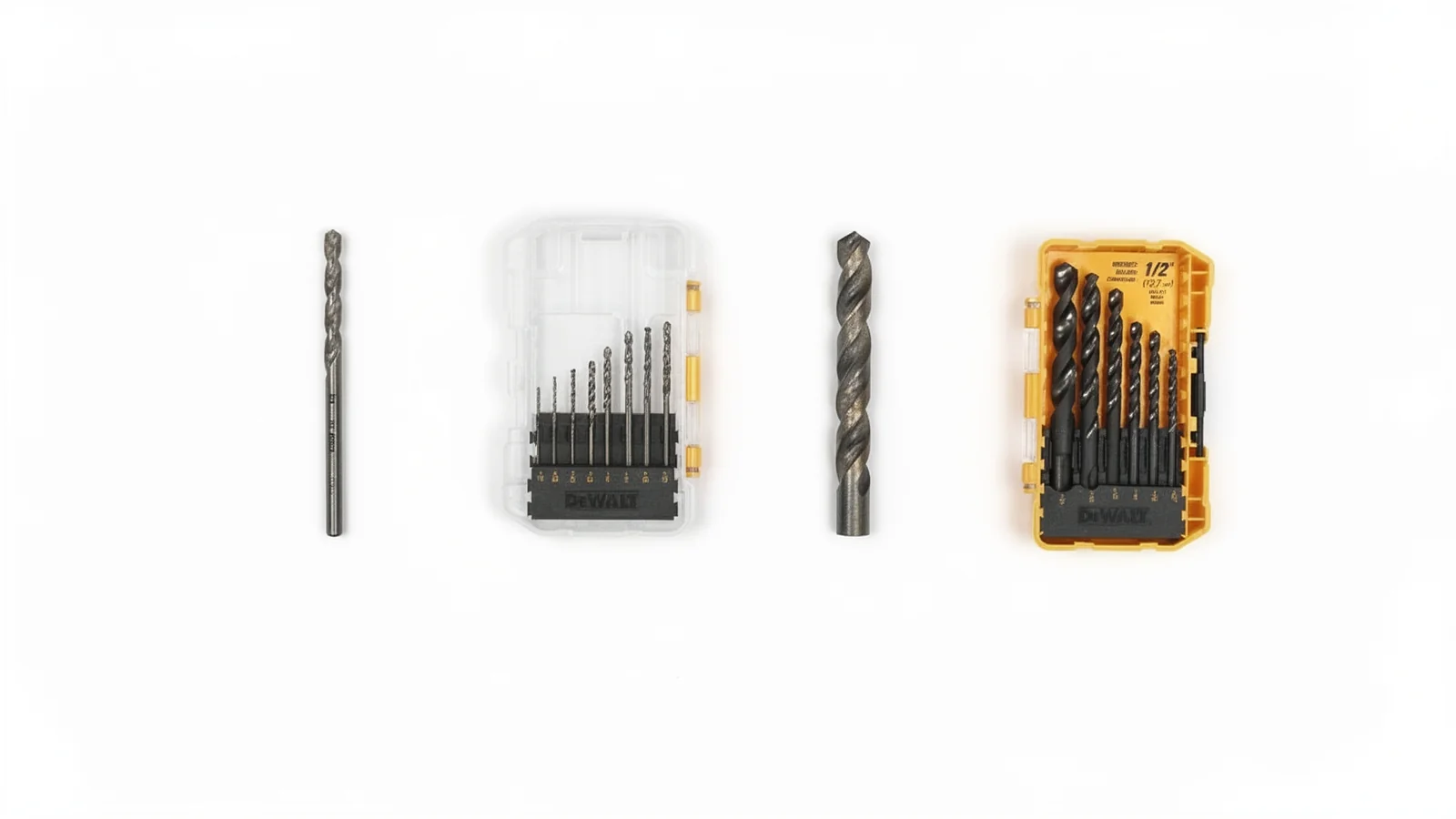
Best Drill Bit Sets for Homeowners: A Handyman's Take
Three sets tested across a garage rack, a vanity swap, and a snapped grade-8 bolt. One for daily drives, one for size coverage, one for the steel that eats HSS.
The Handyman Apr 17