In this review
A neighbor asked me to repaint his wrought-iron porch railing before a Memorial Day cookout. The rail had been touched up four or five times over the years with whatever the previous owner had in the garage. Gloss over satin over a flat black that was chalking. It looked like a bad haircut. I told him we had two options: strip it and shoot enamel, which was a two-day job, or wire-brush the scale, primer the bare metal, and lay down two coats of Rust-Oleum 2X Ultra Matte. He had a Saturday. So we went with the 2X.
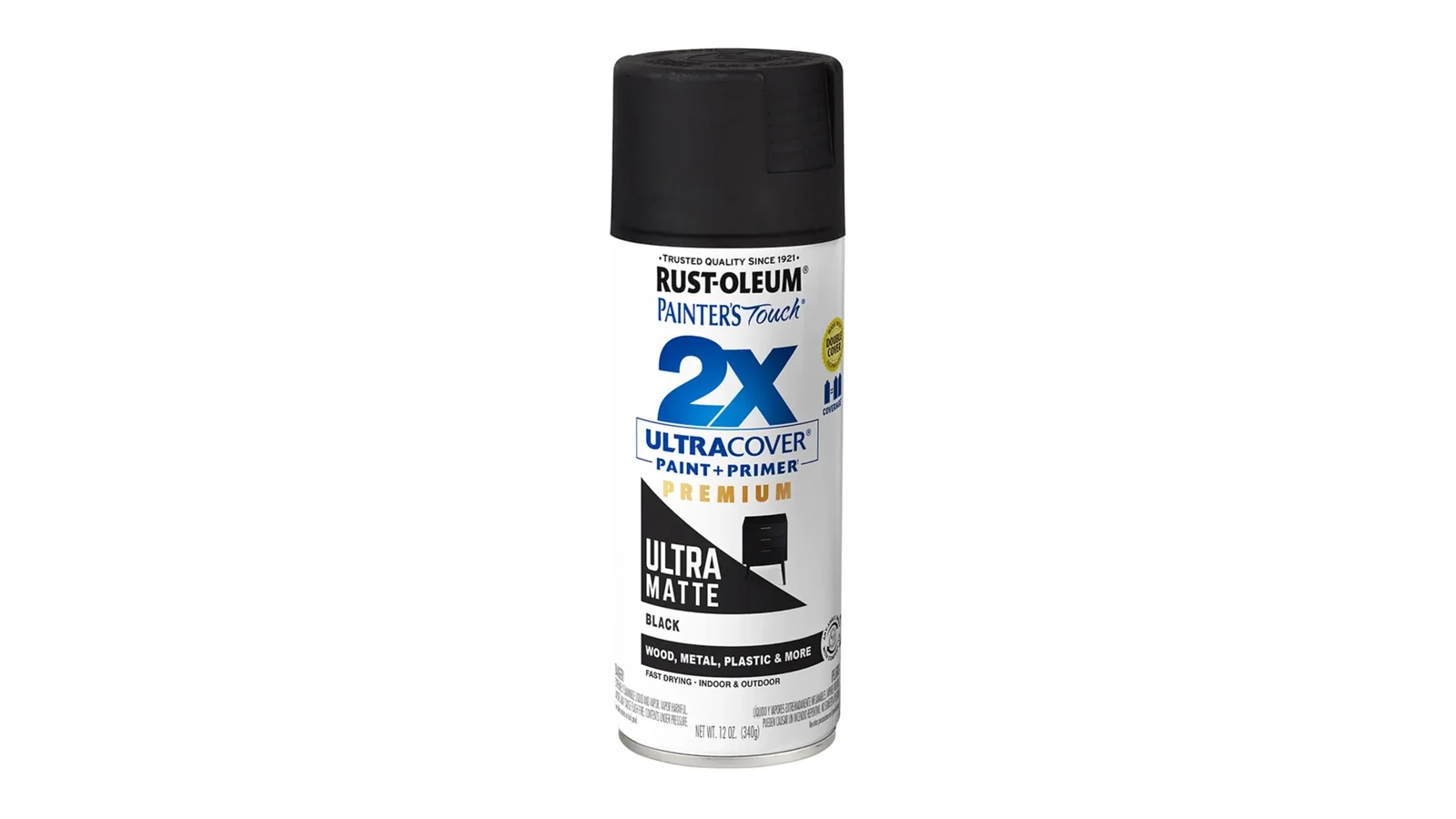
Rust-Oleum 331182 Painter's Touch 2X Ultra Cover Matte Black, 12 oz
Oil-based matte-black topcoat with a 2X coverage formula and the comfort-tip spray nozzle. About 12 square feet per 12-ounce can, touch-dry in 20 minutes, recoat window at 1 hour, full cure in 24. The default topcoat when you need a uniform flat black that will hold up outside for more than one season, as long as you put the prep work in first.
Rating breakdown
Finish quality on real metal
This is where the oil-based formula earns the price. The railing job took three cans and two coats over a Rust-Oleum rusty metal primer. The finished surface is dead flat, no sheen variation, no banding between passes. From ten feet away it reads like a fresh powder coat.
Cheap rattle cans give themselves away with a plasticky half-sheen that looks wrong on metal. Rust-Oleum 2X Ultra Matte sits down on the substrate and stays there. That matters when the paint job is the finished product, not a step in a larger refinish.
The same can the next weekend refreshed my own mailbox post. Bare cedar on the top, galvanized on the bracket, and the spread of the fan tip carried over both materials without a visible seam. Two coats, 45 minutes of spraying including taping, done before lunch.
Coverage and the 2X claim
The 2X marketing is mostly honest. On primed metal, two passes gave full hide on matte black. On bare wood, you are looking at three coats. On existing gloss without a scuff-sand first, you can put on as many coats as you want and it will still look like you painted over glass with chalk. It will not bond.
A 12-ounce can covers roughly 12 square feet in two coats. For the railing that meant about 18 linear feet per can, which tracks with what the label promises. No brand lies harder than spray paint brands about coverage, and this one came in close to spec.
Application forgiveness
The comfort-grip tip is not a gimmick. Three cans on the railing meant about 35 minutes of continuous trigger time. My index finger was fine. I have run cheaper cans where the trigger geometry puts your finger to sleep inside of 10 minutes, and your spray pattern goes to hell right with it.
Hold the can 10 to 16 inches off the surface. Closer and you get drips. Farther and you get orange peel. Overlap each pass 50 percent and keep the can moving. The matte finish is less forgiving of sags than gloss, because a sag on flat black looks like a wet spot forever.
Shake the can one full minute after the ball starts rattling, not before. This is the number one mistake I see on Saturday projects. Skipping the shake gets you a thin first coat and a pigment-heavy second coat that looks blotchy.
Outdoor durability
One summer and a winter in on the railing. The finish is holding. No chalking yet, no fade at the south-facing section, no peel at the welds where I know the primer coverage was thinnest. I would still expect to recoat in three to four years on a hot-sun exposure, which is about what I get from any non-enamel outdoor paint.
For anything that gets bumped or grabbed, this is the wrong product. It is not an enamel. On door hardware, gate latches, cabinet pulls, or a workshop stool that gets dragged around, it will rub through at the contact points within months. I have a shop shelf bracket I shot with this two years back and the corners where my rafter hangers rest on it are already bare metal again.
Surface prep sensitivity
Where this paint fails, it usually fails because of prep, not the can. Glossy surfaces need a scuff with red Scotch-Brite and a degrease. Galvanized needs a vinegar wipe or a self-etching primer. Oily metal needs mineral spirits and a clean rag until the rag comes off white. Bare wood wants a primer coat unless you like watching your first coat disappear into the grain.
The can lists adhesion to wood, metal, plastic, plaster, masonry, and unglazed ceramic. That list is technically accurate. In practice, it bonds best to properly primed metal and clean wood. Plastic is a coin flip. Some ABS takes it fine. Some polypropylene outdoor furniture sheds it inside of a season no matter what you do, because polypropylene is polypropylene.
What could be better
The nozzle clogs if you do not invert and clear it after each session. A 10-second blast with the can upside down until only gas comes out saves you a $10 can. Most of the “sprayer died” complaints I have read come down to skipping this step.
The fumes are real. This is oil-based, not water-based. Garage door open, respirator on anything longer than 15 minutes of continuous spraying. Not optional.
Occasional cans arrive with shipping dents or a bent tip. Inspect before you climb a ladder. I had one can out of the last dozen that would not seal the valve properly and spat solvent out the back of the trigger. Rust-Oleum replaced it without drama, but you do not want to find out about it 20 feet up on an extension ladder.
The matte finish holds dust and fingerprints. Fine on a railing nobody grips. Wrong choice on anything you grab with bare hands regularly.
Where to upgrade
If the project gets bumped, grabbed, or rained on year-round, step up to Rust-Oleum Stops Rust enamel in a matte finish. Harder cure, longer dry time, costs about three bucks more per can. Worth it on railings that get gripped, gate hardware, anything abrasion-prone.
For mixed-surface jobs where you do not want to run separate primers, Rust-Oleum Universal All-Surface is the one-can answer. Twelve to sixteen dollars, built-in primer, and it will bite on plastics that 2X will not. I keep both in the shop.
For craft-scale work on plastic or paper, Krylon dries faster and lays thinner. For anything on metal that needs to look good past next summer, 2X is the baseline.
The verdict
The Rust-Oleum 2X Ultra Cover Matte Black is the right can for about 70 percent of the project-grade spray jobs a handyman takes on. It lays flat, covers honestly, holds up outside, and does not cramp your hand. It is not an enamel. It does not replace Universal on tricky substrates. Inside its lane, it is the default, and has been for a reason.
For more project-grade tools and materials, browse our full DIY category.
Also featured in
Related reviews
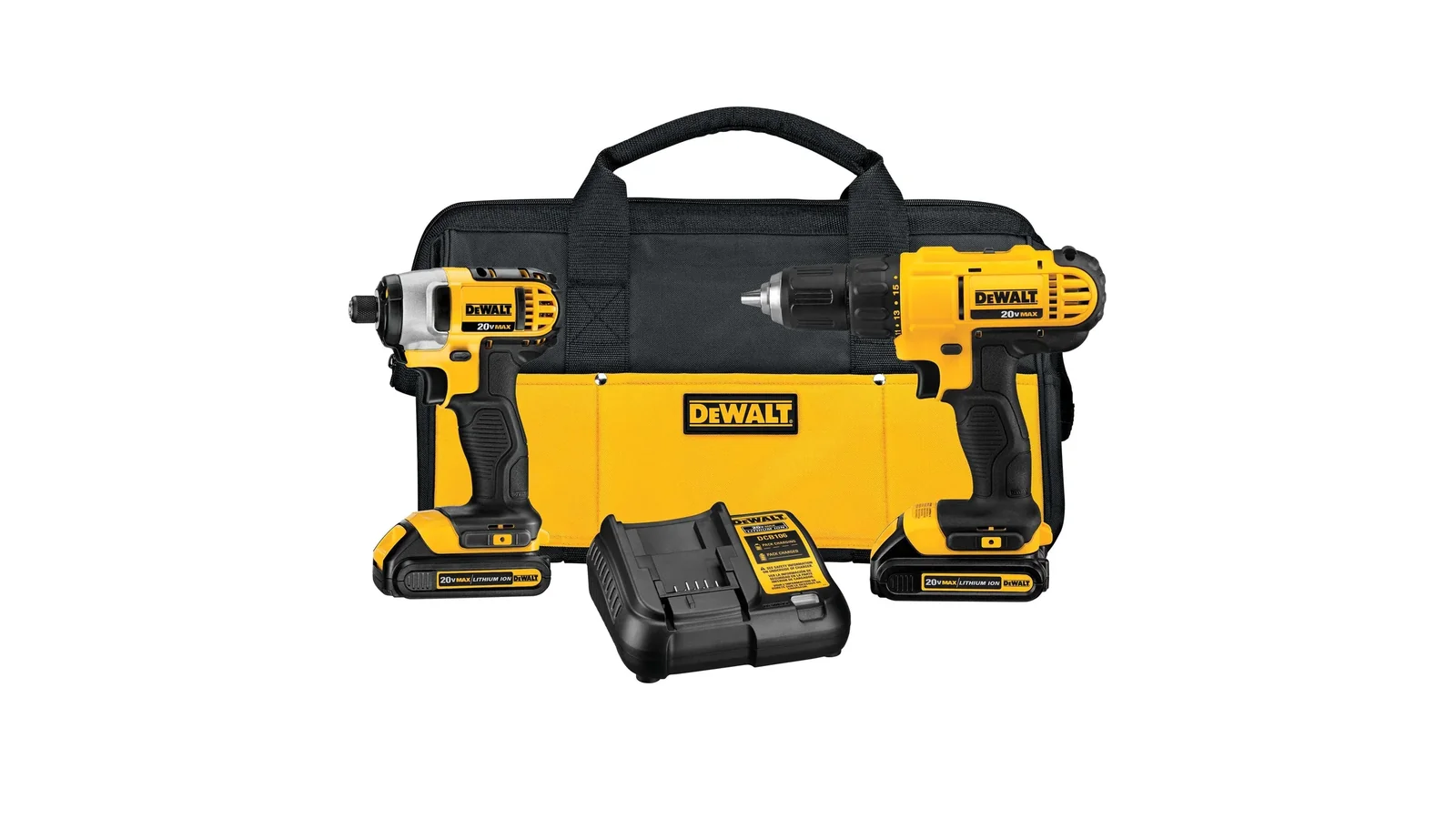
DEWALT DCK240C2 20V MAX Drill and Impact Driver Combo Review: Real-World Take
The DCK240C2 combo ended up in my truck for fence work, engine bay jobs, and a kitchen install. The tools are solid—the 1.3Ah batteries are not.
 The Handyman Apr 15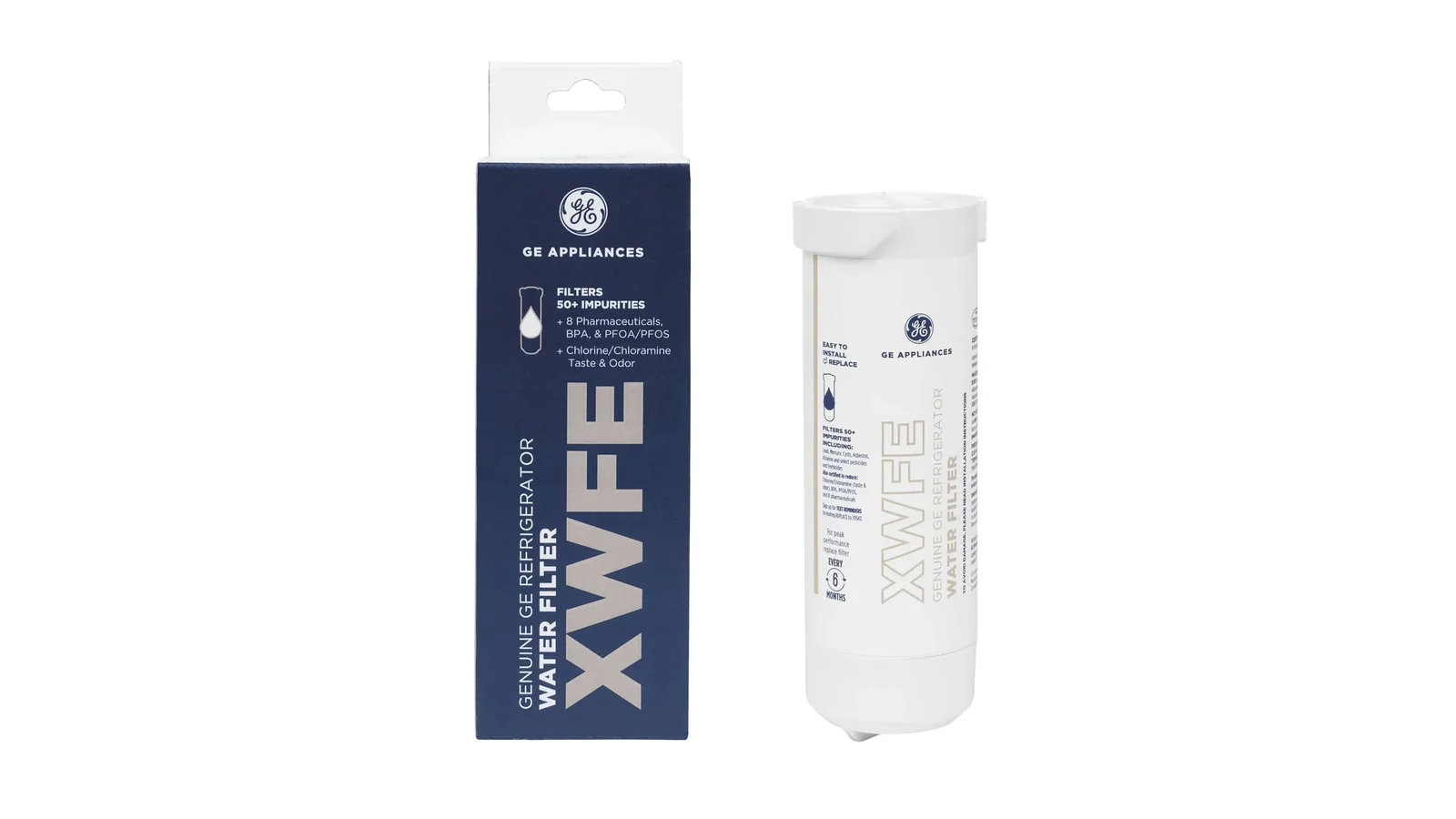
GE XWFE Refrigerator Water Filter Review: Pay the Toll or Go Without
The GE XWFE is a five-minute swap that costs $50 every six months and locks out every aftermarket filter. Here's when it's worth it.
The Handyman Apr 15 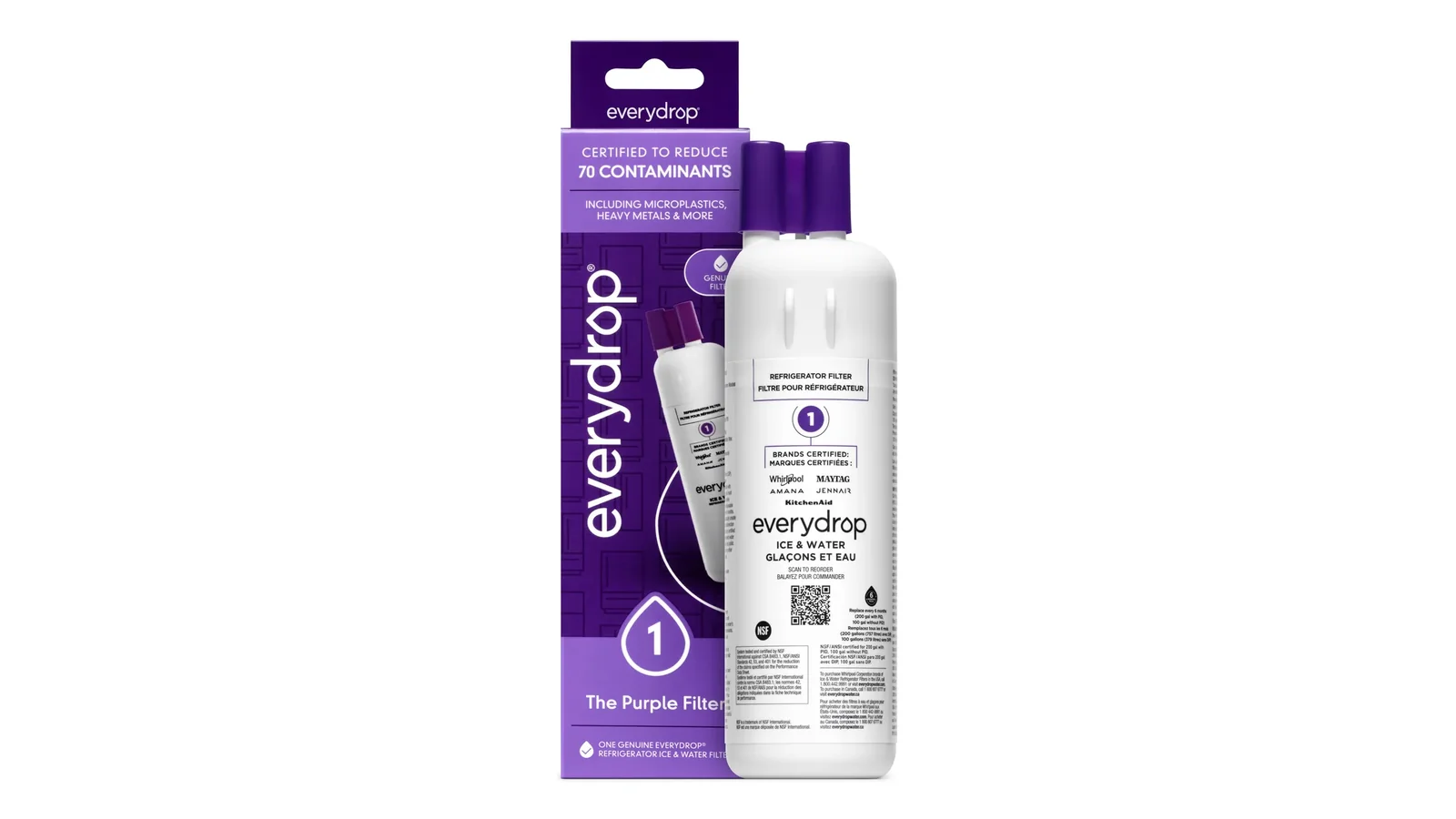
Whirlpool EDR1RXD1 Review: The OEM Fridge Filter, Flushed and Tested
Swapped the $37 EveryDrop Filter 1 into a 2017 Whirlpool side-by-side, flushed four gallons, and tested what the OEM filter actually does to chlorine taste.
The Handyman Apr 15 
Best Budget DIY & Tool Picks: Seven Sub-$30 Items That Punch Way Above Their Price
Seven sub-$30 DIY picks I kept using: a 40-piece screwdriver kit, DeWalt drill bits, Fiskars pruners, bands, a mouse, paint, and a scale.
 The Budget Hunter Apr 18
DeWalt 14-Piece vs 21-Piece Titanium Drill Bit Sets: Which One Lives in the Drill Bag
The 14-piece rides in the drill bag for daily pilot work. The 21-piece fills the fractional gaps and stays in the shop.
The Handyman Apr 18 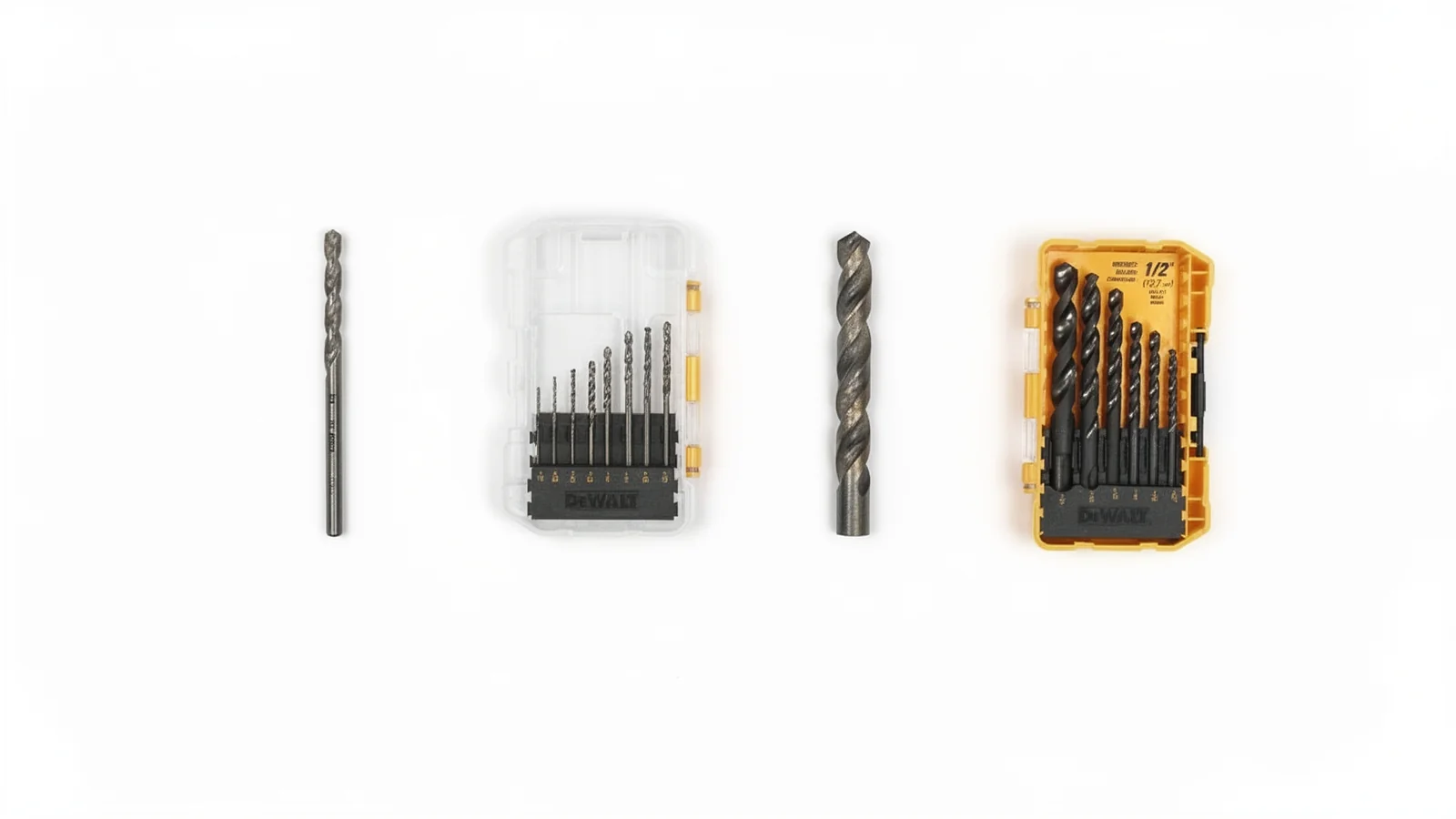
Best Drill Bit Sets for Homeowners: A Handyman's Take
Three sets tested across a garage rack, a vanity swap, and a snapped grade-8 bolt. One for daily drives, one for size coverage, one for the steel that eats HSS.
The Handyman Apr 17