In this review
I had four pounds of pork shoulder on the counter, a braise going on the back burner, and hands I hadn’t dried in an hour. My old water bottle had a screw top that needed two clean hands to open. The HydroJug Traveler sat next to the cutting board with its flip straw already up. I leaned over, took a pull, and kept breaking down the shoulder. That was the moment I understood what this bottle was actually for.
Then I threw it in the car, drove to the farmers market for scallions and mushrooms, and the ice I’d loaded at 9 a.m. was still rattling when I got home at 1 p.m. Worth noting.
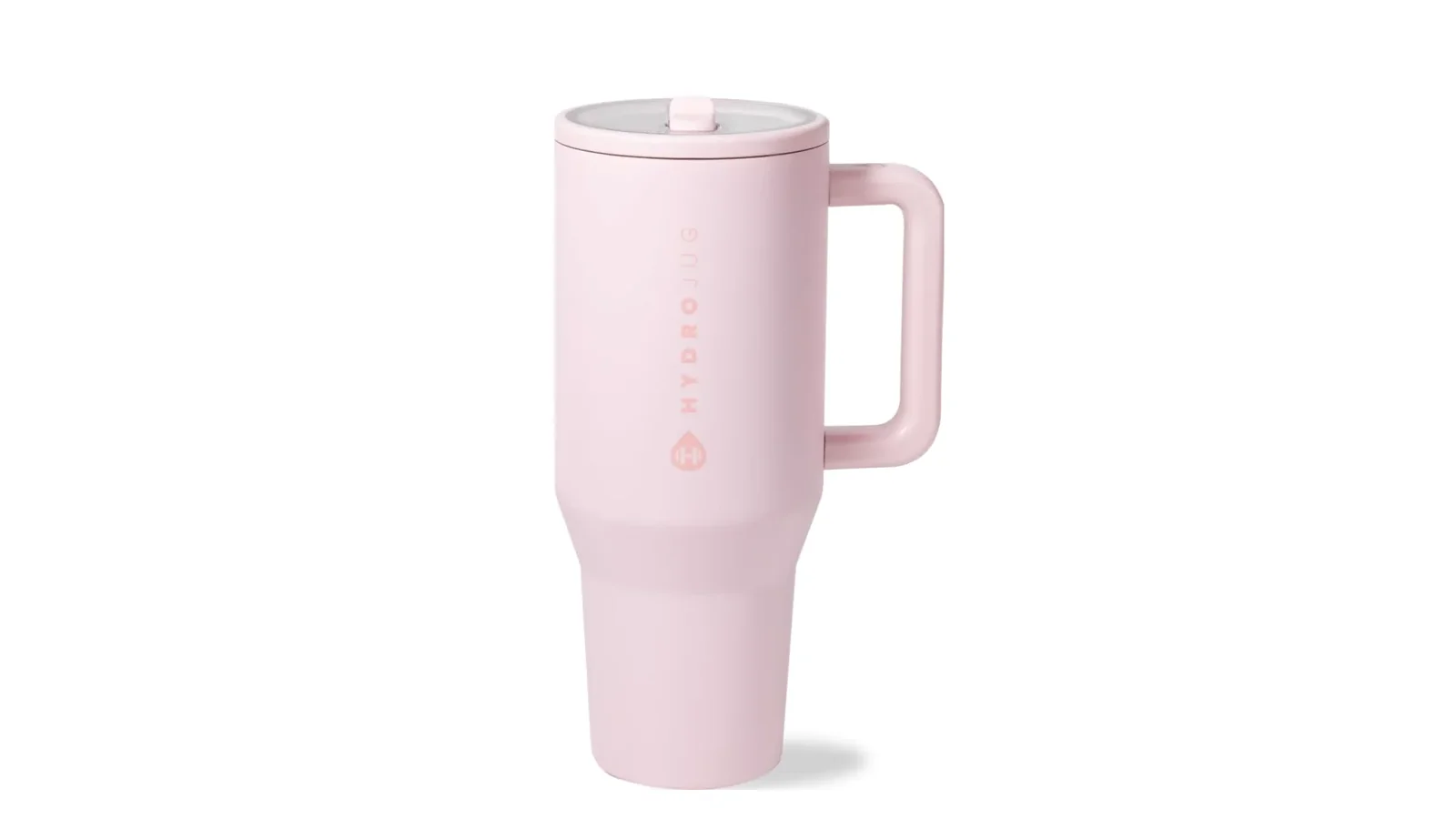
HydroJug Traveler 32oz Water Bottle
A 32-ounce triple-wall insulated stainless steel tumbler with a grip handle, flip-up straw lid, and a silicone non-slip base. Fits a standard car cup holder. Dishwasher safe. Straw disassembles for cleaning. Available in several colors.
Rating Breakdown
Rating breakdown
Why a Water Bottle Matters in the Kitchen
I cook five or six nights a week. By hour two, my hands are a mess of raw garlic, chicken fat, or flour, and the last thing I want to do is unscrew a lid. The flip straw on this bottle solves that. Elbow nudge, head tilt, drink. The straw circle is wide enough that you actually get water, not a thin sip that leaves you working for it.
The handle is the other thing. When I finally stop to wash hands and take the bottle to the dining table or out to the car, I can hook one wet finger through the loop and carry it. A straight-wall Stanley requires a proper grip. This one asks for nothing.
Ice Retention Under Actual Use
I did the test I always do. Filled it with eight standard grocery-store cubes (the rectangular kind a freezer tray makes, not spheres or crushed) and cold tap water at 9 a.m. on a Saturday. Took it to the market. Took it to the kitchen. Set it next to a running oven for ninety minutes while I roasted carrots at 425. Opened the lid at 5 p.m. Four cubes still swimming, water still cold enough to fog the outside of the bottle.
Triple-wall insulation earns its marketing here. My old Hydro Flask does similar work, but the HydroJug stayed cold longer on the oven-adjacent test. I think the rubber base insulates the bottom from conducted heat off the counter, which matters more than you’d expect in a working kitchen.
The outside never sweat. Even the one time I filled it with ice and left it on a wood cutting board for two hours, the board was dry. Small detail. If you’ve ever had a bottle leave a ring on a prep surface while you’re plating, you care.
The Leak Story Is Complicated
Amazon reviewers and I agree on this. It is leak resistant, not leak proof.
I tested it three ways. Straw up, bottle tipped on its side for twenty seconds: a few drops came out through the straw. Straw down (closed), bottle flipped upside down in a grocery bag for five minutes: nothing. Straw down, bag tossed into the back seat with a bag of apples: nothing.
So the takeaway. If you close the straw, it holds. If you walk out of the house with the straw flipped up and then throw it in a tote, you will find your cookbook damp. Not a dealbreaker. Something to know.
Cleaning Is Where This Bottle Wins
I am picky about bottles because I use mine for more than water. Electrolyte mix leaves residue. Cold brew stains. The Traveler’s straw comes apart in three pieces: the flip lid, the straw itself, and the rubber gasket. All three go in the top rack. I also ran the full bottle through a dishwasher cycle after a week of cold brew experiments. No smell, no staining, no film on the inside wall.
Compare that to a Stanley Quencher, which I also own. The straw on my Stanley is a single piece you cannot fully separate. I’ve been scrubbing the inside with a thin brush for two years. The HydroJug straw, by contrast, is actually washable. That difference matters after a month.
The Quiet Bottom
One small detail that sold me. The silicone base is thick, maybe a quarter inch. You can set this bottle down on a quartz counter at 6 a.m. without waking your partner. My Stanley clanks. My Yeti clanks. The HydroJug lands with almost no sound.
If you cook early or late, or share a small kitchen, this is a real feature.
Where It Falls Short
The price is the main complaint. At $49, this is premium-tier. A basic insulated bottle runs $20. You are paying for the handle, the cup-holder fit, and the dishwasher-safe straw system. If you never take a bottle out of the house and never run one through a dishwasher, save your money and buy a cheaper option.
The straw is also not ideal for hot drinks. Triple-wall insulation will keep coffee hot, but sipping 170-degree coffee through a plastic straw is not the experience you want. I use mine exclusively for cold drinks. A separate mug handles coffee.
And the colors. I bought Pink Sand based on the product photos. It arrived a softer, more muted pink than the listing image showed. Not bad. Just calibrate your expectations if you’re buying for a specific aesthetic.
Who Should Buy This
You, if:
- You cook regularly and need a bottle you can operate with one messy hand
- You drive often and need something that actually fits a cup holder at 32 ounces
- You drink cold brew, electrolytes, or anything that stains and demands real cleaning
- You hate kitchen noise at dawn
Skip it if:
- You only drink hot coffee or tea
- You want a truly leak-proof bottle for a backpack with electronics
- You are fine with a $20 bottle that you replace every year
How It Compares to the Obvious Alternatives
I own an Owala FreeSip 24oz (around $24) and a Stanley Quencher 30oz (around $35). The Owala has a better one-hand sip-or-gulp dual spout. The Stanley has more capacity in a shorter footprint and costs $14 less than the HydroJug.
The HydroJug wins on two specific axes: the silicone base is quieter, and the straw disassembles for real cleaning. If either of those matters to you more than a two-mode spout or a lower sticker price, this is the pick. If you want the cheapest solid option, the Stanley at $35 still holds up.
Final Take
After three weeks of daily kitchen and car use, the HydroJug Traveler earned its place next to my cutting board. It is not the cheapest bottle. It is not the loudest bottle in the cup-holder-tumbler category. It is quietly the most useful one I’ve owned for cooking, which is a specific compliment but the one that matters to me.
If you’re shopping for more kitchen essentials that earn their keep, browse our full cookware category for tested recommendations.
Also featured in
Related reviews
Stanley Quencher vs HydroJug Traveler vs Owala FreeSip: Which Tumbler Actually Fits Your Day
Three tumblers on the prep counter at 6 a.m.: Stanley for the desk braise, HydroJug for the handle carry, Owala for the leak-proof bag toss.
 The Foodie Apr 18
Best Kitchen Essentials Under $40: Seven Small Upgrades That Actually Change How You Cook
Eight months testing seven sub-$40 kitchen tools across sourdough, spatchcocked chicken, and sheet pans. The three that changed how I cook.
The Foodie Apr 18 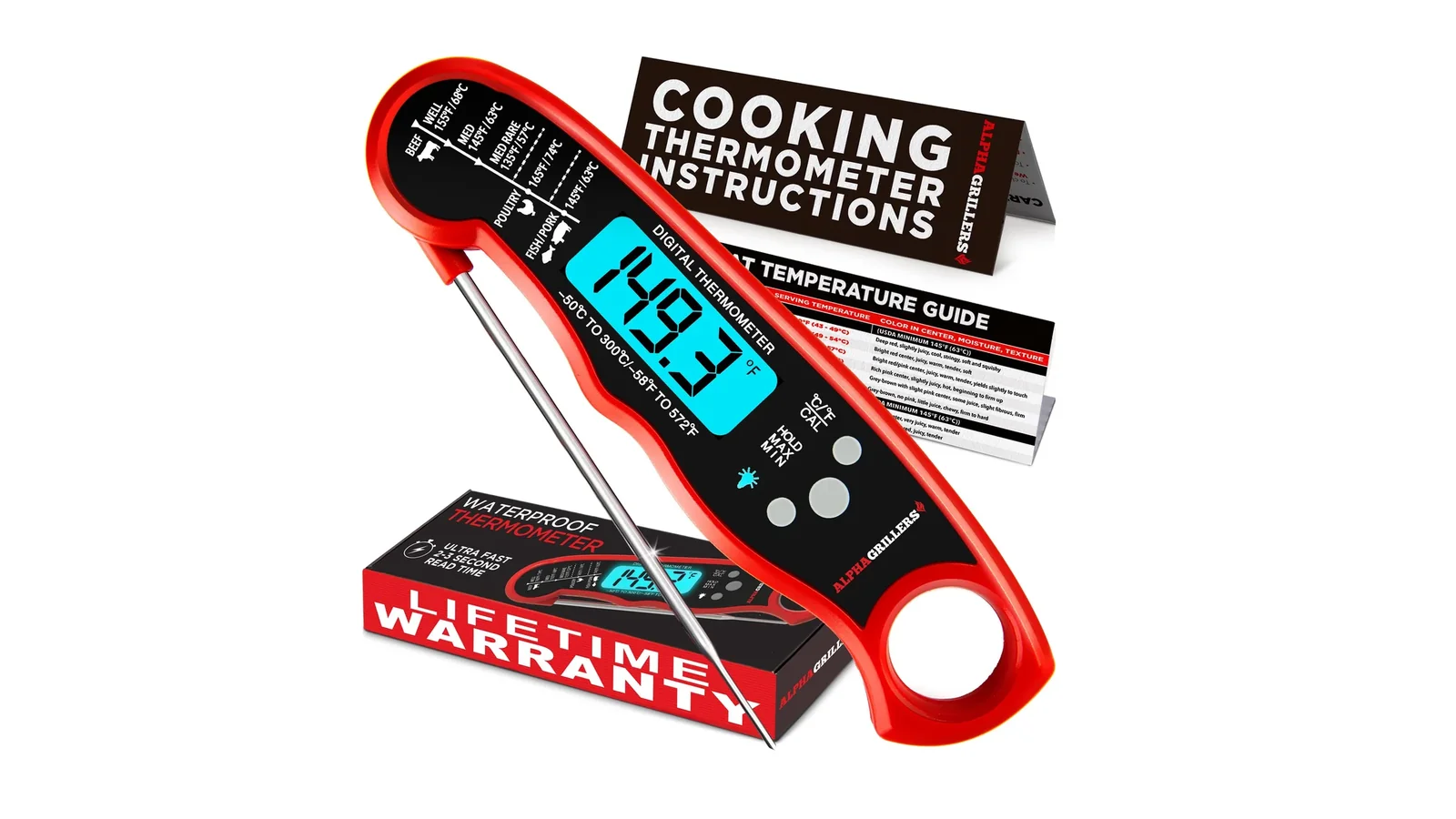
Alpha Grillers Meat Thermometer Review: The $13 Truth Teller
I tested this $13 instant-read thermometer for six weeks on everything from roasts to caramel. It reads in 2 seconds and never left me guessing.
The Foodie Apr 15 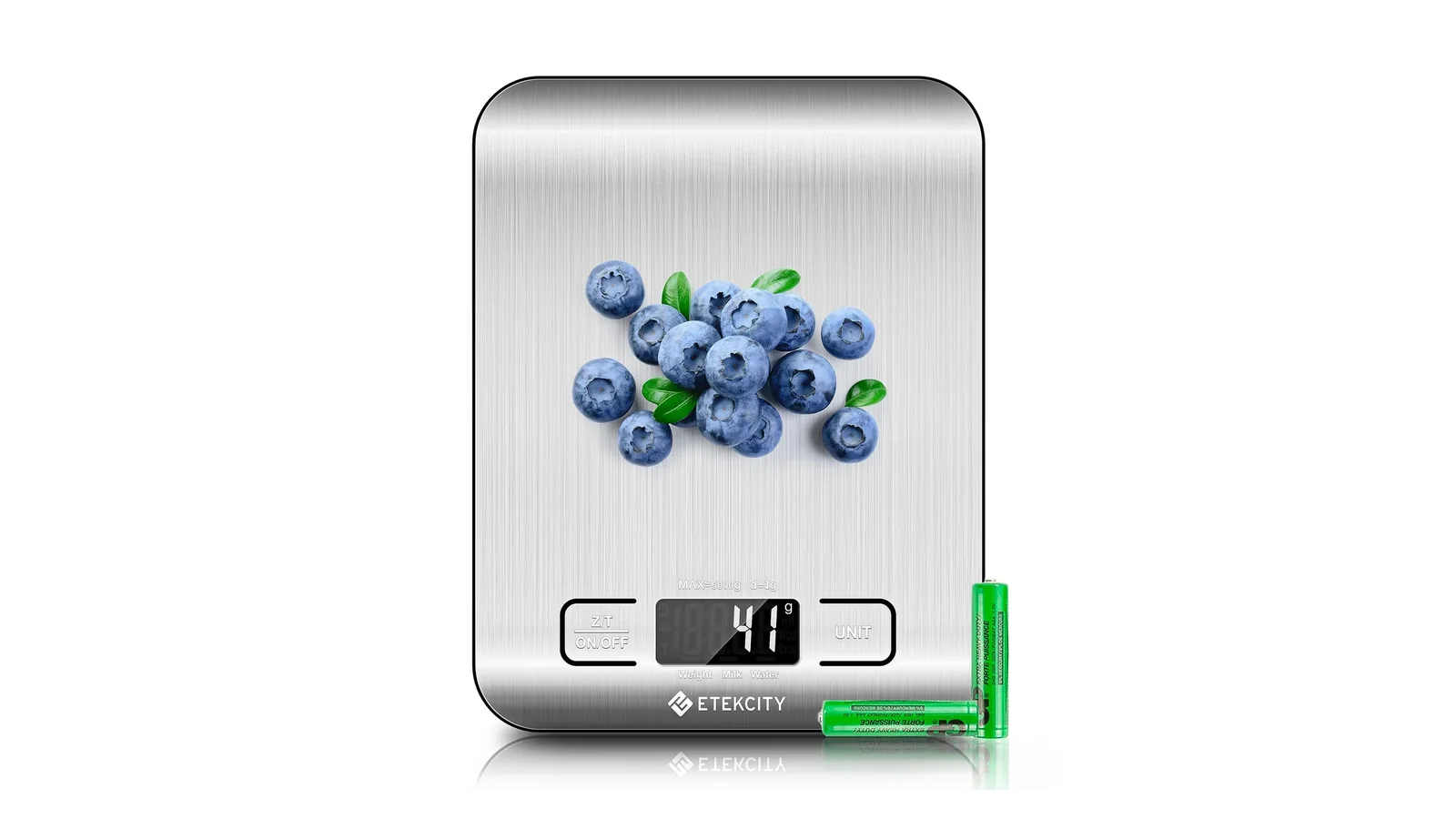
Etekcity Digital Kitchen Scale Review: A $20 Workhorse
This $20 scale survived eight months of sourdough, coffee dosing, and one full espresso spill. Still reads to the gram.
The Foodie Apr 15 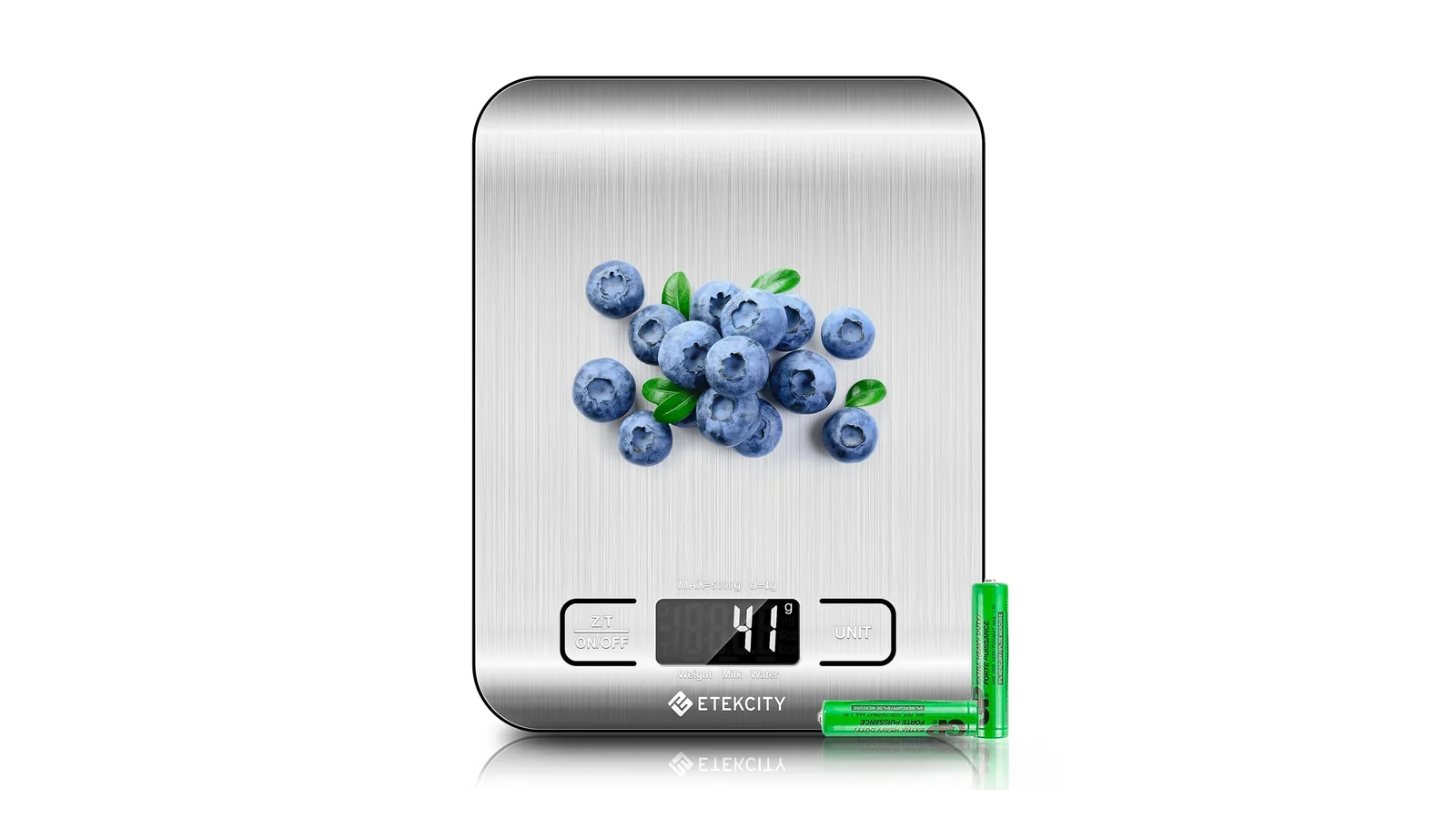
Etekcity Kitchen Scale: Best Value Under $14
The $14 Etekcity does 90% of what a $55 OXO does. I tested accuracy with calibration weights and ran the cost-per-use math.
 The Budget Hunter Apr 15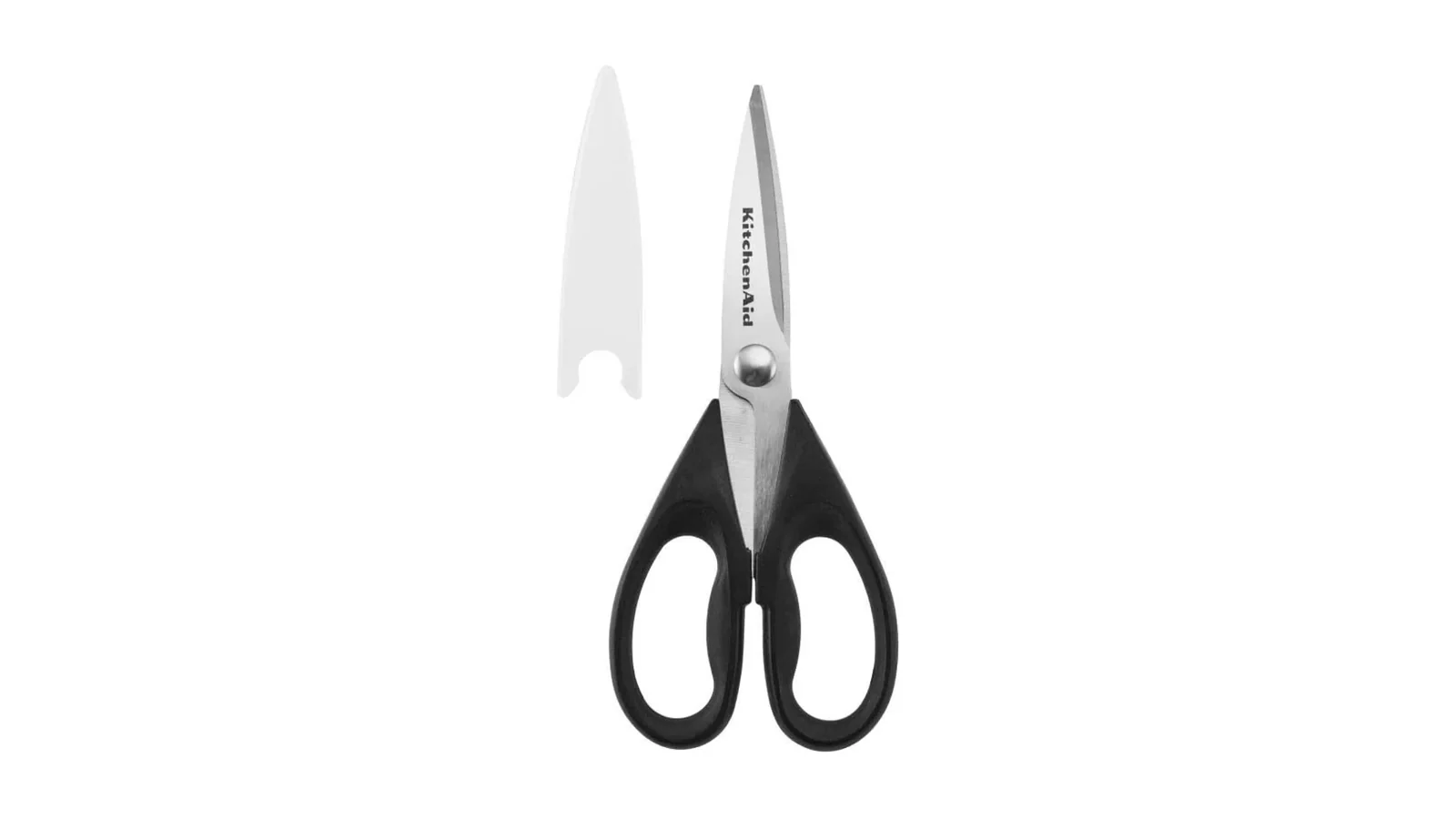
KitchenAid All Purpose Kitchen Shears Review: The $8 Drawer Tool
Spatchcocked a whole chicken in thirty seconds with these eight-dollar shears. The micro-serrated blades bite through skin without slipping.
The Foodie Apr 15