In this review
The first diaper change after the hospital sent us home was the one that convinced me. My nephew was four days old, still working through meconium, and the 24-hour nurse had sent us off with a handful of Huggies Little Snugglers tucked into the discharge bag. His mom opened the 31-count pack at 2 AM during the first real blowout. The diaper did its job. The pocketed waistband, which I had previously dismissed as marketing, caught what would otherwise have been a full outfit change and a stripped bassinet.
That is the week these diapers were designed for. Not month two. Not the growth spurt. The week where nobody is sleeping and the poop is sticky and the cord stump is still attached.
Huggies Little Snugglers Newborn Diapers 31-Count
A single jumbo pack of 31 Size Newborn diapers (up to 10 lbs), roughly $9.94 at full price. Features a pocketed waistband for meconium containment and an umbilical cord cutout. Hypoallergenic and fragrance-free. Made without parabens or elemental chlorine, no added lotions, no phthalates, no natural rubber latex. 4.8 stars across 88,000+ ratings.
Rating breakdown
The pocketed waistband is the point
Every newborn diaper claims blowout protection. Most of them mean side leaks. Little Snugglers is the only leading national brand with a front-and-back blowout blocker on sizes 1 and 2, and the newborn version carries a similar pocketed design at the back. If you have never changed a meconium diaper, imagine tar with the consistency of warm honey. That is what this pocket is for. It holds.
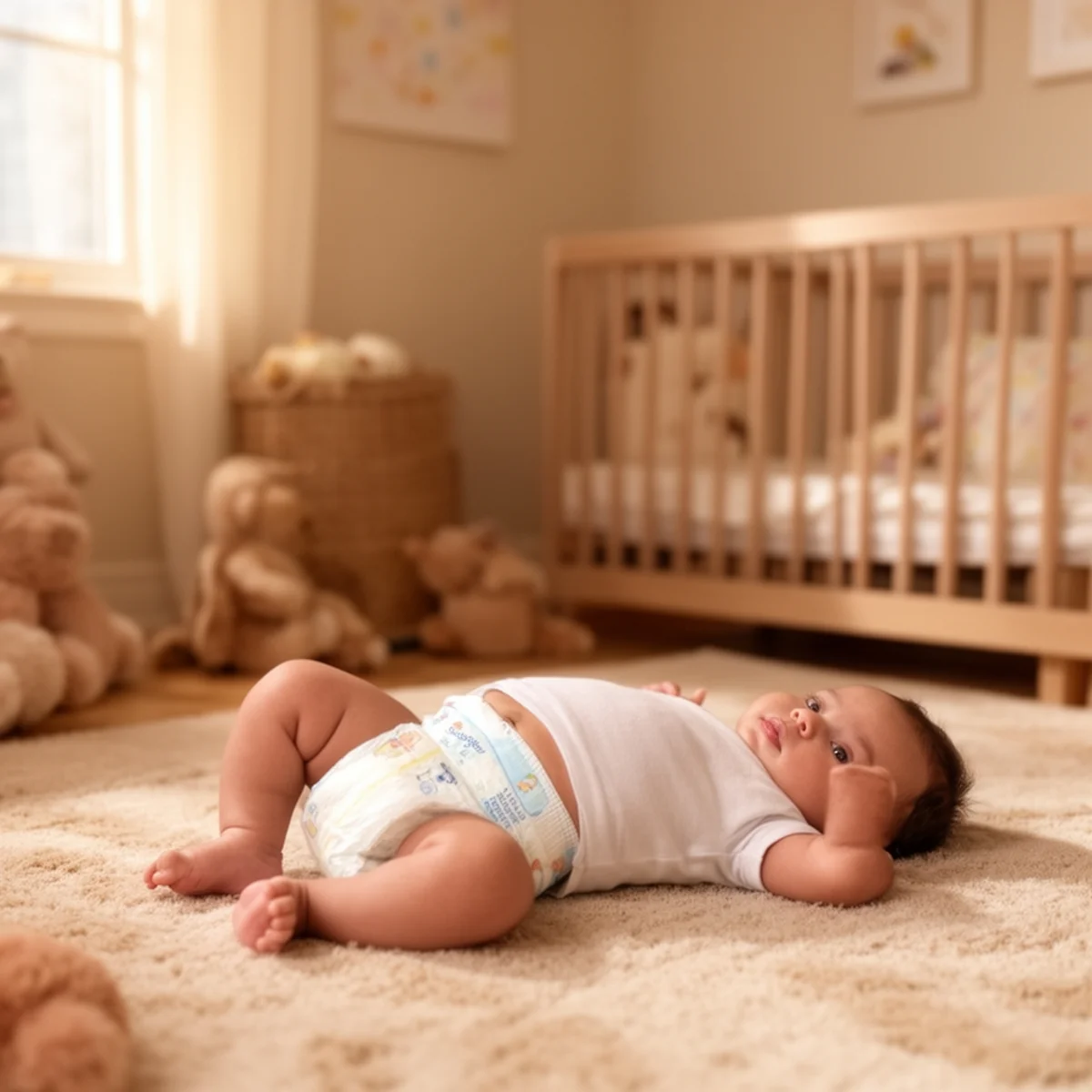
Amazon’s own aggregated customer-says summary flags “leak-proof” as the most mixed aspect of this product, which tracks with my experience. The blowout pocket is excellent against the specific thing it was designed to catch. Overnight, once the volume is heavier and the baby is in a single position for four hours, leaks can happen at the leg cuffs. That is true of every newborn diaper I have ever used.
Across the review corpus, quality skews heavily positive. So do fit and softness. Comfort and absorbency track the same way. The two aspects that pull the rating down in aggregate are leak-proof performance (17 mentions, mixed) and skin irritation (8 mentions). With a sample size of 88,000 ratings and 87% of them at five stars, skin irritation at single digits is noise, not signal. But it happens to someone’s baby. If your baby is that baby, no diaper brand is universally safe. A dermatologist trip matters more than the review aggregate.
The umbilical cord cutout is not a gimmick
The front of a newborn Little Snuggler dips low. That dip exists so you can fold the diaper under the cord stump without pressing wet diaper material against a healing scab. The stump falls off somewhere between day five and day three weeks. Until then, you want the diaper below it.
I have watched two different new parents fold down a regular Size 1 diaper with their fingers, trying to create the same clearance. It works, but barely, and it shifts during changes. The cutout does this for you at 3 AM when nobody’s fine motor skills are online.
Fit on actual newborns
My nephew came home at six pounds, ten ounces. The “up to 10 lbs” range covered him through week three, at which point we transitioned to Size 1. A friend’s baby came home at eight pounds and lasted about two weeks in the same range. This is your reminder that “newborn size” is a two-to-four-week product, not a month-plus one. Buy accordingly.
The fit around the thighs is snug without being tight. Huggies runs slightly smaller in the leg than Pampers Swaddlers, which matters if your baby has meatier legs out of the gate. Softness is real, not marketing. The inner liner is smooth enough to stop worrying about rubbing against a fresh-from-the-womb torso.
One French-speaking reviewer wrote that beyond around size 3, Huggies gets bulky and starts bothering the child. That matches what I hear from parents of movers. For the first month, though, nobody cares about bulk because the baby is not crawling.
Why 31 count and not 84
A newborn goes through ten to twelve diapers a day. Twelve on the heavy days in the first week, eight by week three. Do the math and 31 diapers is about three days for a newborn, maybe four if you stretch. There are still three reasons to start with the small pack.
First, you do not know what size your baby will be at birth. Buying a case of 84 newborn diapers at your baby shower is a gamble. If your baby arrives at 9 pounds, you may get two weeks out of them, maybe less. A 31-pack lets you confirm the fit and watch for skin reactions before committing to a bigger box.
Second, a 31-pack fits in a hospital bag or a go-bag. You do not need a case of diapers in the car on delivery day. You need enough to get through the first 48 hours, plus the ones the hospital sends home with you. A jumbo pack covers that exactly.
Third, this is the right size for a shower gift. A full case might never get opened, and nobody wants to be the gift-giver of an unused bulk box. The 31-pack will be finished by Wednesday and remembered fondly on Thursday when the parents order the big box.
Real-world testing: the first two weeks
I was around for seven nights of the newborn phase at my sister’s house. The Little Snugglers handled four full meconium diapers without a leak. One minor pee leak at a leg cuff on night six, during a marathon sleep stretch. No blowouts reached clothing in the first week, which is the actual KPI for any newborn diaper.
The wetness indicator line turns blue when the diaper is wet. At 3 AM, with the nightlight as your only light source, this is worth more than any marketing feature. You glance at the line, make the call on whether to change or let the baby keep sleeping, and get back to bed.
We tried the car seat hand-off maneuver where you change the baby on the folded-down back seat of a sedan, in a parking lot, because the rest stop bathroom had no changing table. The pack opened flat. I pulled one out with the hand that was not holding an ankle. The tabs went on cleanly.
What could be better
The pack count is genuinely limiting. If you are buying these as primary supply instead of a starter pack, the cost per diaper pushes you toward the 84-count jumbo or the Costco Kirkland newborn box. At roughly 32 cents per diaper in the 31-pack, you are paying a convenience premium. The 84-count drops that significantly.
The packaging also rotates designs, which is a zero-impact complaint except that you cannot match the pack to your nursery aesthetic, which we have established matters to exactly nobody changing a 3 AM diaper.
And the leak-proof claim is oversold. Huggies markets “up to 100% leakproof even for blowouts.” The pocket catches blowouts well. Overnight pee leaks at the leg cuff happen on a minority of nights, especially once the baby is past seven pounds. No newborn diaper is immune to this. Adjusting expectations is the move, not switching brands.
Who should buy this specific pack
Expecting parents who want to test a brand before committing to a case. Baby shower gift-givers who want to show up with something useful. Grandparents stocking a house for weekend visits. Anyone assembling a hospital bag or a go-bag. Parents who need a couple more days of diapers between Costco runs.
If you have already confirmed your baby does well in Huggies and you are past week two, skip this pack and get the 84-count or the economy box. The per-diaper math changes.
If your baby has confirmed eczema or skin reactions to other Huggies products, talk to a pediatrician before committing to a case of any brand. Pampers Pure Protection and The Honest Company are the usual pediatrician-recommended alternatives. This is not the pack to stress-test a sensitive skin baby at scale.
The bottom line
The Little Snugglers Newborn 31-count is the best first diaper I have seen come home from a hospital. The pocketed waistband earns its keep during the meconium weeks. The umbilical cord cutout is a small detail that pays off at 3 AM. The softness and fit are a noticeable step up from store brands in the newborn size specifically.
It is not the pack to build a supply on. It is the pack that gets you through the first week and lets you confirm the brand before committing to a case. It is also the right thing to hand a friend at a shower. Rated in that context, it earns an 8.
If you’re stocking up on early essentials, browse our full baby category for more tested gear.
Also featured in
Related reviews
Huggies Little Snugglers vs Pampers Swaddlers: Which Newborn Diaper Actually Holds Overnight
Two hospital-bag favorites tested on meconium containment, overnight leg-cuff leaks, and umbilical-cord clearance.
 The Parent Apr 18
Huggies Natural Care vs Pampers Sensitive vs WaterWipes: Three-Way Baby Wipe Test
Four months of real use across three sensitive wipes: Huggies Natural Care at 2.9¢, Pampers Sensitive at 2.4¢, WaterWipes at 4.5¢ per wipe.
The Parent Apr 18 
Best Newborn Care Essentials: The Six Products That Earned Our Restock Rotation
Six diaper, wipe, and ointment picks that survived meconium week, 2 AM blowouts, and a four-month eczema patch. The ones we quietly reorder.
The Parent Apr 18 
Pampers Swaddlers Size 5 Review: The 132-Count Box Through a Toddler Year
A 132-count bulk pack of Pampers Swaddlers Size 5 sounds like a lot until you are changing a 28-pound toddler five times a day.
The Parent Apr 17 
Aquaphor Baby Healing Ointment Review: The 14 oz Jar That Lives By the Changing Table
The 14 oz tub of Aquaphor has been in our diaper caddy since the hospital. Greasy, ugly, and probably why we've never had a real diaper rash.
The Parent Apr 17 
Huggies Natural Care Sensitive Baby Wipes Review: The Eczema Seal Actually Means Something
768 wipes, one eczema seal, and two weeks of blowouts later—here's whether Huggies Natural Care actually lives up to the sensitive-skin hype.
The Parent Apr 15