In this review
The first time a pediatric nurse handed us a tiny sample jar of Aquaphor, my son was about six hours old and I had no idea what I was supposed to do with it. She said, quietly, “Put a thin layer on at every diaper change. You will thank me.” Three kids later, the 14 oz jar has moved to whatever house we live in, whatever diaper caddy is currently in rotation. It has outlived two strollers, four pacifier brands, and one marriage-testing sleep regression.
This is the Aquaphor Baby Healing Ointment, Advanced Therapy, in the big tub. Not the tube. The tub. We go through them.
Aquaphor Baby Healing Ointment Advanced Therapy, 14 oz Jar
Fragrance-free, 41% petrolatum barrier ointment. Works for diaper rash prevention, drool rash, chapped lips, cradle cap, and the cracked hands you get from washing them forty times a day. The jar is the cheapest per ounce and the reason you will never run out at 2 AM.
Rating breakdown
What it actually is
Aquaphor Baby is petrolatum-based. Specifically 41% petrolatum, with lanolin and panthenol doing most of the secondary work, plus a little glycerin and bisabolol. It is fragrance-free, dye-free, and paraben-free. Preservative-free too. Hypoallergenic. The “Baby” version and the regular Aquaphor are almost identical formulas, but the Baby tub is the one pediatricians tend to recommend by name, so that is the one we buy.
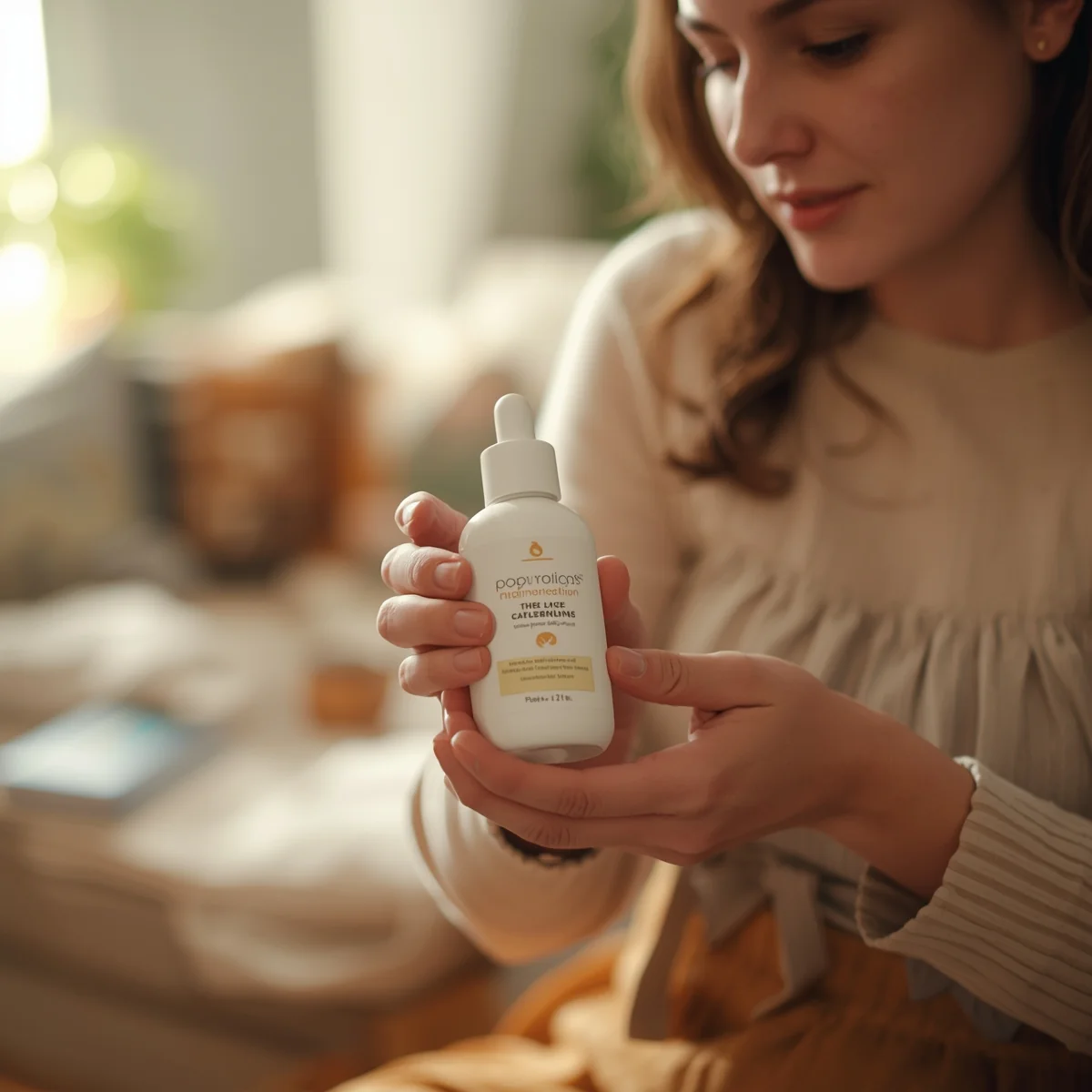
It is an occlusive barrier. That matters because it is the single biggest source of confusion I see with other parents. Aquaphor does not hydrate skin the way a lotion does. It seals in whatever moisture is already there and blocks irritants out. That is why it works so well for diaper rash prevention: urine and stool simply do not sit on the skin the way they would on bare surface. Think of it as a waterproof jacket for a tiny butt.
If you are treating an active bright-red diaper rash that is already angry, that is a different product. Aquaphor makes a separate Baby Diaper Rash Cream with 13% zinc oxide for that. The healing ointment is the preventative. The zinc cream is the fire extinguisher. Most parents need both, and most don’t know they’re different until someone tells them.
Safety
This is the easy part. Fragrance-free. Hypoallergenic. No parabens, no dyes, no preservatives. It is one of the most pediatrician-recommended products in the category, and the ingredient list is short enough to read in one breath. We used it on all three kids from the first diaper change in the hospital. Zero skin reactions across the board, which says something given our middle kid reacts to everything.
The only safety note that matters: do not use this on broken, weeping, or infected skin without talking to your pediatrician. An occlusive barrier is great at keeping moisture in, which is the opposite of what you want on a wound that needs to breathe and drain. For everyday prevention and mild irritation, it is as safe as baby products get.
Effectiveness
We have used the jar for:
- Diaper rash prevention (every change, since day one)
- Drool rash during teething, which in our house was a six-month bloodbath around the chin and neck folds
- Cradle cap on our oldest, massaged in before a bath
- Chapped cheeks in winter, when daycare pickup was a ten-minute walk in the wind
- Minor scrapes from toddler falls
- Cracked adult hands from washing pump parts eight times a day
- My own lips, every winter, because I gave up on fancy balms
It works. Not in some dramatic before-and-after way. It works in the sense that the problems you would otherwise be fighting simply do not show up. The best review I can give any baby product is “I forgot we had to worry about that,” and with diaper rash, I mostly forgot.
The flip side: if you don’t apply it consistently, or if you skip it because you were in a hurry at the 3 AM change, the rash you get will still be a rash. This is a preventative, and preventatives only work when you actually use them. The 14 oz jar makes that a lot easier, because you never feel like you are rationing.
Ease of use
Here is where the jar format earns its one complaint. You scoop with your fingers. Into the tub. After a diaper change. You see where this is going.
We have a two-finger rule at our house. Clean pinky and ring finger dip into the jar first, before the diaper comes off. Scoop enough for the change, close the lid, then deal with the diaper. It is not rocket science, but when you are alone at 2 AM and the baby is kicking and the pee fountain is in play, a clean dip becomes aspirational.
Some parents prefer the 7 oz tube for exactly this reason. The tube is more hygienic, you can operate it one-handed, and it travels better. Our compromise: we keep the 14 oz jar at the main changing station at home, and a 7 oz tube in the diaper bag and in the car. The jar is cheaper per ounce by a wide margin, and the tube is cleaner where it matters. Our other Parent-tested gear picks live in that same diaper bag.
The texture is thick. It is petrolatum. Some parents warm a small amount between their fingers first to make it spread easier, especially in winter when the jar has been sitting in a cold nursery. A nickel-sized amount covers a standard diaper area. Less than you think.
Cleanliness
This is the honest gripe. Aquaphor is greasy and it stains.
Cotton onesies. Muslin swaddles. The one crib sheet your mother-in-law bought you. If your baby is covered in ointment and then wriggles against fabric for ninety minutes, you will have a translucent grease mark. Most of it comes out in a hot wash with a stain stick, but not always. Dark fabrics are forgiving. White cotton is not.
The workaround is pants and onesies you do not care about for the first year. Which, let us be honest, is every piece of baby clothing you own by about month three anyway.
One more cleanliness note: the jar lid. Ours develops a slow crust of ointment around the threads within about two weeks of opening. A paper towel every so often keeps it from getting sticky. Nothing serious, just a thing that happens.
Value
This is where the 14 oz jar stops being a product and starts being a strategy. At its typical price, it works out to dramatically less per ounce than the 7 oz tube or the 3 oz squeeze. If you have a new baby, you will use the jar. Probably two, if you’re diligent.
A single 14 oz tub lasted us about four months of daily use during the newborn-to-six-month window. Tubes would have required us to reorder every three weeks. The jar is the smart buy for home. The tube is the smart buy for travel.
Real-world testing
We used this jar through two summers of heat rash around the neck folds, one winter of chapped cheeks, a cross-country flight where the cabin air turned my daughter’s lips into sandpaper by hour three, and exactly one post-swim diaper change in the back of a Subaru where I am fairly sure I got more ointment on the upholstery than on the baby.
The test that sold me on it, though, was less dramatic. Our middle kid had one bad diaper rash at around eight weeks, before we were being consistent. Pediatrician said zinc cream for three days, then switch to Aquaphor preventatively. We did. We have not had a real rash since, and he is almost three.
That is the real review. You stop thinking about the problem.
What could be better
The jar format is a compromise, and it shows. A pump dispenser would solve the hygiene issue overnight. It does not exist in this size, and I suspect it is because petrolatum is too thick to pump cleanly.
The staining is real. A formulation tweak to reduce greasiness would change what the product is, so I do not actually want them to fix this, but if you are buying it, budget for some clothing casualties.
The scent is nothing, which is the point, but some parents miss the light baby-lotion smell they associate with a clean baby. That is aesthetic, not functional.
Who should buy the 14 oz jar
Parents of a new baby who plan to use Aquaphor as a daily preventative. Households with multiple changing stations. Anyone who has already been through one tube and realized the jar is three times the volume for maybe 1.5 times the price.
Skip the 14 oz jar and get the tube if: you are a grandparent buying a single backup for occasional visits, you travel constantly and only need something for the diaper bag, or the hygiene of dipping fingers into a tub genuinely bothers you beyond what a two-finger rule can solve.
For more parent-tested essentials that actually survive the trenches, check out our parenting category.
Also featured in
Related reviews
Huggies Little Snugglers vs Pampers Swaddlers: Which Newborn Diaper Actually Holds Overnight
Two hospital-bag favorites tested on meconium containment, overnight leg-cuff leaks, and umbilical-cord clearance.
 The Parent Apr 18
Huggies Natural Care vs Pampers Sensitive vs WaterWipes: Three-Way Baby Wipe Test
Four months of real use across three sensitive wipes: Huggies Natural Care at 2.9¢, Pampers Sensitive at 2.4¢, WaterWipes at 4.5¢ per wipe.
The Parent Apr 18 
Best Newborn Care Essentials: The Six Products That Earned Our Restock Rotation
Six diaper, wipe, and ointment picks that survived meconium week, 2 AM blowouts, and a four-month eczema patch. The ones we quietly reorder.
The Parent Apr 18 
Pampers Swaddlers Size 5 Review: The 132-Count Box Through a Toddler Year
A 132-count bulk pack of Pampers Swaddlers Size 5 sounds like a lot until you are changing a 28-pound toddler five times a day.
The Parent Apr 17 
Huggies Little Snugglers Newborn Review: The 31-Count You Actually Need First
The pocketed waistband caught what would have been a full outfit change at 2 AM. This 31-count is three days of supply tops.
The Parent Apr 15 
Huggies Natural Care Sensitive Baby Wipes Review: The Eczema Seal Actually Means Something
768 wipes, one eczema seal, and two weeks of blowouts later—here's whether Huggies Natural Care actually lives up to the sensitive-skin hype.
The Parent Apr 15