In this review
The back yard had been a rental for nine years before we bought the place. Nobody had touched the lawn with anything but a mower, and by April the front strip looked like a dandelion convention. I had a herbicide jug in the garage and a six-year-old who wanted to play in the grass. The jug went back on the shelf.
I bought Grampa’s Weeder on a Tuesday. By Saturday morning I had a five-gallon bucket half full of taproots.
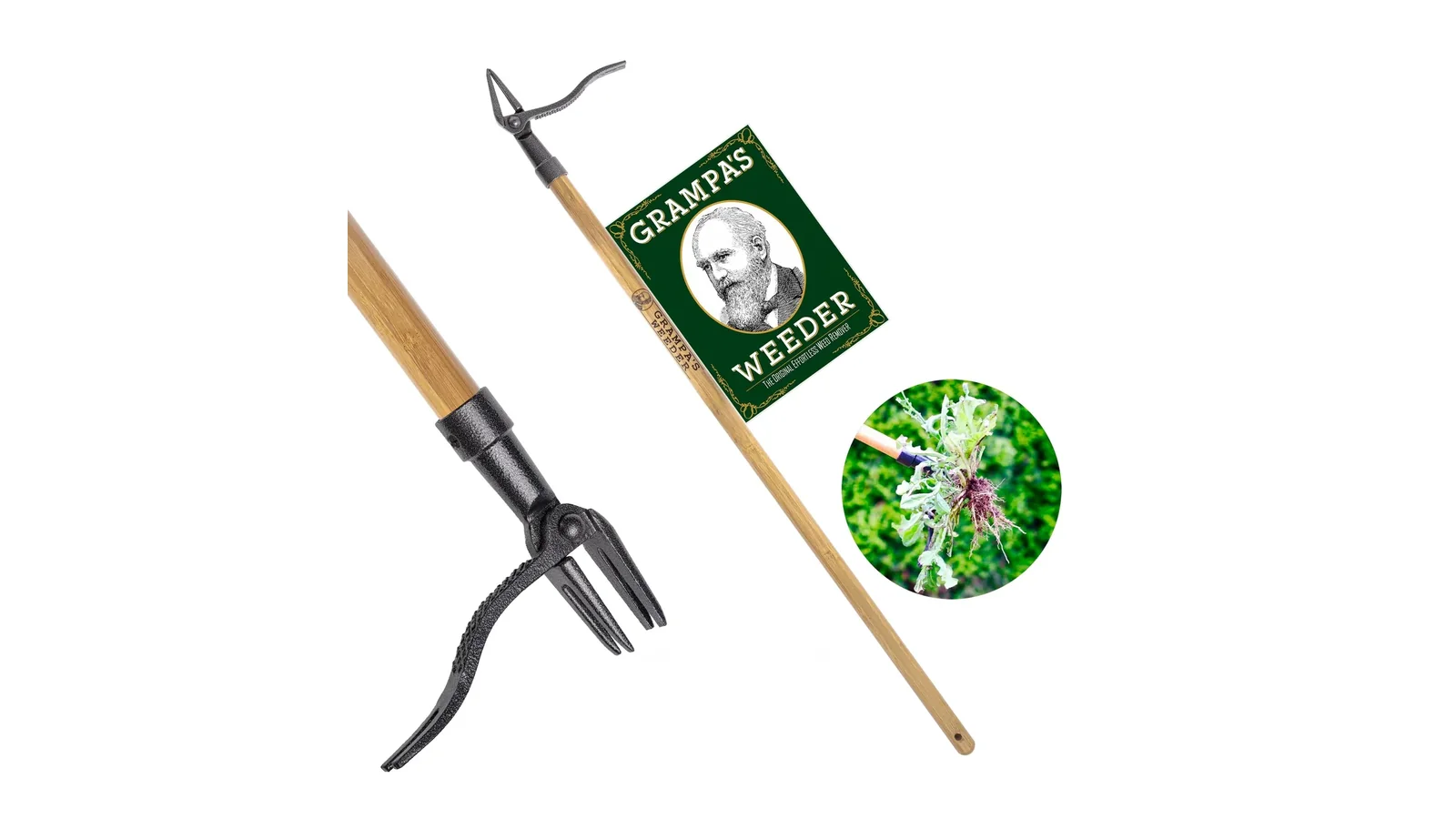
Grampa's Weeder Stand Up Weed Puller
A 45-inch bamboo handle, a 4-claw steel head, one moving part, and a design that was patented in Seattle in 1913. Chemical-free, kid-safe, and built by a family shop in Oregon. It pulls dandelions and taproots out whole when you use it right.
Rating breakdown
How It Actually Works
There are no batteries, no app, no trigger. You center the four claws over the weed, step on the footpad, then take your foot back off. You lean the handle toward the footpad and the head pivots on the pad, the claws pinch the crown of the weed, and the whole plant comes out of the ground. Root and all, if the soil cooperates.
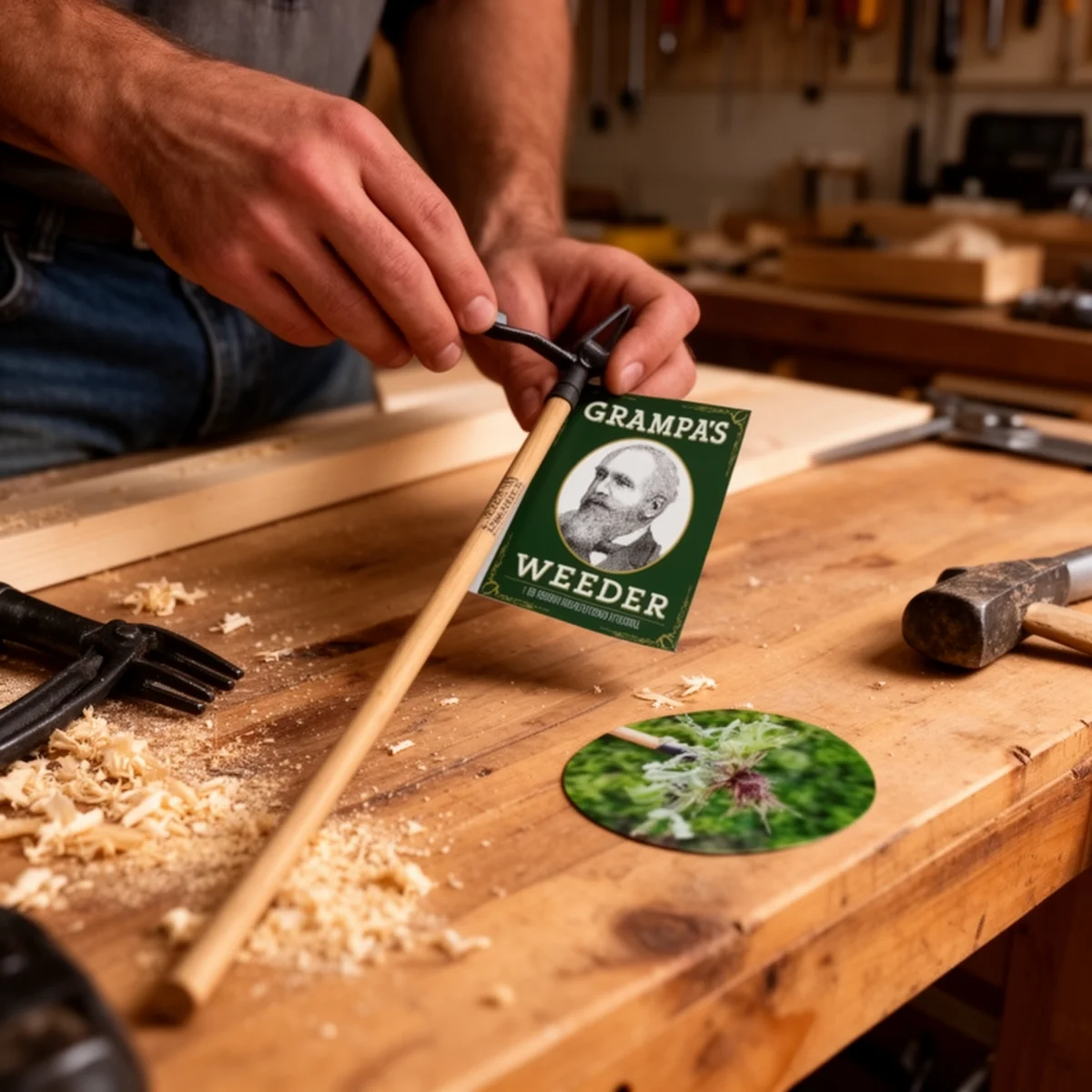
That last part is the whole review in one line. Soil that cooperates means soil you watered yesterday or soil that got a real rain two days ago. Dry clay gives you broken roots and a sore shoulder.
Build Quality
Bamboo handle, steel head, a single rivet. Nothing rattles. Nothing flexes where it shouldn’t. The steel is thick enough that I was able to stand on the footpad with both feet and bounce (175 pounds, work boots on) without worrying about the weld. I can see this tool lasting twenty years if you keep it out of standing water. The bamboo is the weak link over time, but even there you’re looking at a slow graying, not a break.
Grampa’s Gardenware Co. revived the design in 1999 out of an Oregon garage after the wife’s husband found her mother’s original in a shed. The story reads like marketing copy, but the tool in your hand makes it believable. Somebody who cares about this product built this product.
Back and Knee Relief
This is the whole reason the tool exists, and it delivers. I pulled weeds for about ninety minutes on a Saturday and stood up from the job without the usual stiffness in the lower back. My knees never touched the dirt. For anyone with a bad back, knee replacements, or the kind of arthritis that makes kneeling a negotiation, this is the difference between weeding your yard and hiring someone to do it.
The 45-inch handle is sized for average height. I’m 5’11 and it felt right. A friend who is 6’3 borrowed it for an afternoon and said he still had to lean more than he wanted to, so if you’re over six feet plan on some forward lean.
Weeding Performance
Dandelions are what this tool was born to kill, and it kills them clean. You get the rosette, the crown, and the taproot in one motion, usually ten or twelve inches of root pulled intact. Plantain comes out the same way. Chickweed and henbit pull fine because their roots are shallow.
Where it starts to quit:
- Mature crabgrass mats. The claws are too small to grip the spreading crown. The tool just rides across the top.
- Deep taproots in dry soil. The claws get the crown but the root snaps off at six inches. The plant comes back in three weeks.
- Rocky ground. The footpad bottoms out on a rock and the claws never get deep enough to pinch. You feel the stop through your boot.
- Hard clay. Same story. You’re pressing into concrete with a foot pedal, and the claws just scrape.
Water the area the night before. That’s the fix for most of it. If you weed after a real rain, this tool works about 90% of the time. If you weed during a July drought, you’re going to be frustrated.
Versatility
It does one thing. It pulls weeds with a crown and a taproot. It’s not going to edge your flower beds, it’s not going to turn over soil, and it’s not going to do anything about a ground-cover weed like creeping Charlie. The one-trick nature is why it only pulls a 6 here. If you have a yard with mixed weed pressure, this is one tool in the kit, not the whole kit.
The Release Problem
Most reviews bury this part. Once the weed is pinched in the claws, you have to pull it off by hand. There is no trigger, no sliding release, no foot-operated ejector. On a big weeding session, that means you’re bending down anyway, just to wipe dirt clumps off the head. Not kneeling, but reaching. After about fifteen minutes I worked out a rhythm where I’d give the handle a sharp downward thump on the bucket rim and most of the roots would drop free. Works maybe 70% of the time.
A competing tool called the Weed Hound has a sliding collar that kicks weeds off. If you value that release mechanism, buy the Weed Hound. If you value a tool with one moving part that’ll still be working when your kid inherits it, buy this one.
Where I Used It
- The front strip rout. About 60 dandelions in a 12 x 4 foot patch, ninety minutes. Bucket half full. Back fine.
- The side fence line. Clay soil that had baked for a week. Maybe 12 weeds pulled cleanly, another 20 that broke off at the crown. I watered the strip that night and finished it the next morning in twenty minutes.
- My neighbor’s driveway cracks. A mess. The claws couldn’t get down between the concrete to grip anything. Wrong tool. I used a screwdriver.
What Could Be Better
- A release mechanism. Any release mechanism.
- A wider claw option for bigger crowns.
- A metal handle option for people who’ll leave it outside.
- Instructions printed on the handle. Reading the Amazon reviews, the single biggest complaint is that people twist or lift instead of leaning, and the tool gets blamed for their technique.
What It Replaces
A kneeling pad, a hand weeder, an ibuprofen routine, and a jug of herbicide. At $80 list (you can usually find it for less on a variant), the payback is a couple of weekends if you’d otherwise pay somebody, or one spring if you’re measuring in knee pain.
If you’re building a full DIY toolkit, check out our other tools and equipment reviews for everything from drill bits to pruning shears.
Related reviews
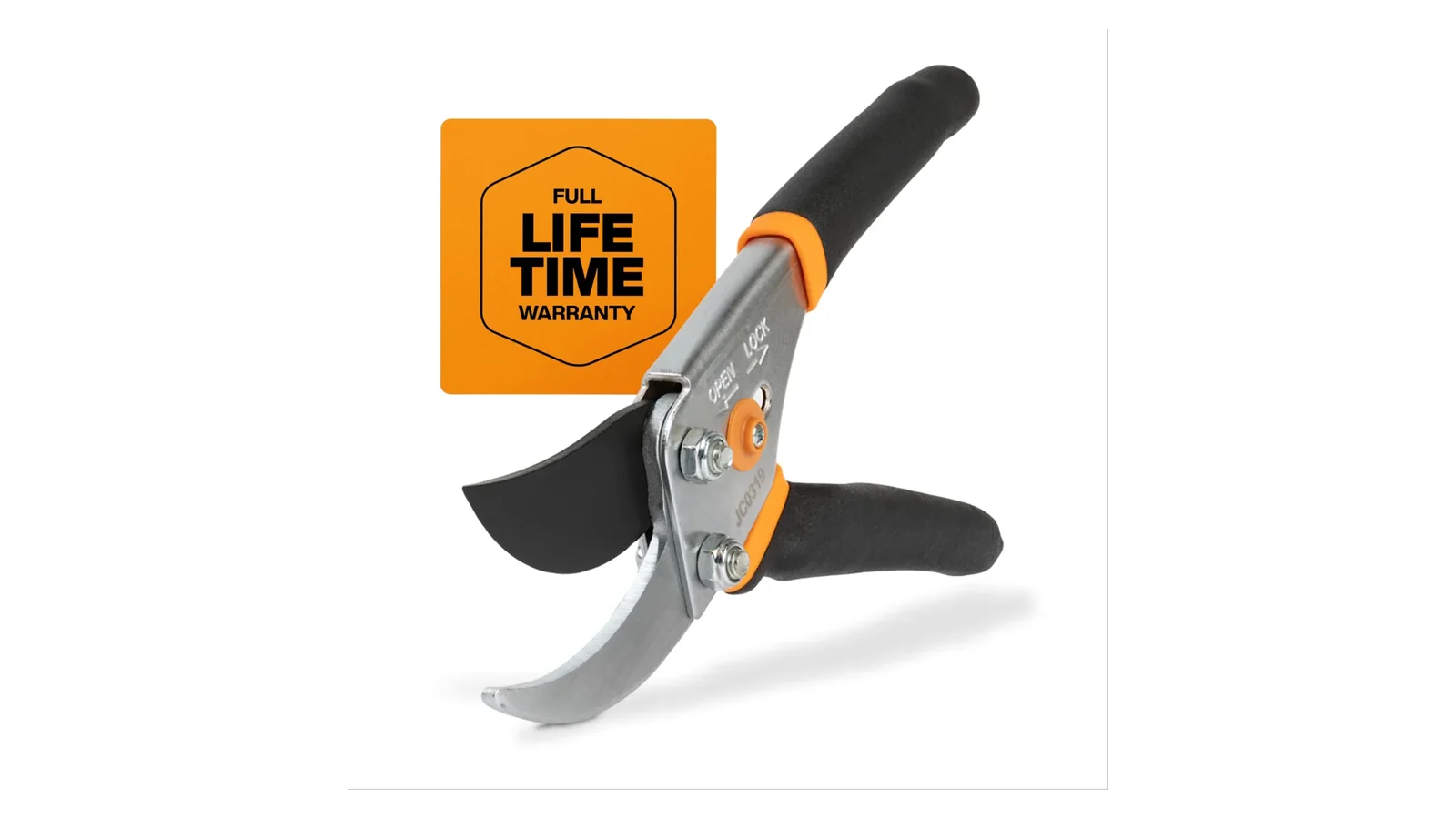
Fiskars Bypass Pruning Shears Review: The $13 Default
Fifty thousand ratings and a $13 price tag. I tracked the Fiskars bypass pruners against the Felco I almost bought, and the math was quietly brutal.
 The Budget Hunter Apr 15
Best Budget DIY & Tool Picks: Seven Sub-$30 Items That Punch Way Above Their Price
Seven sub-$30 DIY picks I kept using: a 40-piece screwdriver kit, DeWalt drill bits, Fiskars pruners, bands, a mouse, paint, and a scale.
The Budget Hunter Apr 18 
DeWalt 14-Piece vs 21-Piece Titanium Drill Bit Sets: Which One Lives in the Drill Bag
The 14-piece rides in the drill bag for daily pilot work. The 21-piece fills the fractional gaps and stays in the shop.
 The Handyman Apr 18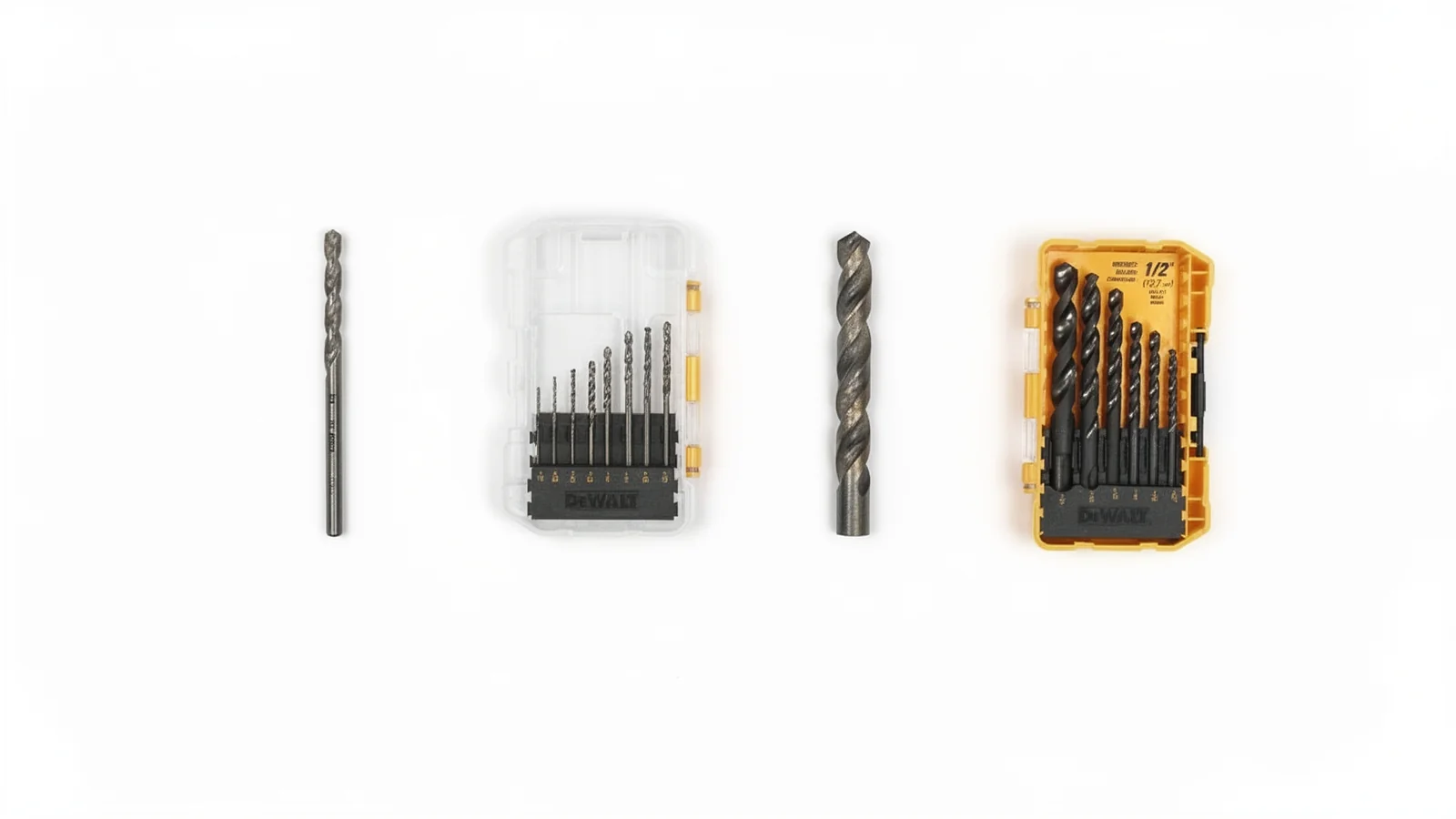
Best Drill Bit Sets for Homeowners: A Handyman's Take
Three sets tested across a garage rack, a vanity swap, and a snapped grade-8 bolt. One for daily drives, one for size coverage, one for the steel that eats HSS.
The Handyman Apr 17 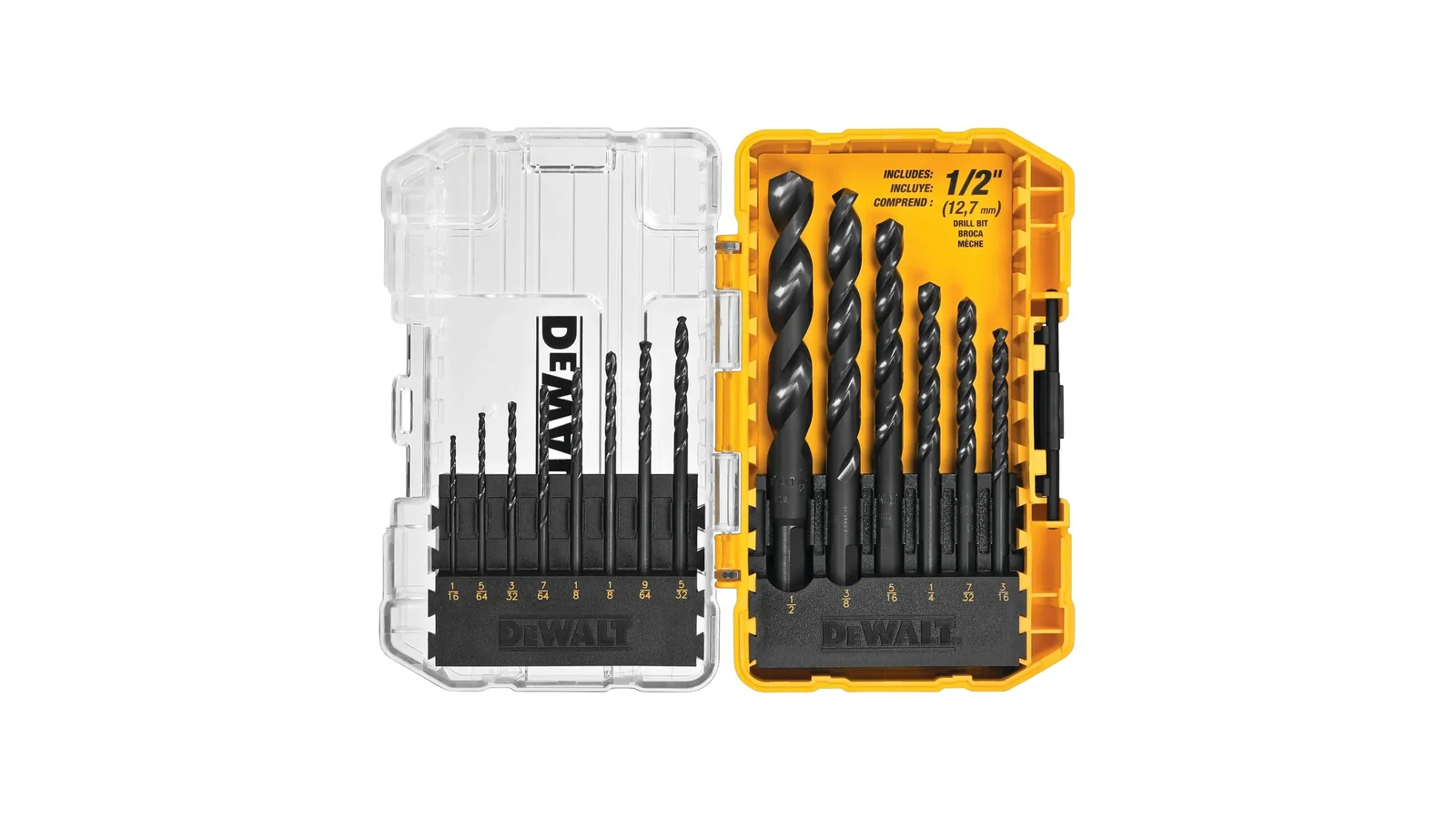
DEWALT 14-Piece Drill Bit Set Under $15: The Budget Hunter's Take
A brand-name DEWALT drill bit set with 135-degree split points, for $14.79. I priced out the competition. Here's what $15 actually buys you.
The Budget Hunter Apr 15 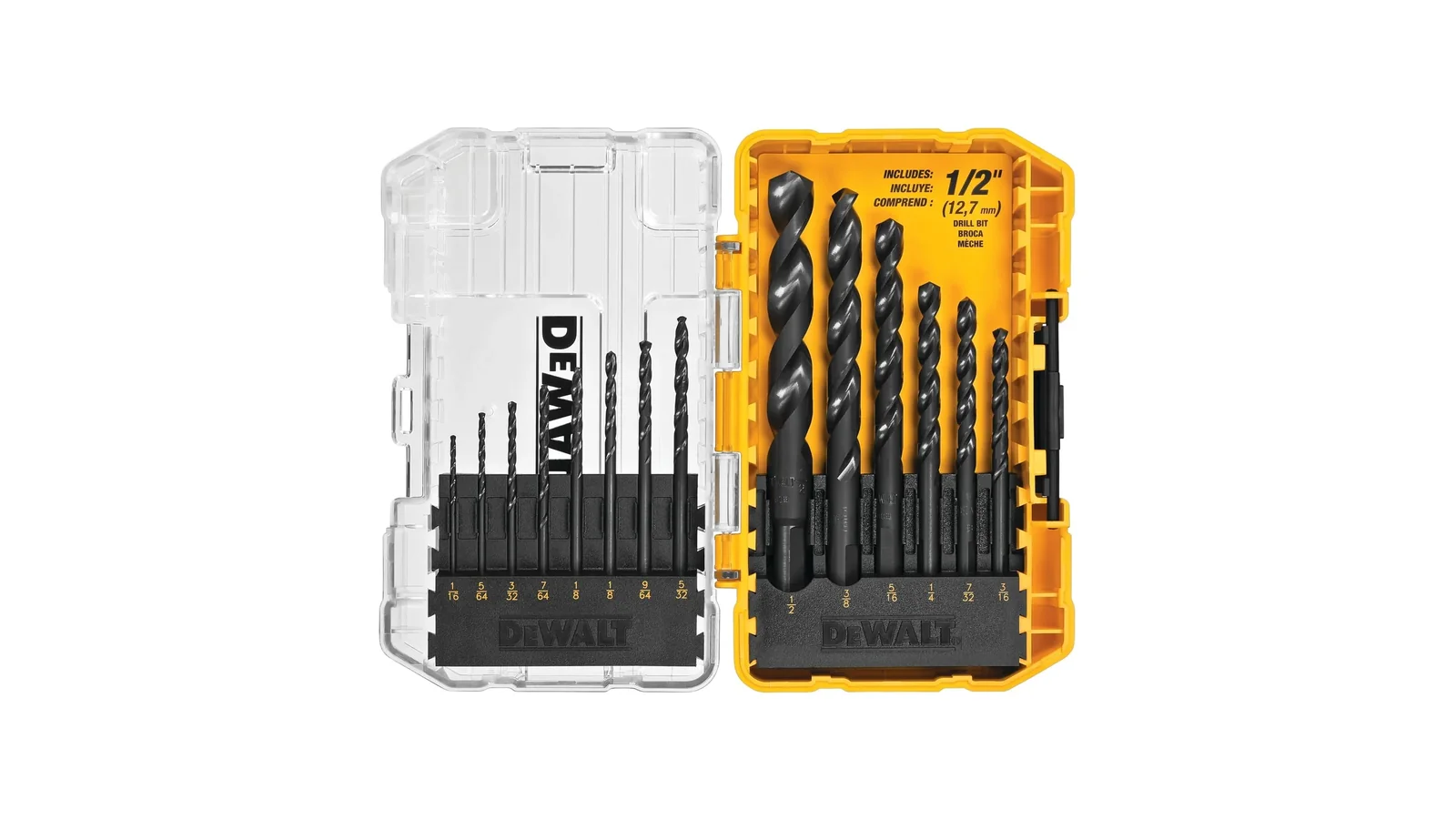
DEWALT DWA1184 14-Piece Drill Bit Set Review: A Handyman's Shop Take
The 1/8-inch bit cut sixty oak pilot holes without walking or burning. That's when I stopped thinking about drill bits.
The Handyman Apr 15