In this review
A pile of shoes near the front door had been quietly eating floor space for months. Four pairs on weekdays, six by Sunday, the kind of slow drift that happens when you tell yourself you will handle it later and never do. I wanted a shelf, not a piece of furniture. Something small enough that guests would not comment on it, and inexpensive enough that I would not mind replacing it later.
The Kitsure Non-Woven Shoe Rack Organizer arrived in a flat box about the size of a laptop. Metal tubes and plastic connectors, with three rectangles of non-woven fabric that slide into grooves. No screws or tools. The printed diagram sat untouched on the floor the whole time. I had the rack standing in the entryway in about twelve minutes. The pile was gone by that evening.
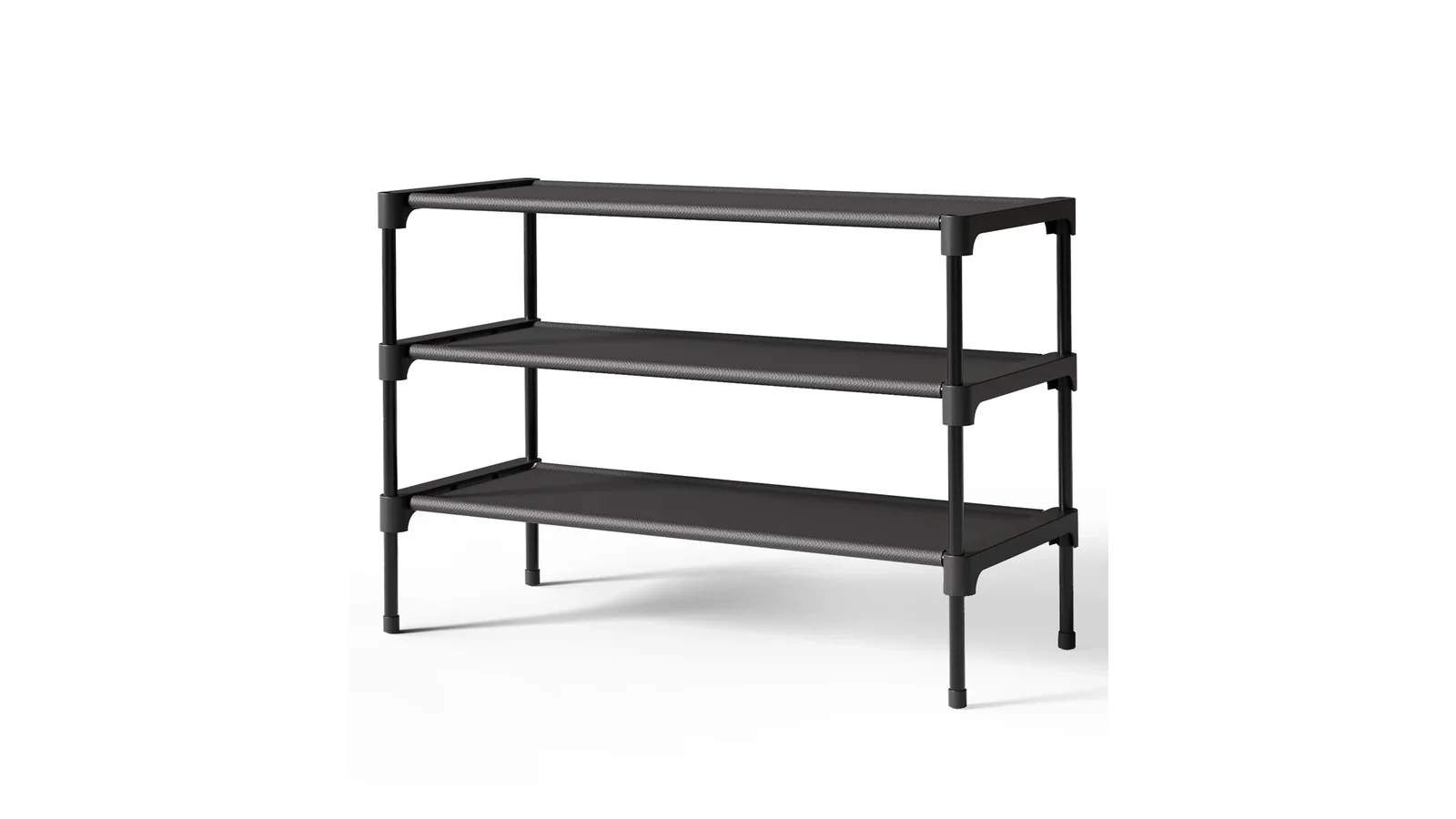
Kitsure Non-Woven Shoe Rack Organizer
A 3-tier stackable shoe rack with a metal tube frame and non-woven fabric shelves. Sits 27.5 inches wide and holds about nine pairs, roughly three per tier. Tool-free assembly in under fifteen minutes.
Rating Breakdown
Rating breakdown
What It Is, And What It Isn’t
The frame is metal. That surprised me for the price. The plastic corner connectors feel less confident, the kind of part that would probably crack if you tried to move the rack fully loaded across a room, but they do their job standing still. The shelves themselves are non-woven polyester stretched across the frame. Think reusable grocery bag, not canvas.
I weighed the whole thing assembled. It comes in around three pounds. Empty, you can pick it up with two fingers. Loaded with nine pairs of everyday shoes, it sat flat and did not sag in the middle after three weeks. That is the test that matters.
If you are picturing a wood-and-leather entryway bench, look elsewhere. This is a shelf that admits it is a shelf. Kitsure is not trying to sell you a mood. The listing photos show the rack loaded with sneakers on a bare floor, and that is what arrives in the box.
Assembly Without The Pain
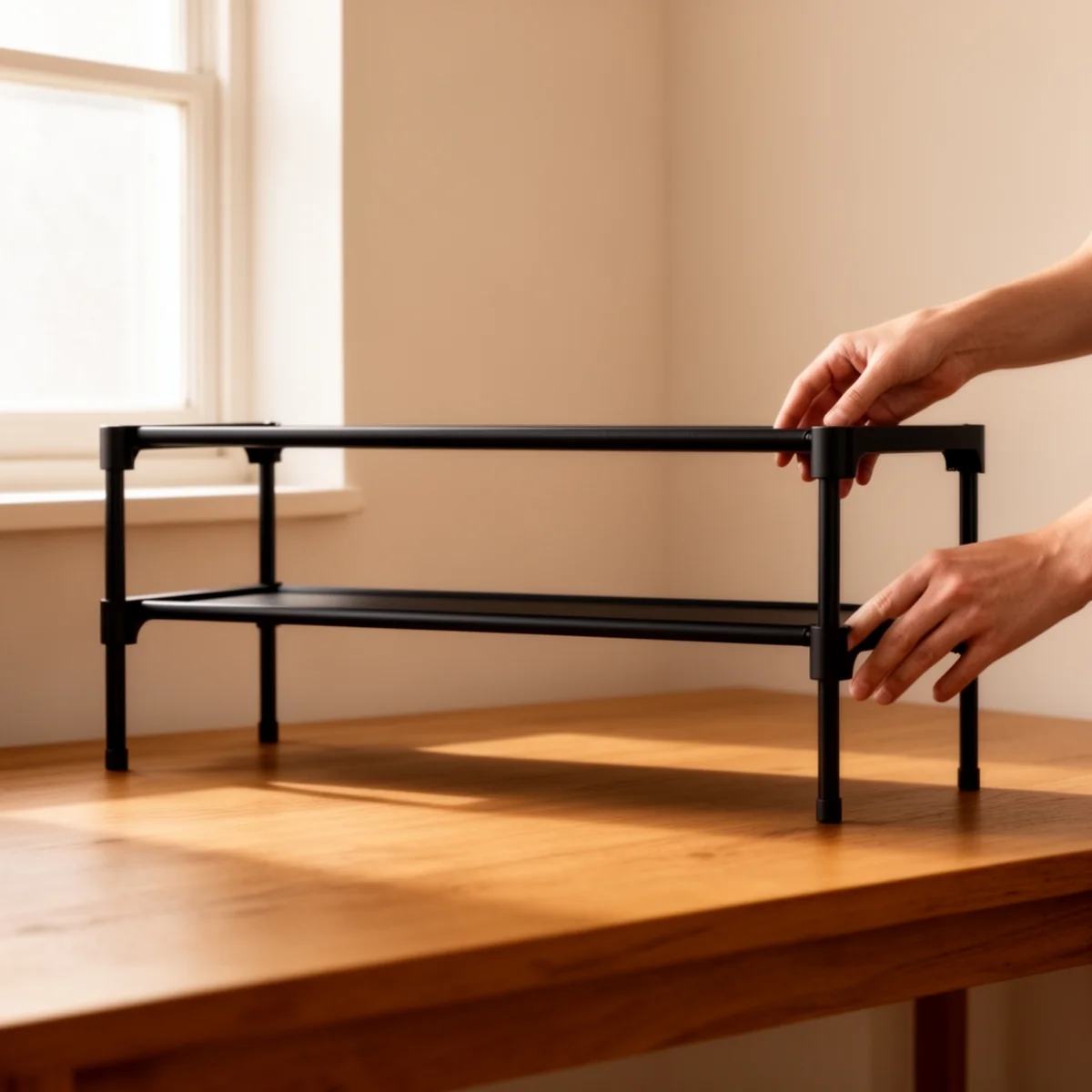
Most cheap organizers save money by pushing the labor onto you. The Kitsure does not. Four tube sections per leg snap together. The plastic connectors pop on by hand. Then the fabric shelves slide into slots along the side rails. I never touched the printed instructions. My partner assembled a second unit a week later as a test and finished in under fifteen minutes without asking a single question.
The one quiet detail I appreciated: the tubes are pre-cut to a length that lets the rack fit a standard closet or a low entryway. At 27 inches tall, it clears coats and hangs below the rod. The footprint is narrower than a shoebox turned sideways, which means it does not swing into the door when it opens inward.
What Three Weeks Revealed
After three weeks I stopped noticing it, which is the highest compliment a product like this gets from me. The fabric shelves wipe clean with a damp cloth when sand or salt gets tracked in from the street. Nothing has sagged. Nothing has come loose.
The real limits are about what the shelves can hold, not whether they will last. Heels do not stand upright on fabric. The spike sinks into the weave, the shoe leans sideways, and unless you let the heel hang off the back of the shelf, the pair looks a little seasick. Tall work boots are too tall for the shelf spacing and tip forward. Men’s wide-width sneakers in size 12 fit, but you get two per tier instead of three.
For flats and everyday sneakers, the rack handles them fine. Kids’ shoes and slippers do well too. Rain boots fit if you stand them upright against the rear rail. Better than fine at this price. For a collection of dress heels or hiking boots, buy something with rigid shelves.
The Stackable Thing
The marketing makes a small deal about stacking two racks to build a six-tier tower. I tried it. It works, but I would not trust a stacked pair with anything heavy on the top shelf. The plastic connectors are doing more work than they look like they should, and the higher you go, the more any wobble shows up as a lean.
If you need more than nine pairs of capacity, I would buy two racks and put them side by side instead of on top of each other. Side-by-side is steadier, easier to load, and the lower shelves stay reachable without crouching under a second tier.
Who This Rack Is For
This is a starter organizer. The kind of thing that solves a small problem without asking for a permanent space in your life. It earns its keep in a college dorm, a guest closet, or a rental where you do not want to commit to a real piece of furniture. It also works well as a holding pattern for a kid whose shoe size is changing every four months. For those uses, ten dollars buys more relief than it has any business buying.
It is not the shoe rack you pass down to your kids. It is the one that lives in the entryway for two or three years and then goes to the curb without regret. You spend ten dollars, you buy back your floor, and you move on with the problem solved.
Verdict
If the pile by your door is mostly flats and everyday sneakers, this rack will absorb it in under fifteen minutes of assembly and about ten dollars. If the pile is heels or tall work boots, pay more and get rigid shelves. The Kitsure knows what it is. So should you before you buy.
If you’re organizing more than just shoes, explore our full home organization coverage for storage solutions that earn their space.
Also featured in
Related reviews

Best Minimalist Home Upgrades Under $100: Six Items That Earn Their Square Footage
Six tested upgrades under $100 that each retire something bigger. A dresser, a pile by the door, a TV stand. Square footage, returned.
 The Minimalist Apr 18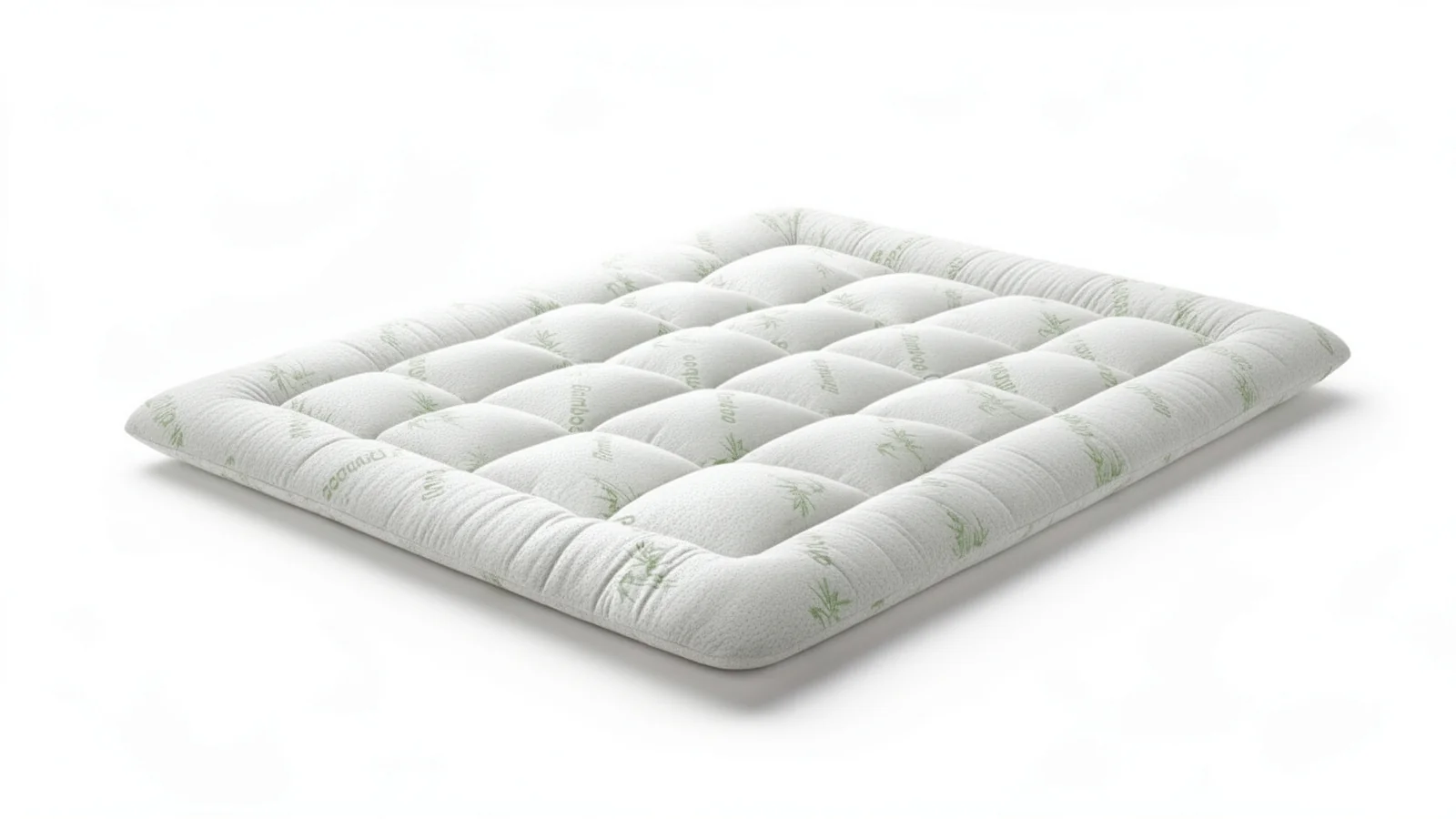
Niagara Bamboo Mattress Topper Queen Review
One soft layer on a too-firm queen mattress for about fifty dollars. Here is what it does, what it does not, and who should skip it.
The Minimalist Apr 17 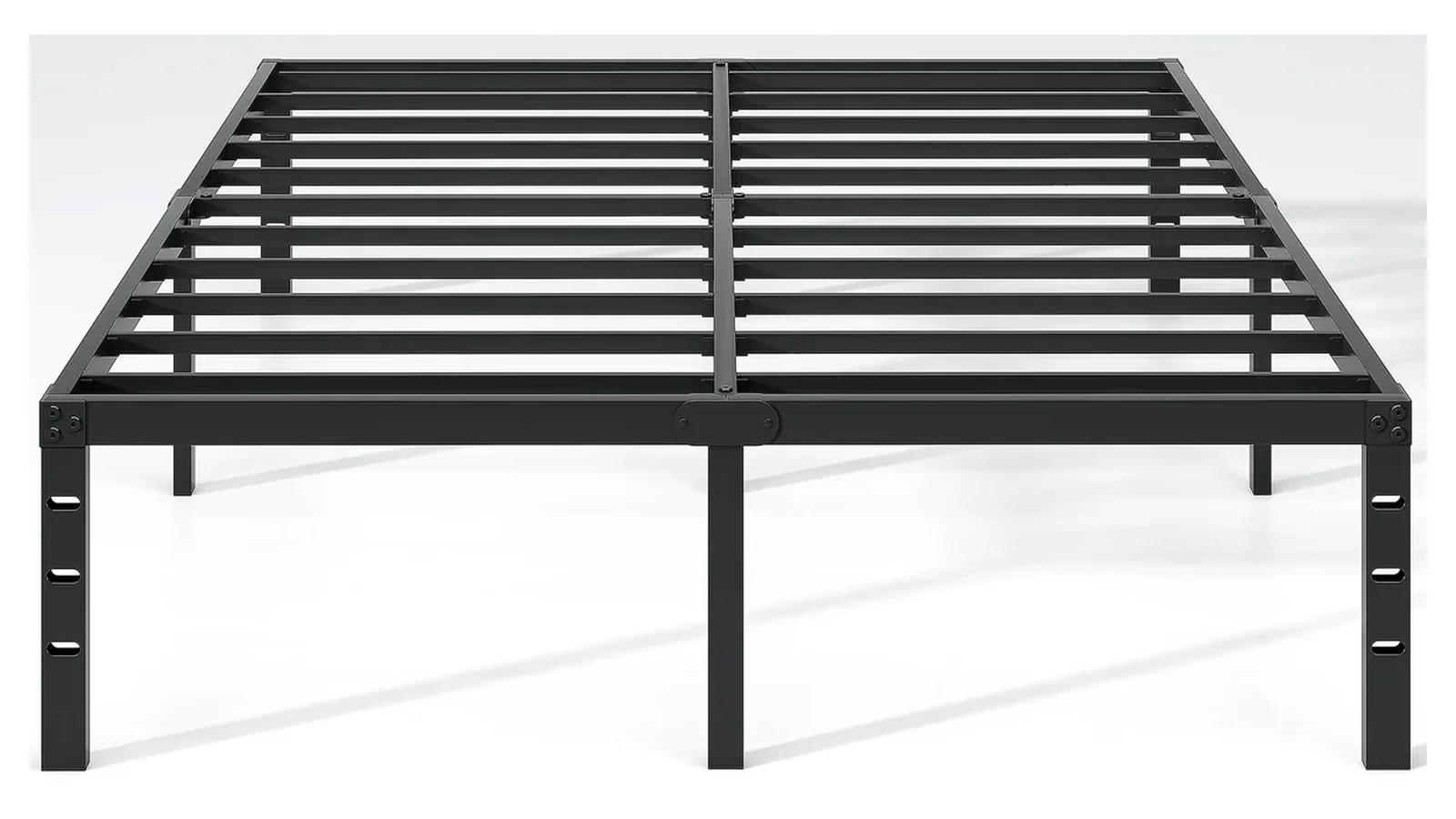
JETO Metal Bed Frame Queen Review: The $120 Platform That Replaced a Dresser
A black steel queen frame with 14 inches of clearance, no box spring, and room under the bed for the clothes that used to fill a bureau.
The Minimalist Apr 17 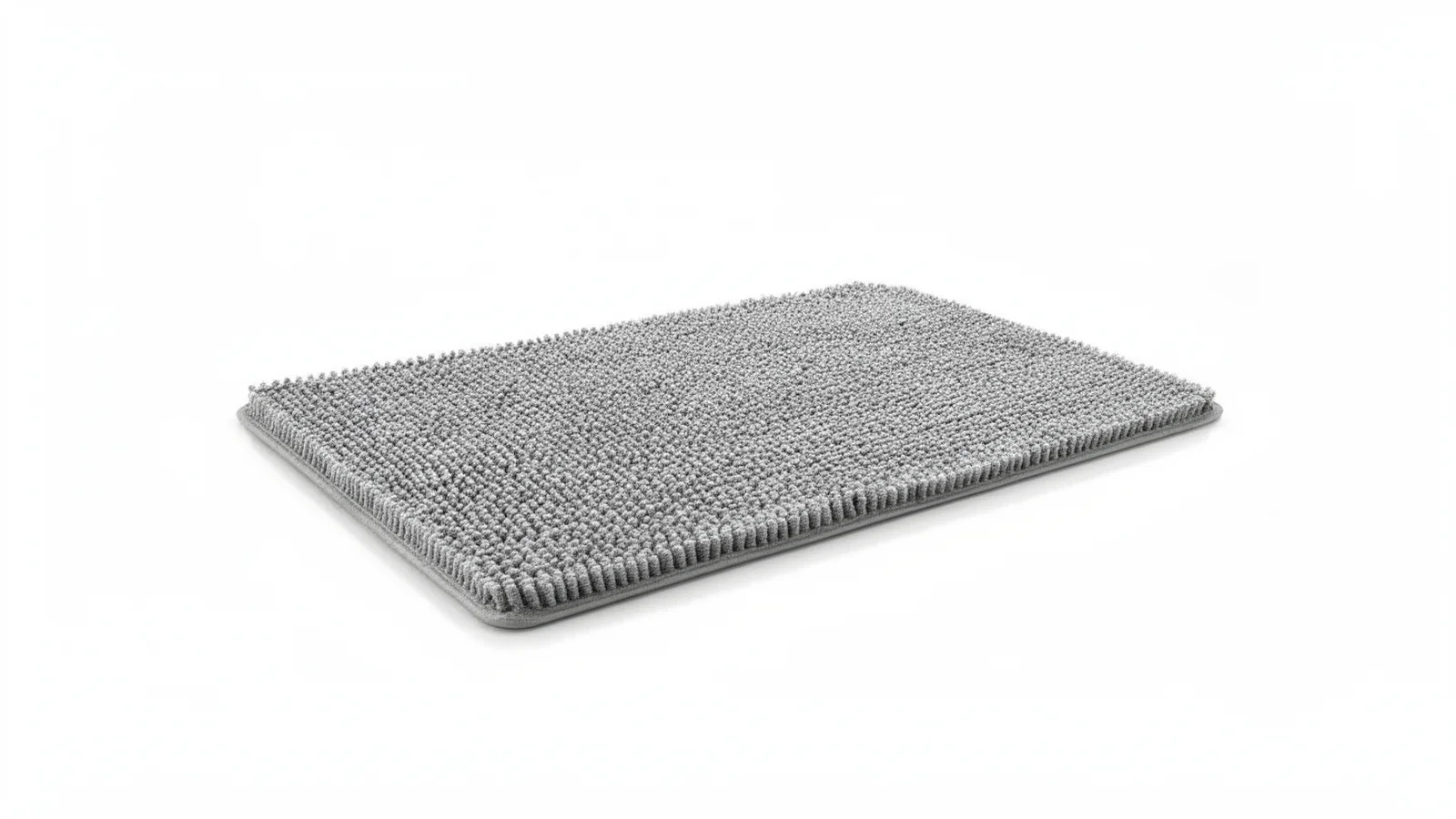
OLANLY Dog Door Mat Review: Muddy Paws, Honest Verdict
A chenille mat that stops muddy paw trails at the door. Eight months in, it still grips tile and washes clean—backing degradation is the only real weakness.
The Minimalist Apr 17 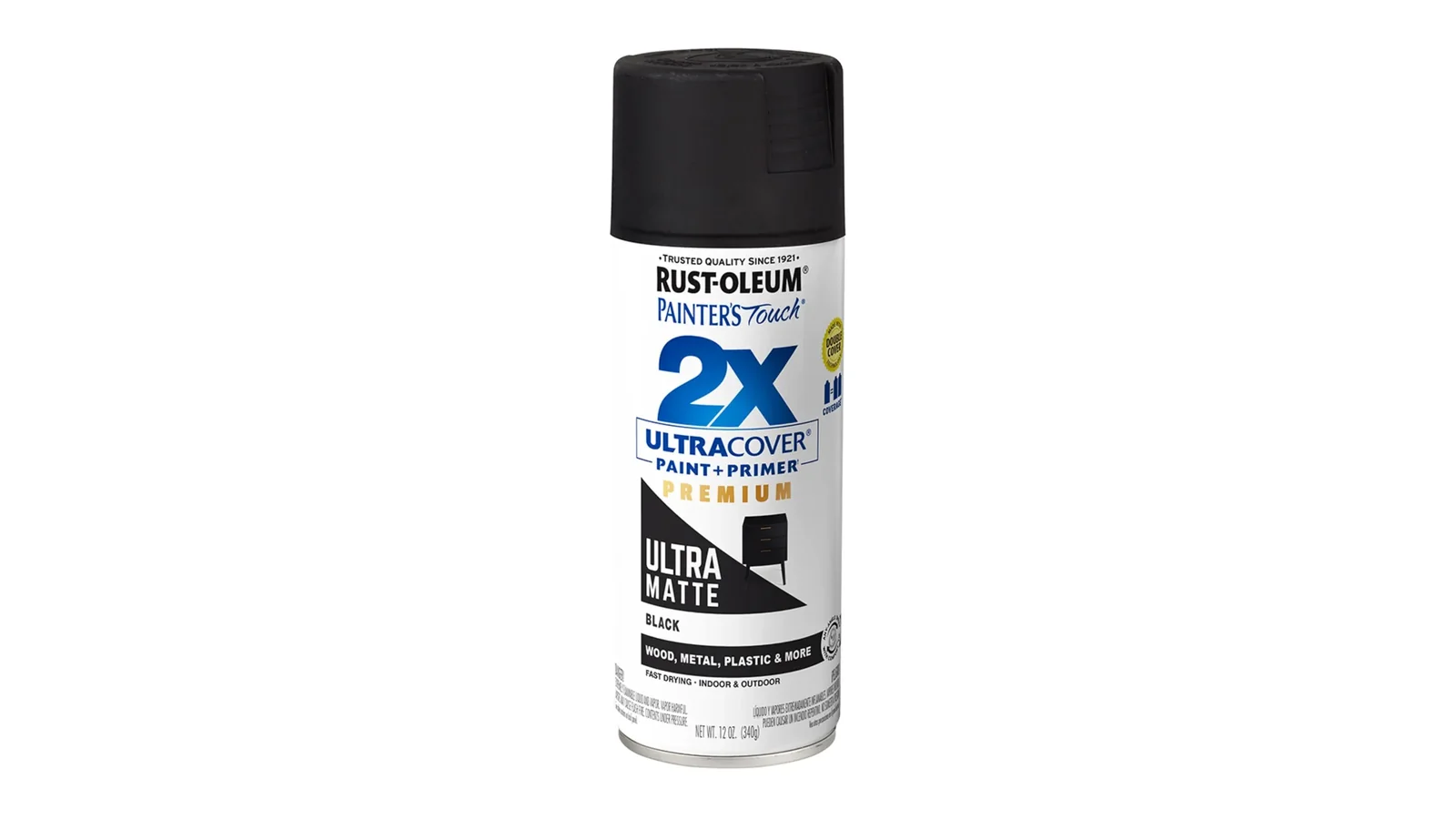
Rust-Oleum Matte Black Spray Paint Review: The $9.99 Can That Runs the Table
$9.99 can of Rust-Oleum 2X Ultra Cover in Ultra Matte Black covered a yard-sale planter, thrift-store lamp, and weathered mailbox—still solid after seven weeks.
 The Budget Hunter Apr 17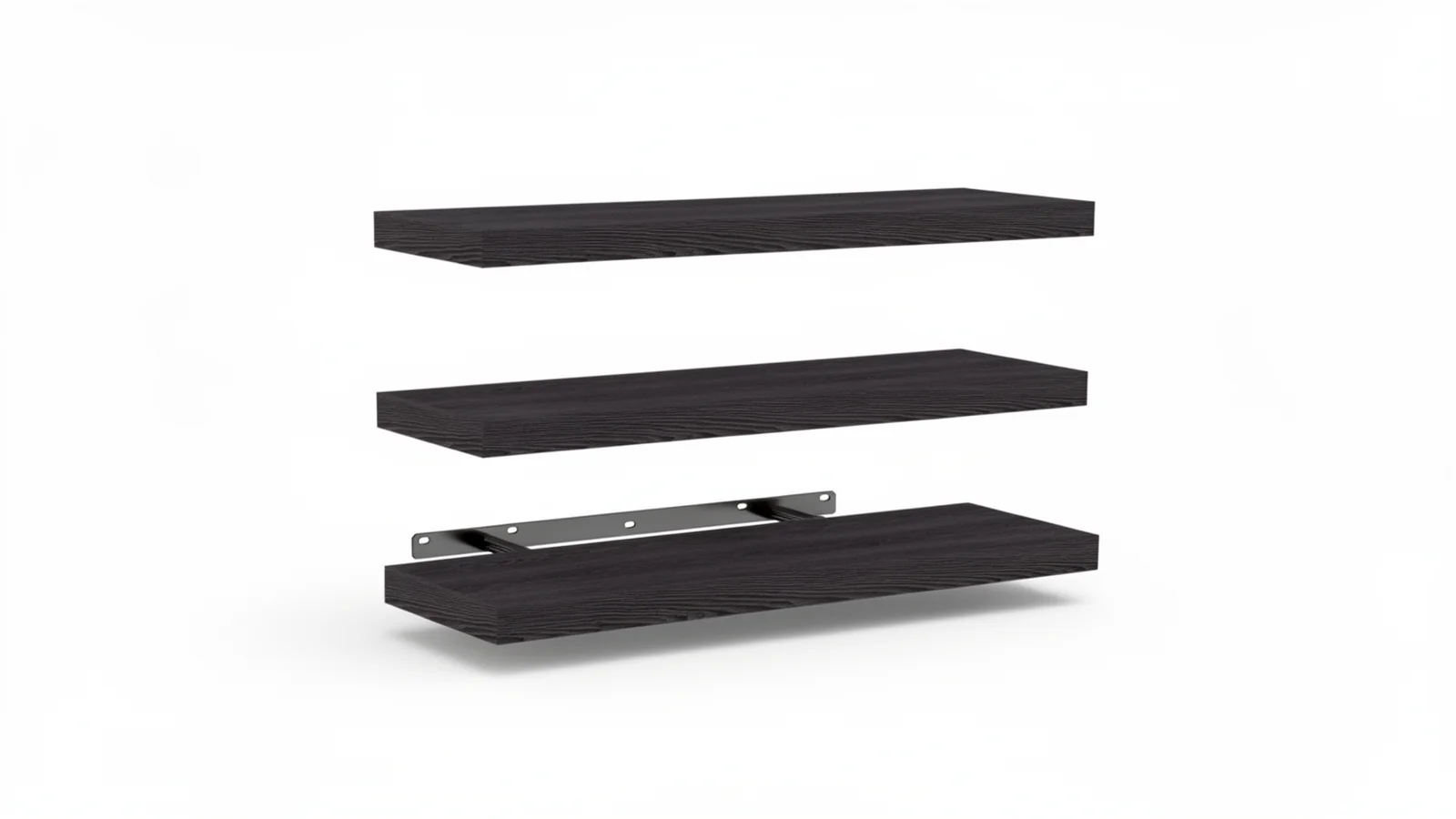
BAYKA Floating Shelves Review: Honest Wood and Bracket Storage
Three wall shelves for under forty dollars. MDF, not walnut. Here's why that's fine, and when it isn't.
The Minimalist Apr 15